
We’ve all grown up hearing the magic rule: walk 10,000 steps a day. It sounds simple, but with real life in the way, even the most disciplined walkers struggle to hit that number daily. That’s why Japanese Interval Walking has become such a refreshing shift, promising smarter results in just 30 minutes.

In 2007, researchers at Shinshu University found that alternating fast and slow walking could improve aerobic capacity 1far better than continuous walking. Even fitness coach Eugene Teo has spoken about how interval walking boosts health markers more effectively than steady-paced steps.
As someone who has spent three decades in storytelling, wellness communication, and behavioural coaching, I’ve seen how people want routines that fit into real life. Not trends. Not strain. Just something form Japanese way of life that works.
This article explores the science-backed method that may outperform the 10,000-step culture and why this simple structured walk could be your most realistic wellness upgrade this year.
If you’ve been looking for a smarter way to walk, read on.
Also Read:
- Mindful Mornings: Discover How Waking Up Early Cultivates Self Mastery
- The Modern Fauji Wife: Entrepreneurs of Grace and Grit
What Is Japanese Interval Walking (IWT)?
Japanese Interval Walking is a structured way of walking that focuses on alternating speed rather than counting steps. It works because short bursts of effort followed by gentle recovery create a stronger cardiovascular 2and metabolic response than steady walking, even in the same amount of time.
How the 3–3 Pattern Works?
The 3–3 pattern is built on short bursts of effort followed by gentle recovery, allowing your body to work harder without feeling overwhelmed. These alternating speeds help improve endurance, metabolism, and heart health more efficiently than steady walking.

What the routine looks like:
- Walk briskly for 3 minutes at about 70–85 percent effort
- Slow down for 3 minutes at around 40–50 percent effort
- Repeat this 6-minute cycle 5 times
- Total duration: 30 minutes
This structure is easy to follow outdoors, at home, or on a treadmill. It suits beginners, older adults, and anyone who wants the benefits of high-intensity training without the joint stress of running or impact-based workouts.
Takeaway: The 3–3 pattern makes every minute purposeful. By alternating fast and slow intervals, you get a stronger cardiovascular response, better muscle engagement, and more noticeable fitness gains in just half an hour.
The Origin: Where the Method Comes From
Interval Walking Training was developed in the early 2000s by Dr Hiroshi Nose and his research team at Shinshu University in Japan. Their goal was to create a time-efficient, low-impact routine that could meaningfully improve fitness in middle-aged and older adults who struggled with traditional workouts.

After studying thousands of participants over several years, the team discovered that alternating three minutes of brisk walking with three minutes of slow recovery produced far greater improvements in aerobic capacity, leg strength, blood pressure, and overall endurance than continuous walking at a steady pace. The method was designed to be simple, adaptable, and backed by measurable physiological changes. Today, it remains one of the most well-researched walking programs globally, supported by long-term evidence and practical real-world results.
Why IWT Matters Today
Japanese Interval Walking3 matters because modern lifestyles make long workouts hard to sustain. Many people want fitness that fits into real routines, not routines that demand extra time, equipment, or motivation. IWT meets this need by delivering strong results through short, structured intervals that anyone can follow.
Why it works for today’s lifestyle:
- Fits easily into a 30-minute window, even on busy days
- Works for beginners, seniors, and people returning to exercise
- Low impact and joint-friendly compared to running or HIIT
- Requires no equipment, gym membership, or special space
- Offers quick improvements in stamina, heart health, and metabolism
- Highly adaptable for travel, work schedules, and home routines
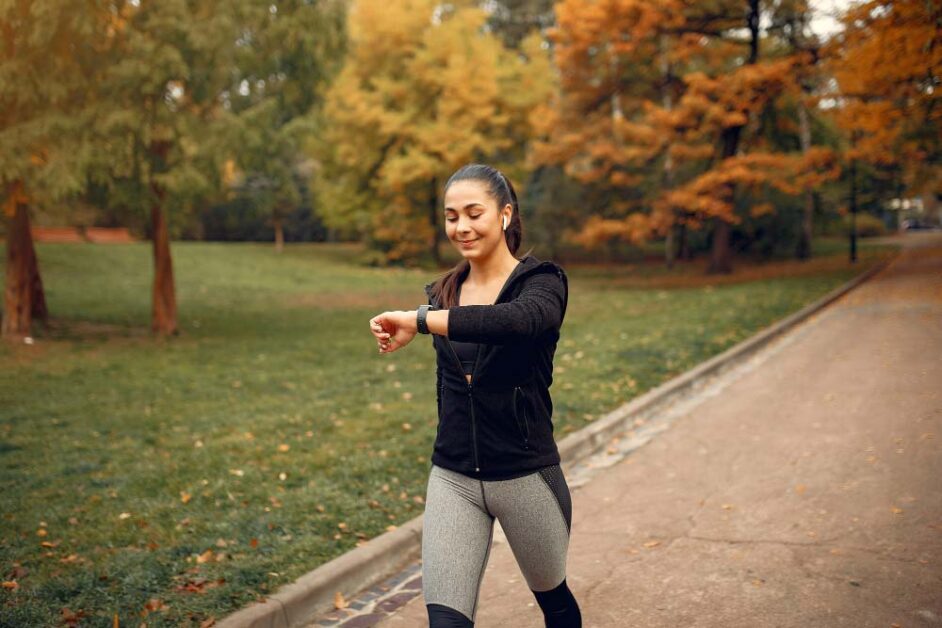
“Interval walking is one of the simplest ways to support weight loss and better metabolic health. Short bursts of effort help your body burn more efficiently, even long after the walk is over.” — Leema Mahajan, Nutritionist & Weight Loss Specialist
IWT feels practical because it respects how people live. Instead of pushing extreme effort, it provides a rhythm that is achievable daily. This blend of simplicity, flexibility, and noticeable progress makes it one of the most relevant and sustainable fitness methods for today’s fast-paced world.
The Simple 3×3 Routine You Can Start Today
The 3×3 routine turns a regular walk into an efficient workout by using short bursts of intensity. It helps your heart, muscles, and metabolism work harder in less time, making it ideal for busy schedules and people at any fitness level.
A short warm-up of easy walking prepares your body before you begin. You then move into three minutes of brisk walking followed by three minutes of relaxed walking. This pattern gently raises and lowers your heart rate, creating a balanced rhythm that builds endurance without overwhelming your joints. A brief cool-down at the end helps your body settle comfortably.

How the routine flows
This routine follows a simple structure that’s easy to remember and even easier to apply, no matter where you choose to walk.
- Warm up with 2–3 minutes of easy walking
- Walk briskly for 3 minutes
- Slow down for 3 minutes
- Repeat this cycle 5 times
- Finish with a short cool-down
What you need to begin
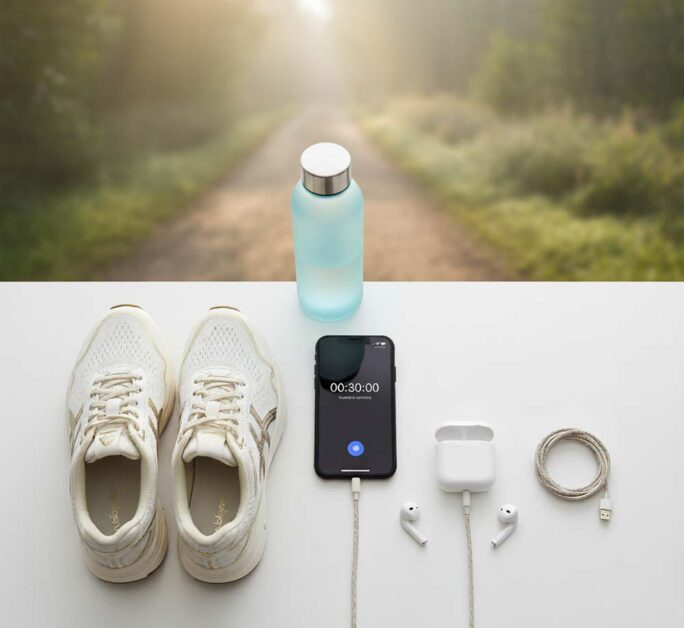
You only need a few basics to get started with the 3×3 routine. These simple tools make the session smoother, safer, and easier to follow anywhere.
- Comfortable walking shoes
- A timer or interval app
- A smartwatch or fitness band (optional)
- A safe, flat walking route
What makes this routine powerful is the controlled intensity. These shifts create stronger aerobic improvements, better calorie burn, and deeper conditioning than walking at one pace for the same time.
Takeaway: The 3×3 routine works because it blends effort and recovery in a simple rhythm. With only a timer and 30 minutes, it helps you walk smarter, build stamina faster, and achieve more noticeable results than steady walking alone.
Key Health Benefits Backed by Research
Japanese Interval Walking works because the changing speed forces your heart, muscles, and metabolism to adapt more deeply than steady walking. These alternating intervals create faster improvements across cardiovascular fitness, strength, metabolism, and overall well-being.
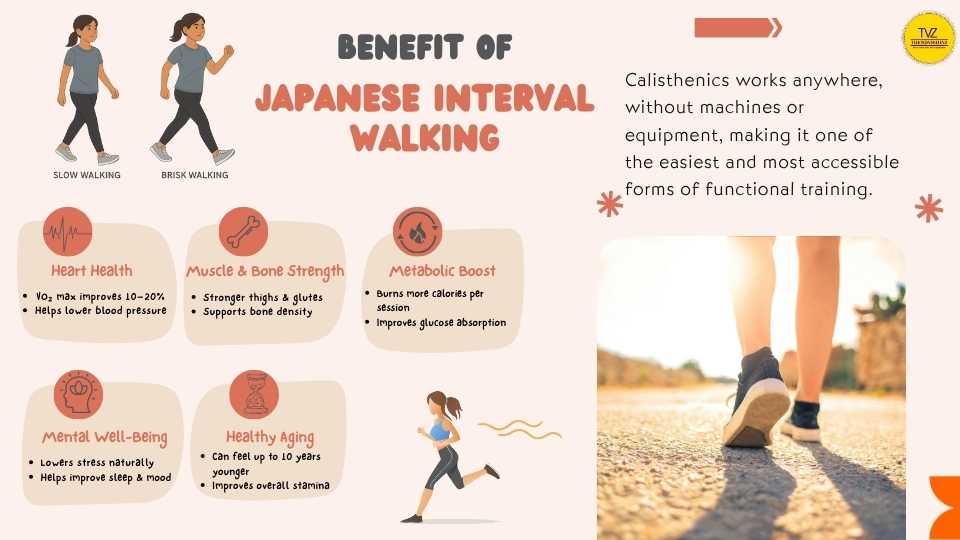
1️⃣ Stronger Heart and Better Oxygen Use
Interval walking pushes the heart to work harder during brisk phases and recover during slow ones. This rise-and-drop pattern improves VO2 max more effectively than continuous walking and helps lower systolic blood pressure by 8–10 mm Hg in long-term studies.
2️⃣Improved Muscle Strength and Joint Support
The brisk intervals activate more muscle fibers in the thighs, glutes, and calves compared to steady-paced walking. Research from Shinshu University shows notable gains in leg strength and better stability, which supports balance, mobility, and long-term joint protection.
3️⃣ Better Bone Density Over Time
Regular intervals place slightly higher mechanical load on the legs than strolling, helping stimulate bone growth. Studies on older adults show improvements in lower-body bone density, making it a valuable routine for preventing age-related bone loss.
4️⃣ Stronger Metabolic Health4 and Fat Burning
Because interval walking challenges multiple energy pathways, it burns more calories during and after the session. It also improves cholesterol balance and helps muscles absorb glucose more efficiently, supporting better blood sugar control and reduced fatigue.
“This walking routine is HIIT for everyone, backed by solid science. It boosts mitochondria, VO2 max, muscle strength, and insulin response — making it one of the easiest ways to slow biological aging.” — Dr Amy Shah, MD, Nutrition Expert
5️⃣ Positive Effects on Mood and Healthy Aging
IWT encourages rhythmic breathing, improves circulation, and reduces stress hormones. Participants in long-term studies report better mood, improved sleep, and a stronger sense of vitality. Increased aerobic power and muscle strength can make people feel up to ten years younger.
Takeaway: Japanese Interval Walking improves heart health, muscle strength, bone density, metabolism, and mental well-being more effectively than steady walking. Its interval structure delivers deeper health gains in just 30 minutes a day.

Why IWT Has a High Long-Term Success Rate
Japanese Interval Walking remains successful over time because it matches how people actually live. It’s simple, adaptable, joint-friendly, and sustainable. These qualities make it far easier to maintain.
Simplicity Makes It Easy to Begin
Many people abandon workouts because they feel complicated or require too much planning. IWT removes these barriers. IWT’s simplicity helps beginners feel confident from the first session. The routine does not demand learning techniques. This makes the entry point low and the chances of continuing much higher.
Flexibility Helps It Fit Into Real Life
Work, family, and unpredictable schedules often interrupt fitness routines. IWT stands out because it requires only 30 minutes and can be done anywhere. The fast-slow rhythm
allows people to maintain consistency even on the busiest days. It adapts to lifestyle changes, and grows with you instead of fighting against your schedule.
Low Impact Makes It Comfortable and Safe
Many high-intensity workouts cause discomfort or strain, which eventually pushes people away. IWT provides intensity without harsh impact. The alternating rhythm challenges the heart and muscles while staying gentle on knees, ankles, and hips, making it suitable for beginners and older adults.
“I’ve always said movement is medicine — and this proves you can transform your body and mind simply by walking smarter, not harder.” — Julia Bradbury, Walking Ambassador
High Adherence Comes From Feeling Manageable
The routines people stick with are the ones that feel realistic. IWT offers progress without exhaustion, which builds confidence and consistency. It delivers noticeable improvements. When a routine feels achievable every day, it becomes a lifestyle instead of a task.
Takeaway: IWT succeeds long-term because it is simple, flexible, low impact, and easy to maintain. Its structure makes consistency feel natural, allowing people to stay active and improve their health without overwhelming effort.
How to Start Your Own IWT Routine
Starting Japanese Interval Walking is simple and beginner-friendly. The routine follows a clear structure that guides your body through effort and recovery without feeling overwhelming. With a planned rhythm and a few basic habits, you can begin confidently and stay consistent.
Step-by-Step Guide
- Warm-up: Begin with 5–10 minutes of slow, comfortable walking to prepare your muscles, loosen your joints, and gradually increase blood flow.
- Fast Walk Interval (3 minutes): Increase your pace to a brisk walk at about 70 percent effort. You should be breathing deeply but still able to speak short sentences. Use your arms and maintain a steady stride.
- Slow Walk Interval (3 minutes): Reduce your pace to an easy, relaxed walk at around 40 percent effort. This is your recovery phase, but keep moving to maintain circulation and rhythm.
- Repeat: Continue alternating the 3-minute fast and 3-minute slow intervals five times. This creates a complete 30-minute session of interval training.
- Cool-down: End with a few minutes of slow walking and gentle stretching to bring your heart rate down and support muscle recovery.
“Just 30 minutes of interval walking can outperform 10,000 steps because it helps your muscles absorb glucose without extra insulin, giving you faster, steadier blood sugar control.” — Dr Shivani Nesargi, Diabetes Remission Expert
Simple Tips to Stay Consistent
Stay hydrated, wear comfortable shoes, and track your sessions so you can see progress. On low-energy days, complete the routine at an easier pace instead of skipping altogether. Consistency is what drives long-term improvement.
Takeaway: With a clear structure and beginner-friendly rhythm, IWT makes it easy to start and even easier to maintain. A simple 30-minute session a few times a week can significantly improve stamina, energy, and metabolic health.
IWT vs Other Workouts (Including 10,000 Steps)
Japanese Interval Walking stands out because it delivers stronger results in less time. While other workouts5 require long durations, high impact, or equipment, IWT uses structured intensity to maximise fitness gains efficiently.

Comparison at a Glance
| Workout Type | Time Required | Intensity Level | Joint Impact | Equipment Needed | Effectiveness |
| Japanese Interval Walking (IWT) | 30 minutes | Moderate–High (interval-based) | Very Low | None | Strong improvements in VO2 max, stamina, glucose control |
| Continuous Walking | 45–90 minutes | Low | Very Low | None | Slow progress; limited intensity |
| 10,000 Steps | 1–2 hours | Low | Very Low | None | Often insufficient intensity for aerobic gains |
| HIIT | 15–25 minutes | Very High | Medium–High | None | Excellent results but higher injury risk |
| Running/Cycling | 30–60 minutes | Moderate–High | Medium–High | Shoes/ Bike | High calorie burn but harder on joints |
Continuous Walking
Continuous walking is accessible but offers limited cardiovascular challenge. Its steady pace means you need longer sessions to gain noticeable improvements in stamina or endurance. For busy schedules, this often becomes difficult to sustain consistently.
10,000 Steps a Day
Reaching 10,000 steps usually takes one to two hours. For most working adults, this is unrealistic on a daily basis. The low-intensity nature also means it does not significantly improve aerobic capacity or metabolic efficiency.

High-Intensity Interval Training (HIIT)
HIIT delivers excellent fat-burning and fitness benefits but includes explosive movements that increase strain on joints. Many people find HIIT too demanding to maintain long term. IWT creates a similar intensity curve without jumps or sprints.
Running or Cycling
These workouts burn more calories per minute but require stronger joints, proper form, and suitable weather or equipment. For many, sustainability becomes the challenge. IWT provides an easier, low-impact option with consistent aerobic gains.
Takeaway: IWT offers maximum return on minimum time, matching many benefits of high-impact or time-heavy workouts while remaining joint-friendly, equipment-free, and achievable within a realistic 30-minute routine.
Also Read:
- Morning Sickness Remedies: 10 Proven Tips for Expectant Moms to Relieve Pregnancy Nausea
- Boost Your Morning Energy: 16 Coffee Alternatives That Pack a Punch
- Everyday Skincare for Urban Living and Busy Lifestyles
FAQs: Japanese Interval Walking
What’s the Japanese 3-3-3 walking method?
The 3-3-3 method is a structured walking routine where you warm up for three minutes, walk fast for three, and slow down for three. This cycle repeats for 30 minutes, helping improve stamina, heart health, and metabolism more effectively than steady walking.
Does the Japanese walking method really work?
Yes, long-term studies from Shinshu University show significant improvements in VO2 max, leg strength, blood pressure, and glucose control. The alternating pace challenges the heart and muscles more effectively, making it a scientifically supported, time-efficient alternative to standard walking routines.
Is interval walking better than 10,000 steps?
For most people, yes. Interval walking delivers stronger aerobic and metabolic benefits in just 30 minutes, while 10,000 steps often lack enough intensity. Research shows IWT improves oxygen use, endurance, and glucose metabolism more effectively than long, low-intensity step goals.
Final Takeaway – Small Steps, Big Changes
Japanese Interval Walking proves that meaningful fitness doesn’t require long hours, equipment, or intense strain. A simple 30-minute routine built on alternating speed can improve heart health, stamina, metabolism, and overall energy in a way steady walking often cannot.
Commit to the 3×3 rhythm for four to six weeks and notice how your breathing, strength, and daily comfort begin to shift. Small, consistent effort is what creates lasting change. Fitness doesn’t need to be complicated—it only needs to be smart, structured, and something you can return to day after day.
If you enjoy insights like this, explore more wellness, lifestyle, and science-backed guides on TrendVisionz — your space for smarter, practical living.
Additional Resources:
- Morikawa M, Okazaki K, Masuki S, Kamijo Y, Yamazaki T, Gen-no H, Nose H. Physical fitness and indices of lifestyle-related diseases before and after interval walking training in middle-aged and older males and females. Br J Sports Med. 2011 Mar;45(3):216-24. doi: 10.1136/bjsm.2009.064816. Epub 2009 Oct 21. PMID: 19846423. ↩︎
- Lee LL, Mulvaney CA, Wong YKY, Chan ES, Watson MC, Lin HH. Walking for hypertension. Cochrane Database Syst Rev. 2021 Feb 24;2(2):CD008823. doi: 10.1002/14651858.CD008823.pub2. PMID: 33630309; PMCID: PMC8128358. ↩︎
- Li X, Seo J, Bae J, et al. (August 29, 2024) Effects of High-Intensity Interval Walking on Cognitive and Physical Functions in Older Adults: A Randomized Pilot Study. Cureus 16(8): e68165. doi:10.7759/cureus.68165 ↩︎
- Nemoto K, Gen-no H, Masuki S, Okazaki K, Nose H. Effects of high-intensity interval walking training on physical fitness and blood pressure in middle-aged and older people. Mayo Clin Proc. 2007 Jul;82(7):803-11. doi: 10.4065/82.7.803. PMID: 17605959. ↩︎
- Choi, Myung Dong; Esho, Andary; Maron, Christian. Differences In Energy Expenditure During Constant Speed And Interval Walking In Healthy Sedentary Adults: 2587 Board #251 May 31 11:00 AM – 12:30 PM. Medicine & Science in Sports & Exercise 51(6S):p 720, June 2019. | DOI: 10.1249/01.mss.0000562648.77941.ea ↩︎
Stay Connected with Me:
Anuj Mahajan is a Mass Communication Specialist, ICF-ACC Certified Coach, Corporate Trainer, Motivational Speaker, NLP Life Coach, Filmmaker, and Author. With 30+ years in media, marketing, and leadership coaching, he unites storytelling, mindfulness, and digital transformation.
- Explore my work: Nuteq Entertainment | TrendVisionz | Author Profile
- Read our newsletters: Transforming Lives | BizTech Chronicle | Nuteq Newsline
- Guest writer: BizCatalyst360 | Praja Today
- Books: Go Mindfulness: Practices for Professionals Coached
- Join the community: LinkedIn Group – Digital Marketing & Content Creation World
- Connect with me: LinkedIn | Twitter | #StoryforBusiness
- Share your review: Leave your review on Google — your feedback helps us grow.
- Listen on Spotify: Leadership Podcast | Guided NLP (7 Episodes) | Daily Motivation – 21 Episodes
Believe. Practice. Perform. Let’s create impact together.
✍️ A Note from the Editor
Independent storytelling thrives with you. Contribute $15/month via PayPal or email us at anujmahajan@trendvisionz.com. [Guest write for us — Free or Paid.]


1 comment
I truly appreciate your technique of writing a blog. I added it to my bookmark site list and will
Comments are closed.