
A woman can look healthy, stay active, and still be quietly experiencing muscle loss that shapes her future independence. It rarely announces itself. Instead, it surfaces slowly, when everyday tasks begin to feel heavier, recovery takes longer, and energy feels less reliable than it once did.
Women today are living longer than ever. You start losing muscle at age 30. The rate of decline increases more noticeably around age 60. That is often when changes in mobility and daily function become harder to ignore. Yet the process begins decades earlier.

From my lived experience as a woman who understands what changes after 40 I have seen how strength is rarely treated as a serious long term health asset. My work with women across life stages has reinforced this truth repeatedly.
Muscle loss is often framed as a mobility issue. In reality, muscle influences metabolic stability, hormonal balance, and resilience. This article explores how muscle loss with age affects women after 40 and how Musclespan reframes strength as lifelong agency, not appearance.
Also Read:
- Women at 40: Redefining Midlife Wellness with Purpose
- Magnesium Benefits for Women: A Lifelong Ally for Hormones, Bones, and Energy
Why Muscle Loss Begins Earlier Than Most Women Realise
Muscle loss does not begin in old age. For most women it starts subtly in midlife driven by biology lifestyle shifts and an already lower muscle reserve that reduces long term physical resilience. Research shows adults lose 3 to 8 percent1 of muscle mass per decade after age 30. For women this early decline can have faster functional impact.
Clinically, progressive muscle loss with aging is referred to as sarcopenia2. While often associated with older adults, early stages of sarcopenia can begin decades before symptoms become obvious.
This age related muscle loss accelerates without resistance training. Studies show muscle atrophy increases significantly during prolonged inactivity, reinforcing the importance of early strength intervention for women muscle health.
The baseline disadvantage women start with
Women naturally carry less muscle mass than men which reduces their margin for error with aging. This baseline becomes more significant without consistent resistance training. As strength coach Sheridan Skye notes many women debate optimisation before building a basic strength habit.
Before you argue about heavy loads for menopausal women or who has the shorter anabolic window remember this. 80 percent of women are not resistance training at all — SheridanSkye, Strength Coach and Fitness Educator
- Lower baseline muscle: Women start adulthood with less skeletal muscle3 which narrows long term resilience
- Earlier functional impact: Small losses translate more quickly into fatigue weakness and reduced stability
Muscles perform multiple roles. They shorten to create movement. Lengthen under load to control motion. They stabilise joints and support posture. When overall muscle reserve is lower even minor losses affect these actions sooner.
When muscle loss stays invisible
Early muscle mass decline often goes unnoticed because weight and appearance may remain unchanged.
- Muscle mass decline: Strength drops before visible size changes
- Age related muscle loss: Decline begins years before symptoms are recognised
Because muscle loss rarely alters appearance at first it is often mistaken for stress or normal aging. Yet the underlying capacity for mobility women aging and your daily function is already shifting.
Recognising early muscle loss allows women to protect functional strength women need for balance confidence and physical independence aging before visible decline sets in.
How Menopause Accelerates Muscle Loss and Slows Recovery
Menopause marks a biological turning point where hormonal shifts accelerate muscle loss and quietly change how women recover from physical stress. What once felt manageable can begin to feel disproportionate. Fatigue lingers. Soreness stays longer. Resilience feels less predictable.
The hormonal changes associated with menopause can affect physical, emotional, mental and social well-being. The symptoms experienced during and following the menopausal transition vary substantially from person to person – WHO

Hormonal shifts and muscle repair
As estrogen levels decline the body’s ability to repair and rebuild muscle tissue slows. Estrogen supports protein synthesis and helps regulate inflammation after physical stress. When levels fall muscle breakdown can outpace repair even if activity levels remain unchanged.
Studies show that during early postmenopause women can lose up to 1 to 2 percent of muscle mass per year. This phase of muscle loss menopause reflects reduced muscle recovery women experience during hormonal transition. Slower repair is not weakness. It is a physiological shift in adaptation. This decline in estrogen directly affects how efficiently muscle fibers repair and regenerate at the cellular level.

What are the 7 steps of muscle contraction?
Muscle contraction follows a precise physiology that determines strength and control. It relies on coordinated electrical signaling, calcium release, and synchronized protein interaction within each muscle fiber.
At the molecular level, contraction occurs through the interaction of two key proteins, actin and myosin.
Muscle contraction is due to the actin and myosin filaments sliding alongside each other. There are chemical bonds between actin and myosin, and contraction involves changes in these bonds that alter the relative positions of the filaments.” — ScienceDirect
This sliding filament process converts electrical signals into physical movement, enabling everything from lifting weights to maintaining posture.
- Nerve signal activates the muscle fiber: A motor neuron sends an electrical impulse to the muscle, triggering the process that initiates contraction and coordinated movement.
- Calcium is released inside the cell: The signal stimulates calcium release within the muscle fiber, enabling interaction between contractile proteins.
- Myosin binds to actin filaments: Myosin heads attach to actin, preparing for force generation.
- Cross bridges form: Stable connections between actin and myosin create tension within the muscle.
- Power stroke shortens the muscle: Myosin pivots, pulling actin inward and producing contraction.
- Bond releases: ATP allows myosin to detach from actin.
- Cycle repeats until contraction ends: The sequence continues while signals and energy remain available.
During muscle loss menopause4 reduced protein synthesis slows repair efficiency. This contributes to reduced muscle recovery women experience during hormonal transition.
Why fatigue and soreness last longer after menopause
Slower recovery is often mistaken for normal aging. In reality it reflects altered muscle adaptation and energy regulation.
During midlife the issue is not only muscle loss. It is reduced recovery capacity. When muscle repair slows injury risk increases even without higher training loads.— Dr. Sam Botchey, Specialist in Sport and Musculoskeletal Medicine
Muscle fatigue women experience after menopause stems from reduced protein turnover and slower cellular repair. Lingering tightness may result from disrupted nerve signaling hydration imbalance and reduced recovery efficiency. Physical stress that once required brief rest now demands intentional pacing.

Menopause changes recovery dynamics. Consistency and intelligent pacing protect strength after menopause and preserve long term muscle resilience.
How Muscle Loss Affects Mobility, Balance, and Daily Independence
The real cost of muscle loss is not measured in gym performance or appearance. It appears in everyday movements. It shapes how confidently and safely women move through daily life as aging progresses. What feels like stiffness or instability is often declining muscle function.
Mobility and Balance in Women With Muscle Loss
Difficulty with stairs posture and balance is often an early signal of reduced muscle strength rather than simple aging.
Muscles work continuously to stabilise joints support posture and respond to shifts in weight. When strength declines coordination becomes less precise. Small delays in response can affect balance and increase fall risk. Muscle atrophy reduces the body’s ability to absorb force and maintain alignment.

Common complaints such as cramps stiffness or sudden tightening often stem from fatigue dehydration mineral imbalance or overworked muscles struggling to maintain control. Mobility women aging experience is closely tied to muscle and health rather than just joint wear.
What is the main reason for muscle spasm?
Muscle spasms most often occur when a fatigued or overworked muscle loses proper nerve control. Dehydration electrolyte imbalance especially low magnesium or potassium and prolonged strain can disrupt normal muscle signaling. During menopause reduced recovery capacity and slower repair may increase susceptibility to spasms.
Spasms are usually protective responses. The muscle tightens to prevent further strain when coordination or energy supply is compromised. Addressing hydration mineral intake recovery and gradual strength progression reduces recurrence and protects muscle health.
Independence as a physical outcome
Physical independence is not a mindset alone. It is built on muscle capacity that supports movement stability confidence and control throughout the natural progression of aging.
Walking lifting carrying and maintaining posture all rely on functional strength. When muscle reserve declines daily tasks demand more effort and confidence can shrink. Physical independence aging depends on preserved strength not mindset alone. Stable muscles support autonomy reduce fear of falling and sustain long term quality of life.
Strength of muscles shapes how freely and safely women move through everyday life making it one of the most practical foundations of independence as aging progresses.
Muscle Loss in Women and Metabolic Health After 40
Muscle is not only responsible for movement. It plays a central role in metabolic stability and stress resilience. Muscle tissue is metabolically active and communicates with hormonal systems that regulate blood sugar thyroid efficiency estrogen balance and stress response. This is why muscle loss in women affects more than physical strength.
Your hormones don’t just respond to food and sleep. They also respond to muscle. Not for aesthetics. Not for weight loss. But for regulation — Shruti Pathak Agarwal, Women’s Wellness Coach
When muscle mass declines hormonal systems must compensate harder to maintain equilibrium.

Muscle and Blood Sugar Control
Skeletal muscle plays a central role in metabolic regulation. It is the primary site for glucose uptake5 and insulin response in the body. When muscle mass declines blood sugar control weakens which increases metabolic strain and long term health risk.
- Muscle blood sugar control: Improves insulin sensitivity
- Women muscle metabolism: Supports cardiovascular and metabolic health
Skeletal muscle accounts for nearly 80 percent of insulin mediated glucose uptake in the body. When muscle reserve declines blood sugar regulation becomes less efficient which increases metabolic strain and long term risk for insulin resistance and chronic disease.

Muscle Strength During Stress
Muscle strength functions as a biological reserve during illness injury and prolonged stress. When the body faces physical strain adequate muscle mass supports recovery maintains stability and reduces the risk of functional decline under sustained stress.
- Prevent muscle loss: Preserves recovery capacity by supporting tissue repair reducing prolonged fatigue and maintaining the body’s ability to adapt to physical stress and illness.
- Women muscle health: Strength buffers physical stress by improving resilience lowering injury risk supporting immune response and stabilising metabolic and hormonal balance.
What are the 4 core functions of muscle?
Muscle performs multiple essential roles beyond movement, forming a foundation for stability, posture, metabolic regulation, and coordinated physical function throughout daily life.
- Movement: Muscles contract and lengthen under load to create and control motion.
- Joint stabilization: Surrounding muscles protect joints and maintain structural alignment during activity.
- Postural support: Continuous activation keeps the body upright and balanced against gravity.
- Metabolic regulation: Skeletal muscle supports glucose uptake and energy balance for long term metabolic health.
When muscle mass declines, movement, balance, metabolism, and resilience weaken together. Damaged or depleted muscle slows repair and increases inflammation, reinforcing that muscle health remains central to long term women healthspan.
Can Women Build Muscle at Any Age? The Musclespan Lens
Muscle loss is not irreversible. Women retain the ability to rebuild strength across decades, when stimulus recovery and nutrition are aligned. The body adapts to demand even after menopause. Progress may slow but the capacity to respond remains intact.
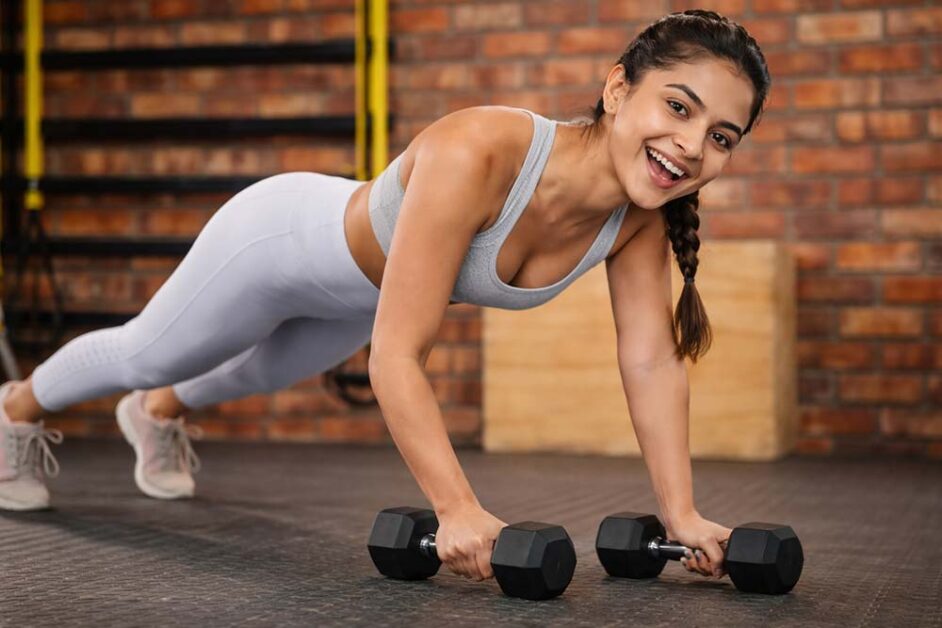
- Lifelong adaptability: Muscle tissue responds to resistance at any age when protein intake recovery and progressive load are adequate. Muscle atrophy is reversible when stimulus is consistent.
- Build muscle menopause: Hormonal shifts slow muscle protein synthesis but they do not prevent rebuilding. Strength after menopause requires slightly more recovery attention not abandonment of effort.
- Consistency over intensity: Sustainable training outperforms extreme cycles. Regular moderate resistance protects muscle and health more effectively than short aggressive bursts.
- Musclespan framework: Strength is rebuilt to preserve choice autonomy and long term capability rather than appearance. Musclespan shifts focus from aesthetics to function.
- Functional strength women: Rebuilding muscle restores confidence in stairs lifting posture and balance. The goal is stable daily movement not athletic performance.
Can strength training reverse bone density and muscle losses?
Strength training can significantly slow and partially reverse muscle loss.6 In postmenopausal women, progressive resistance stimulates muscle protein synthesis and increases mechanical loading on bone, which supports improvements in bone mineral density.

For muscle building women after 40, the goal is not aesthetic change but sustained capability. Progressive resistance training supports autonomy, mobility, and metabolic stability. For many women, hesitation is emotional. Midlife signals adaptation, not decline.
Midlife bodies don’t need ‘fixing’. If we turn that narrative off there’s so much joy to be found in movement — Jen Brown, Founder, Meet You At The Barre

Strength is not vanity for women. It is a practical investment in independence confidence and women healthspan across the later decades of life.
Also Read:
- Kegel Exercises for Men & Women: Pelvic Health Guide
- How Women’s Sports Are Powering a New Era of Growth
FAQ: Muscle Loss
What are the 4 major functions of muscles?
Muscles create movement stabilise joints maintain posture and regulate metabolism. They shorten to produce motion lengthen to control force support alignment and help manage blood sugar and hormonal balance making them essential for both mobility and long term health.
What happens when muscles are damaged?
When muscles are damaged inflammation increases and repair processes activate to rebuild tissue. If recovery is insufficient muscle breakdown can exceed repair leading to weakness prolonged soreness reduced strength and higher risk of injury especially after menopause.
What is a natural way to stop muscle spasms?
Hydration adequate magnesium and potassium gentle stretching and light movement can reduce muscle spasms naturally. Addressing fatigue improving sleep and supporting muscle recovery also help prevent recurring tightening and stress related cramping.
Conclusion
Muscle loss in women is often silent but it is not inevitable. It begins early progresses gradually and accelerates during menopause, yet it remains modifiable. When understood in time muscle decline becomes a signal for recalibration rather than resignation.
The Musclespan framework reframes strength as a long term investment in capability rather than appearance. It shifts focus from short term aesthetics to sustained function resilience and women healthspan.
Strength is not vanity. It is agency. It supports autonomy balance recovery and physical independence aging demands. Protecting muscle is protecting choice self reliance and confidence across decades.To ensure muscle health across decades strength must be treated as a structural health priority rather than a temporary fitness phase.
If this resonates, explore more empowering perspectives on women’s health, leadership, and living fully at every age with TrendVisionz.
Additional Resource:
- Volpi E, Nazemi R, Fujita S. Muscle tissue changes with aging. Curr Opin Clin Nutr Metab Care. 2004 Jul;7(4):405-10. doi: 10.1097/01.mco.0000134362.76653.b2. PMID: 15192443; PMCID: PMC2804956. ↩︎
- Dent E, Morley JE, Cruz-Jentoft AJ, Arai H, Kritchevsky SB, Guralnik J, Bauer JM, Pahor M, Clark BC, Cesari M, Ruiz J, Sieber CC, Aubertin-Leheudre M, Waters DL, Visvanathan R, Landi F, Villareal DT, Fielding R, Won CW, Theou O, Martin FC, Dong B, Woo J, Flicker L, Ferrucci L, Merchant RA, Cao L, Cederholm T, Ribeiro SML, Rodríguez-Mañas L, Anker SD, Lundy J, Gutiérrez Robledo LM, Bautmans I, Aprahamian I, Schols JMGA, Izquierdo M, Vellas B. International Clinical Practice Guidelines for Sarcopenia (ICFSR): Screening, Diagnosis and Management. J Nutr Health Aging. 2018;22(10):1148-1161. doi: 10.1007/s12603-018-1139-9. PMID: 30498820; PMCID: PMC12280515. ↩︎
- McCuller C, Jessu R, Callahan AL. Physiology, Skeletal Muscle. [Updated 2023 Jul 30]. In: StatPearls [Internet]. Treasure Island (FL): StatPearls Publishing; 2025 Jan-. Available from: https://www.ncbi.nlm.nih.gov/books/NBK537139/ ↩︎
- Susan R. Davis, JoAnn Pinkerton, Nanette Santoro, Tommaso Simoncini, Menopause—Biology, consequences, supportive care, and therapeutic options, Cell, Volume 186, Issue 19,
2023, Pages 4038-4058, ISSN 0092-8674, ↩︎ - Merz KE, Thurmond DC. Role of Skeletal Muscle in Insulin Resistance and Glucose Uptake. Compr Physiol. 2020 Jul 8;10(3):785-809. doi: 10.1002/cphy.c190029. PMID: 32940941; PMCID: PMC8074531 ↩︎
- Watson SL, Weeks BK, Weis LJ, Harding AT, Horan SA, Beck BR. High-Intensity Resistance and Impact Training Improves Bone Mineral Density and Physical Function in Postmenopausal Women With Osteopenia and Osteoporosis: The LIFTMOR Randomized Controlled Trial. J Bone Miner Res. 2018 Feb;33(2):211-220. doi: 10.1002/jbmr.3284. Epub 2017 Oct 4. Erratum in: J Bone Miner Res. 2019 Mar;34(3):572. doi: 10.1002/jbmr.3659. PMID: 28975661. ↩︎
Stay Connected with Me
Namita Mahajan is a Lifestyle Influencer, Digital Strategist, and Womenpreneur empowering self-reliance and creativity through storytelling and digital presence.
As Director of Nuteq Entertainment Pvt. Ltd. and Co-Founder of TrendVisionz, she brings together media experience, empathy, and innovation to build purposeful brands.
- Explore our work: Nuteq Entertainment | TrendVisionz | About the Authors
- Read our newsletters: Transforming Lives | BizTech Chronicle | Nuteq Newsline
- Guest writer: BizCatalyst360 | Praja Today
- Join the community: Go Mindfulness: Practices for Professionals Coached
- Connect with me: LinkedIn | Twitter | #StoryforBusiness
- Share your review: Leave your review on Google — your feedback helps us grow.
- Listen on Spotify: Leadership Podcast | Guided NLP | Daily Motivation
Believe. Practice. Perform. Let’s create impact together.
✍️ A Note from the Editor
At TrendVisionz, we craft every article with intention—guided by insight, empathy, and the belief that stories can empower change. Our content remains open and free, because knowledge should be accessible to everyone.
If our work inspires you, we’d be deeply grateful for your support. Even $10/month helps us continue creating stories that inform, uplift, and inspire.
💛 Support our work: Contribute via PayPal or write to us at anujmahajan@trendvisionz.com to set up your monthly support.
Thank you for believing in independent storytelling. — Editor


