

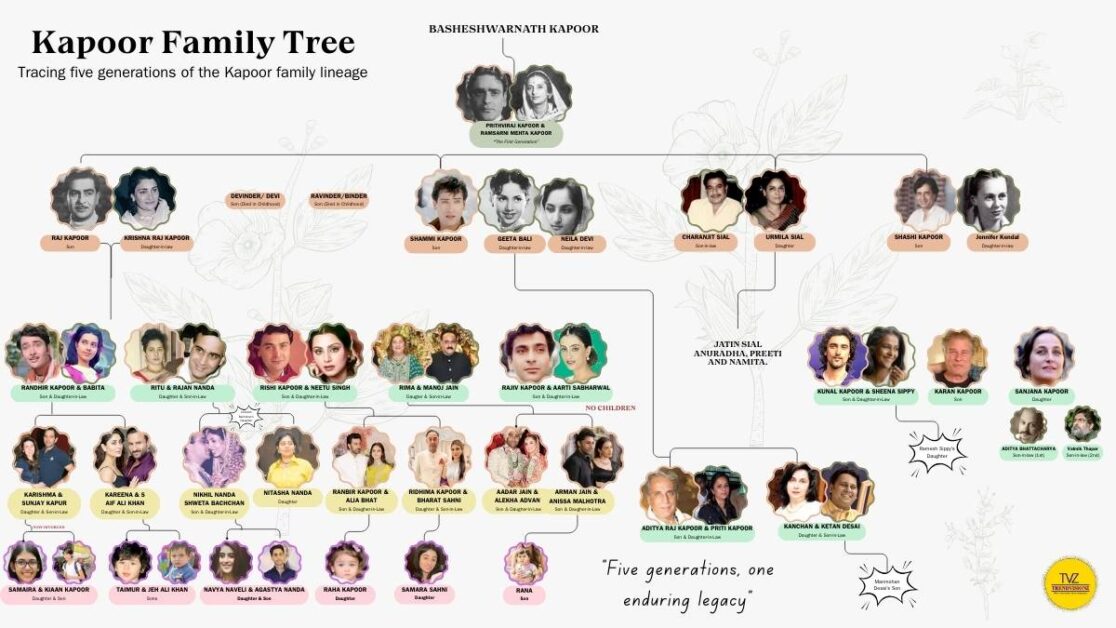
In the heart of Indian cinema, one name does not just represent a lineage. It represents an era. For nearly a century, the Kapoor family has shaped how the Indian film industry sees itself, from theatre stages to global screens. This is more than a Kapoor family tree. It is the living history of the First Family of Bollywood.
Unlike most celebrity dynasties, the Bollywood Kapoor family1 evolved as a cultural institution. Very few film families globally have shaped five generations of actors, filmmakers, producers, and creative spaces with such consistency. The Kapoor family history endures because it has constantly reinvented itself across eras.
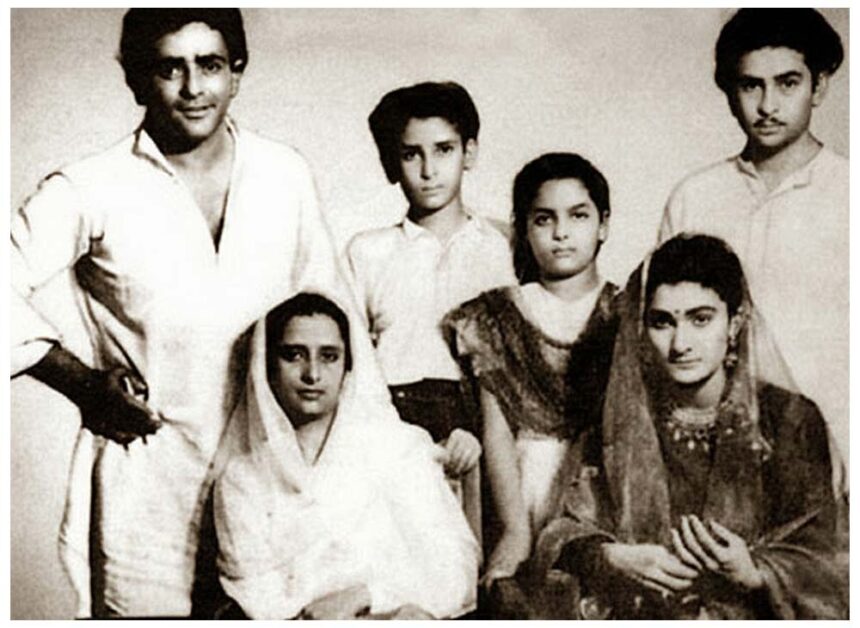
As a media personality and mass communications specialist, I view the Kapoor clan not merely as a celebrity lineage, but as a formidable cultural institution. The Kapoor khandaan endured because it never stood still. It adapted, evolved, and responded to changing audiences.
This journey moves through Prithviraj Kapoor’s theatre roots, Raj Kapoor’s defining century, and the reinventions that followed. From the private worlds of ancestral homes to the global stage, the the Kapoor lineage remains the definitive Bollywood film dynasty.
Also Read:
- Dharmendra Deol: Remembering the Legend of Indian Cinema
- Beyond the Screen: How Bollywood Celebrity Entrepreneurs Are Building Brands
- Raj Kapoor Movies & Legacy: 100 Years of the Showman
Prithviraj Kapoor: Foundations of Indian Cinema
The story of the Kapoor family does not begin on a film set, but on the wooden planks of a stage. In the 1920s and early 1930s, long before cinema created stars, Prithviraj Kapoor was already at work. He shaped a performance culture rooted in discipline, realism, and direct audience connection.
Theatre Before Stardom
Prithviraj Kapoor entered cinema during its earliest transition years, appearing as a supporting actor in Alam Ara (1931), India’s first talkie.
His notable later works included Mughal-e-Azam (1960), where his performance carried classical gravitas, and Kal Aaj Aur Kal (1971), a rare film uniting three generations of the Kapoor family on screen.
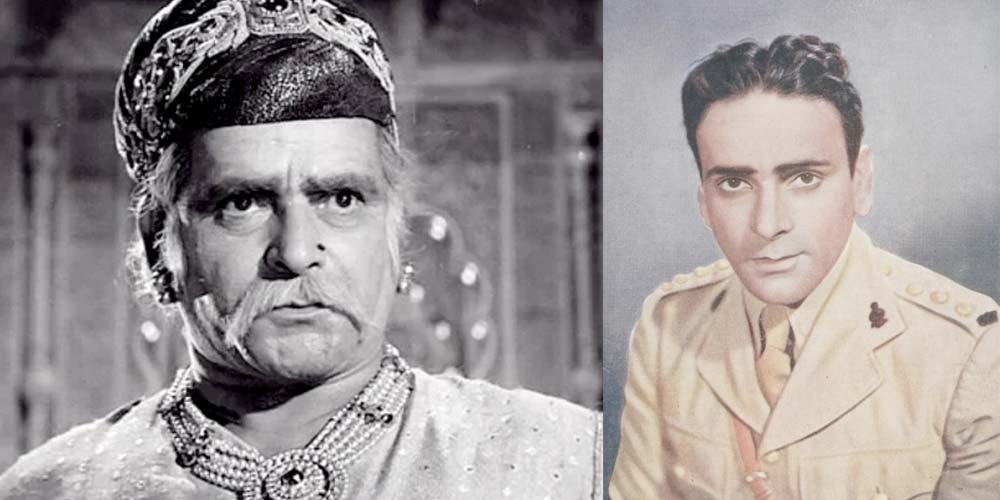
Yet his lasting influence was forged through theatre, at a time when touring productions defined storytelling across undivided India.
- The travelling troupe (1940s): By taking theatre directly to the audience rather than waiting for them to come to a hall, Prithviraj established a lifelong, audience-first approach.
- Discipline as creative DNA: His era instilled rigorous discipline and realism that became the foundation of the family’s creative approach. Performing for diverse audiences shaped storytelling that favoured relatability, moral clarity, and emotional truth over spectacle or celebrity.
- Mentorship beyond the immediate family: Prithviraj Kapoor’s influence extended beyond his household. Artists and relatives from Peshawar who entered Bombay cinema absorbed his discipline and performance ethic. This regional influence later surfaced in Anil Kapoor’s reflection on his Pathani–Punjabi roots.
“It’s a very Punjabi thing. It’s a very Pathani thing. I’m a Pathan’s son. My father and grandfather were all Pathans from Peshawar.” — Anil Kapoor, Indian Actor and Film Producer
This theatre-first grounding became the Kapoor family’s creative DNA. It trained generations to value preparation over celebrity and realism over spectacle. Prithvi Theatre later became a nurturing ground for serious performers such as Naseeruddin Shah, Om Puri, and Ratna Pathak Shah. The Kapoor legacy reinforces a culture where emotional truth mattered more than visibility.
Why was theatre central to the Kapoor family’s cinematic thinking?
Because touring theatre trained the family to value emotional truth, discipline, and audience connection over celebrity, shaping their cinematic sensibility from the ground up. As Shashi Kapoor, founder of Prithvi Theatre, later articulated:
“A theatre should be an open and welcoming space, willing to embrace all ideas and people, and make them its own.” —Shashi Kapoor, Indian Actor and Film Producer
This foundation ensured that when cinema expanded, the Kapoor legacy remained anchored in craft rather than convenience.
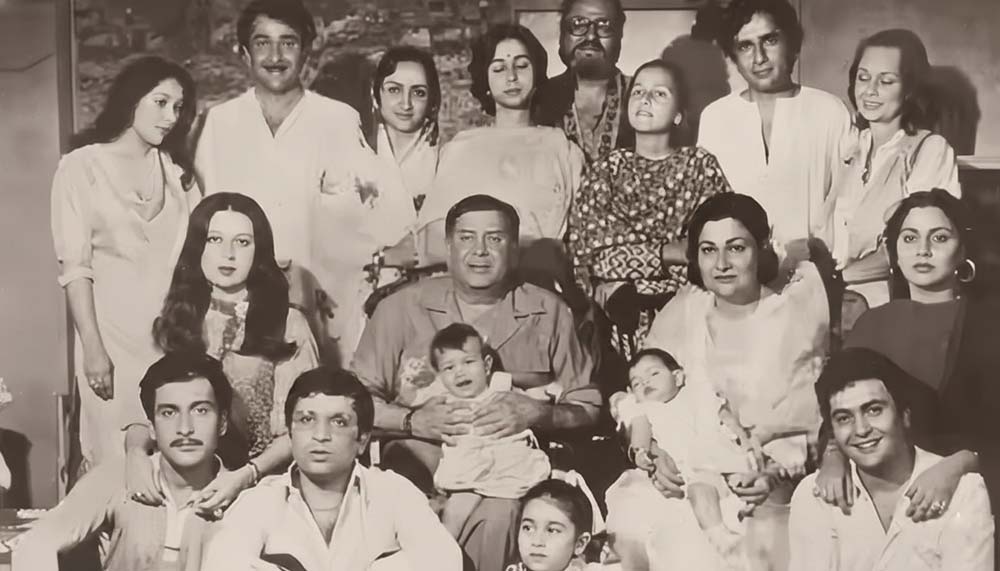
Five Generations That Defined Bollywood’s Changing Era
The Kapoor family tree is more than a lineage of actors. It records how Indian cinema evolved across eras, reflecting changes in performance, storytelling, audience taste, and cultural responsibility over nearly a century.
Each generation did not inherit fame by default. It responded to a changing industry and redefined relevance as cinema moved through social and technological shifts.
First Generation – The Foundation
The first generation was led by Prithviraj Kapoor, who laid the foundation of the Kapoor legacy. He represented theatre realism and disciplined performance that would shape the family’s creative direction.
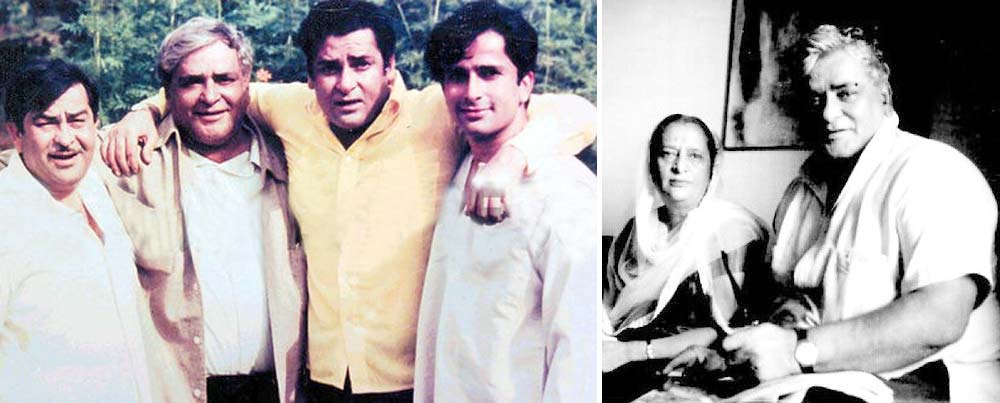
Born in 1906 in Lyallpur, Punjab, to Basheshwarnath Kapoor. Prithviraj Kapoor received the Padma Bhushan in 1969 for his enduring contribution to Indian theatre and cinema.
His passing in 1972 marked the close of the founding generation and the transfer of cultural responsibility to his sons.
Second Generation – Expansion and Stardom
The second generation expanded the Kapoor legacy from foundation to dominance. This era shaped mainstream Hindi cinema through scale, stardom, and ambition.
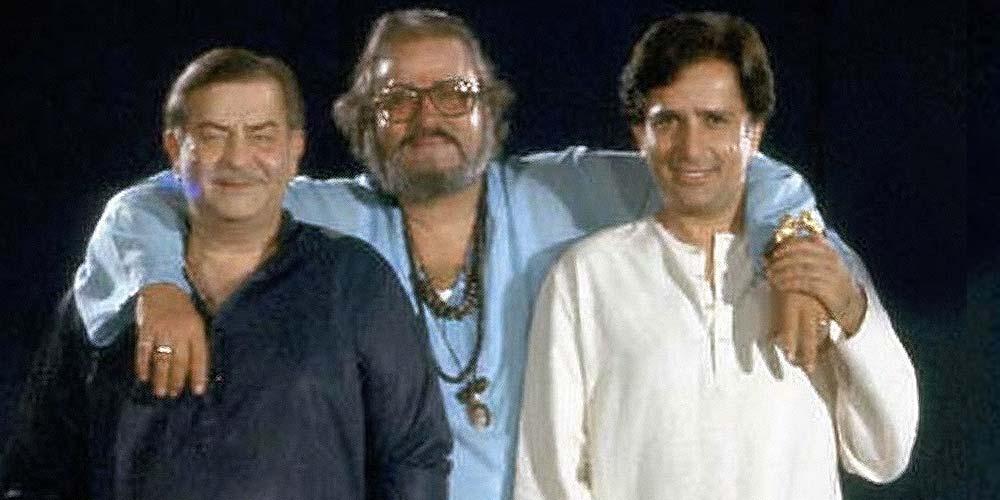
Raj Kapoor (1924–1988)
Born on 14th December, 1924, Raj Kapoor became one of India’s youngest film directors at 24 with Aag (1948). He later delivered defining works such as Awara (1951), Shree 420 (1955), and Mera Naam Joker (1970). His cinema blended romance, social realism, and moral conflict, often centred on the common man.
Shammi Kapoor (1931–2011)
Born in 1931, Shammi Kapoor redefined screen energy and youth appeal through films like Junglee (1961), Teesri Manzil (1966), and Kashmir Ki Kali (1964). In later years, he became an early advocate of digital literacy and internet awareness. He passed away in 2011.
Shashi Kapoor (1938–2017)
Born in 1938, Shashi Kapoor balanced commercial success with artistic purpose. His notable works included Deewar (1975), Kabhi Kabhie (1976), and Junoon (1978). Much of his mainstream work funded Prithvi Theatre, which remained his priority.
“I know there is only one kind of cinema that exists in the world, and that is good or bad cinema.” — Raj Kapoor, Actor and Film Director
Third Generation – Transition
Rishi Kapoor, Randhir Kapoor, and Rajiv Kapoor represented a transition phase in Hindi cinema. The studio era had faded. Careers became more individual and risk driven. Ritu Nanda and Rima Jain, also part of the third generation, expanded the Kapoor legacy beyond acting.
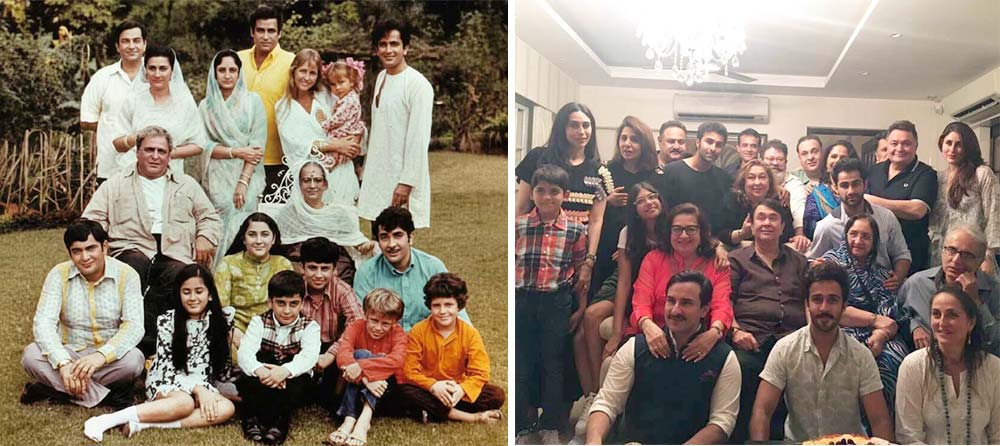
Rishi Kapoor carried the romantic lead into a changing market through films like Bobby and Karz. Randhir Kapoor was best known for Kal Aaj Aur Kal, which reflected generational transition within the family. Rajiv Kapoor found recognition with Ram Teri Ganga Maili.
Together, this generation bridged legacy and uncertainty during a period of industry realignment.
Fourth Generation – Reinvention
Karisma Kapoor (1974), Kareena Kapoor Khan (1980), and Ranbir Kapoor (1982) reshaped modern stardom through performance-led cinema. Riddhima Kapoor Sahni, Armaan Jain, Aadar Jain, Nikhil Nanda, Nitasha Nanda, and Zahan Kapoor represent parallel fourth-generation paths
Karisma is remembered for Raja Hindustani and Dil To Pagal Hai. Kareena’s defining work includes Jab We Met and Omkara. Ranbir is best known for Rockstar and Barfi!.
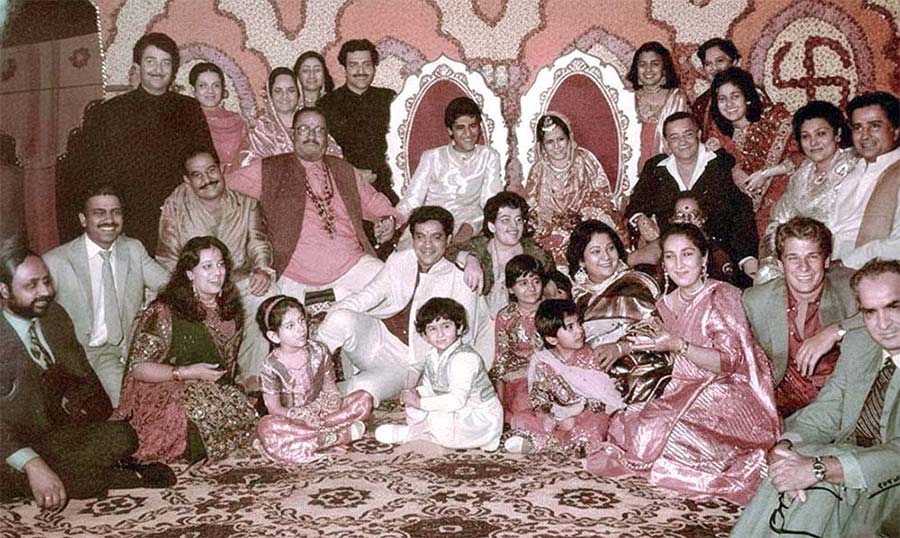
Together, they pushed Indian cinema toward performance-driven storytelling, stronger female leads, and emotionally complex characters.
Fifth Generation – Beyond Cinema
Navya Naveli Nanda, Agastya Nanda, Raha Kapoor, Taimur Ali Khan & Jehangir Ali Khan represent a generation where legacy is inherited, not imposed.
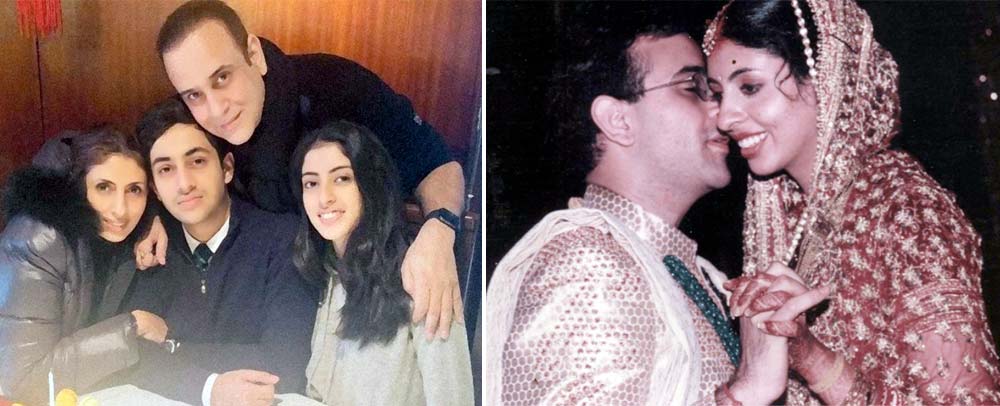
How does the Kapoor family tree map the evolution of Indian cinema?
The Kapoor family tree reflects how Indian cinema has changed over time. It begins with pre-independence theatre. It moves through studio-era filmmaking. And it ends in today’s global storytelling. Across eras, continuity came from shared values and discipline.
From Prithviraj Kapoor to Ranbir Kapoor, each generation responded to its moment with its own voice, shaping continuity through personal choices rather than inherited certainty.
Raj Kapoor and the Golden Era of Bollywood
Raj Kapoor stands at the definitive centre of the Kapoor family. Often described as the Charlie Chaplin of Indian cinema, his screen persona blended innocence, social conscience, and visual storytelling. His work coincided with a decisive turning point in Indian cinema history. In this era, Hindi films began moving away from rigid studio systems toward grand, mass-audience storytelling.
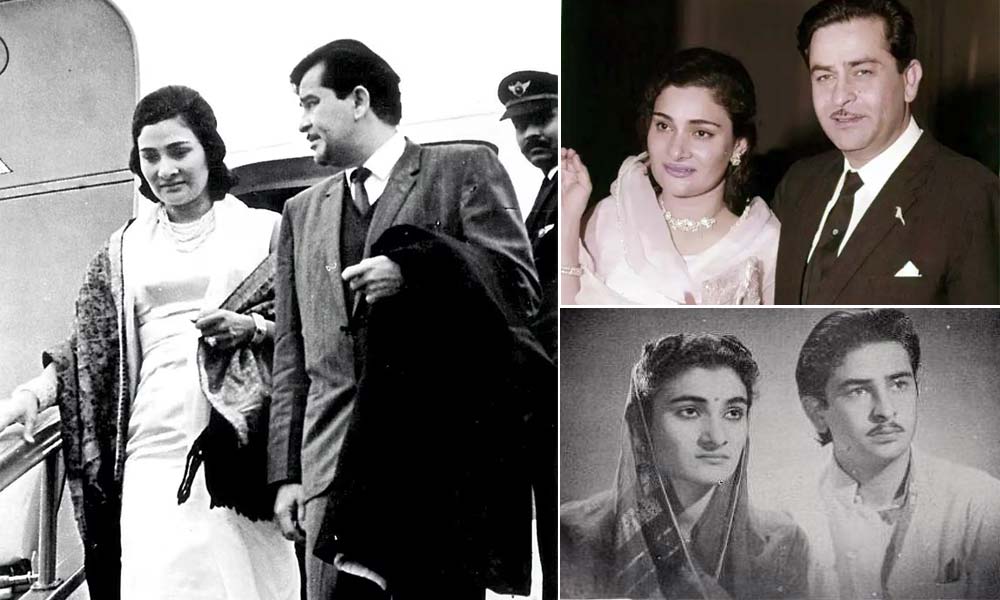
As the Greatest Showman of Indian Cinema, Raj Kapoor carried this transition with scale, personal risk, and emotional authorship.
“The name Raj Kapoor only signifies one word: India. Visit any part of the world and your own Indian identity gets identified by his name.” — Amitabh Bachchan
When Hindi Cinema Crossed Borders
Raj Kapoor’s2 global recognition emerged organically through storytelling that travelled across cultures. Awaara became a cultural inflection point when post-war audiences in the Soviet Union connected deeply with its emotional clarity, music, and moral tension. In the Soviet Union alone, Awaara sold over 64 million tickets, turning Raj Kapoor into a rare foreign cultural figure embraced at a truly mass scale.
This reception turned Raj Kapoor into an early form of cultural diplomacy. Long before soft power was formalised, his cinema acted as an emotional bridge between India and international audiences.
“When Raj Kapoor visited Moscow in 1956, he was met with unprecedented fanfare. Crowds thronged the streets to catch a glimpse of their beloved star.” — Kunal, A Century of Stories
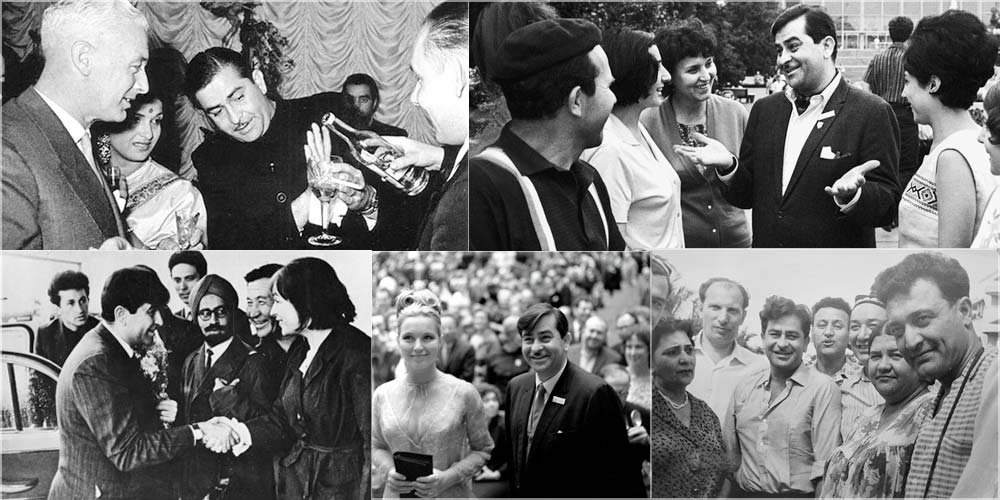
The Showman of Indian Cinema: Defining an Era
Raj Kapoor’s influence extended beyond acting into voice and worldview. As actor, director, and producer, he shaped a cinema language where romanticism met social conscience. His dialogues often questioned poverty, materialism, and moral distance, privileging innocence and humanity over surface success.
“Jis duniya mein aap rehti hain, usmein insaan ke dil aur dimaag ki nahin, uske kapdon ki izzat hoti hai. Yahi toh dukh hai aaj, gareeb bhi gareeb ko nahin pehchanta.” — Shree 420 (1955)
Mera Naam Joker concentrated Raj Kapoor’s greatest creative risk. At over four hours, its episodic structure and introspective tone clashed with an audience seeking lighter, escapist cinema. In India, the film earned ₹80 lakh at the box office. Overseas collections, led by the Soviet run, pushed worldwide earnings to approximately ₹18 crore.
“He never made a film with his brain. He made the film from his heart.” — Rishi Kapoor, Indian Actor
Henna (1991) reflected Raj Kapoor’s long-held belief in emotional unity across borders. Through an Indo-Pak collaboration, the film extended his cinematic vision beyond politics and geography. The film’s cross-border symbolism was noted internationally.
“A Romeo and Juliet story with Romeo portrayed as an Indian Hindu — and played Rishi Kapoor, who is one — and Juliet a Pakistani Muslim by the name of Henna” —New York Times
How did Raj Kapoor’s vision continue after his passing?
After his death, Henna became a final echo of Raj Kapoor’s vision. Completed by his eldest son, Rajiv Kapoor, the film starred Rajiv Kapoor and Zeba Bakhtiar, with “Main Hoon Khushrang Henna” still resonating decades later.
Raj Kapoor’s era marked the close of the studio-led age in Hindi cinema. What followed was a period where individual choices, risk, and adaptation would determine how the Kapoor legacy continued across generations.
The Kapoor Pivot: How the Family Stayed Current
Every era of Hindi cinema asks its stars to change. The Kapoor khandaan answered that demand repeatedly. Across generations it reshaped how it appeared performed and connected with audiences.
The Kapoors: Changing Faces of Stardom
As Hindi cinema moved away from formality and predictable heroism, different members of the Bollywood Kapoor family adapted in distinct ways.
- Energy and youth: Shammi Kapoor brought music, movement, and spontaneity into stardom, reshaping how emotion and rebellion appeared on screen.
- Range and global outlook: Shashi Kapoor widened the Kapoor footprint by moving between mainstream cinema, international projects, and sustained theatre patronage.
- Longevity and role evolution: Rishi Kapoor embraced transition, shifting from romantic leads to character-driven performances as audience expectations evolved.
Together, these shifts reflected how the Kapoor family responded to evolving definitions of stardom rather than clinging to past success.
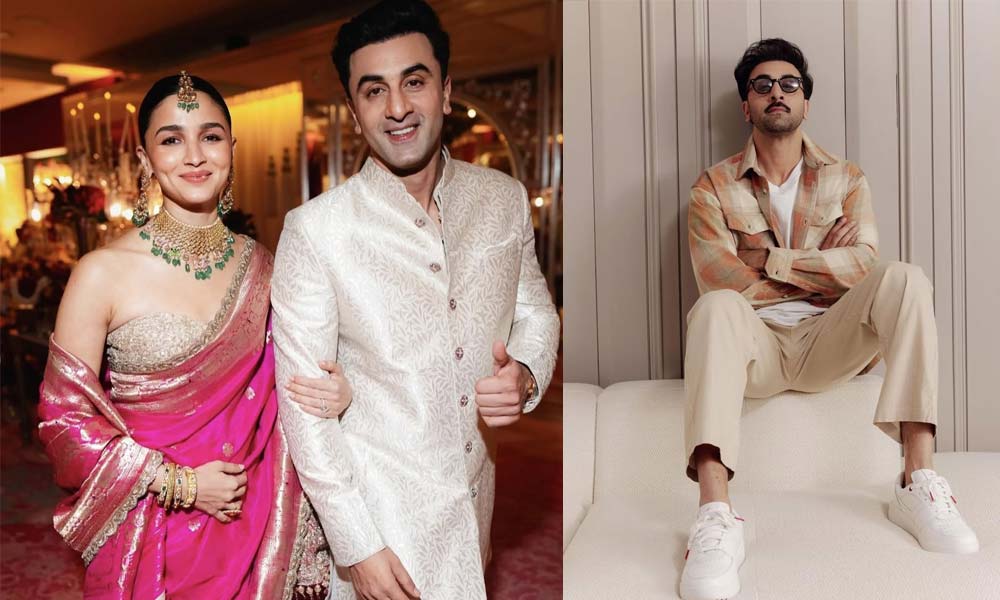
Ranbir Kapoor: The Uncomfortable Hero
In contemporary Indian cinema, Ranbir Kapoor represents a new Kapoor archetype. His career favours flawed, emotionally vulnerable characters over heroic certainty. By distancing himself from predictable superstardom, he redefined what the Kapoor surname signals to modern audiences.
What separates the Kapoor family from many Bollywood dynasties is not longevity alone, but the instinct to move with cinema’s rhythm rather than remain frozen in past success.
The Women of the Kapoor Family and Breaking Traditions
The Kapoor legacy was shaped by women long before visibility arrived on screen. Their influence moved quietly through homes theatres and decisions that sustained the family through change.
The Quiet Pillars Before the Spotlight
Impeccably dressed in white organdy saris with pearls and quiet grace, Krishna Kapoor appeared composed even during turmoil at home. For her husband, Raj Kapoor, she was the steady anchor behind creative risk. For her sons, she became both parents, insisting on discipline, education, and polish that shaped their lives beyond cinema.
Babita Kapoor made a decisive personal choice after working with Randhir Kapoor in Kal Aaj Aur Kal. She stepped away from marriage to focus on shaping her daughters’ careers and futures. It made Karisma’s entry into cinema a planned path, not an exception. Jennifer Kendal Kapoor carried Prithvi Theatre forward and protected its cultural mission.
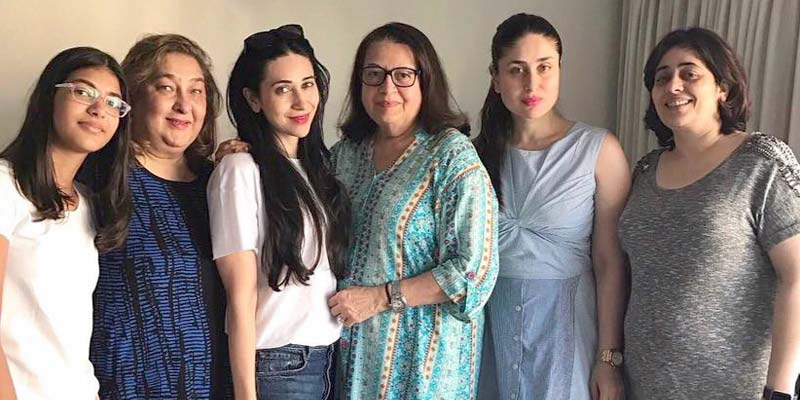
Karisma Kapoor and the First Public Break
Born to character actor Hari Shivdasani, Babita Kapoor came from a film family. She entered cinema and later challenged family tradition by encouraging both her daughters to act.
Karisma Kapoor entered mainstream Hindi cinema at a time when Kapoor women had not pursued acting careers publicly. She did not argue tradition. She worked. Box office success and audience trust established credibility on merit. Her presence shifted perception without confrontation and made visibility possible.
Why Are Kapoor Women Central to the Family’s Modern Legacy?
Kareena Kapoor Khan expanded that opening at scale. She moved from glamour to performance driven cinema and sustained relevance across theatres and streaming platforms. She also addressed the myth of restriction directly. Karisma Kapoor clarified the idea on television as “Yeh sab baatein hain ki mujhe allow tha yaa nahi tha.” Kareena framed legacy as work and choice.
“It was only me and Karisma before Ranbir came in. So the two girls, actually like my mother says, they’re not tigresses, they are tigers because they did take the legacy forward.” — Kareena Kapoor Khan
Together, the Kapoor women changed the story. Influence moved from private rooms to public authorship, reshaping the family legacy through choice and work.
Inside the Private World of the Kapoor Family
The Kapoor legacy was sustained as much by private discipline as by public success. Homes, routines, and shared spaces carried the family through migration, fame, and constant scrutiny.
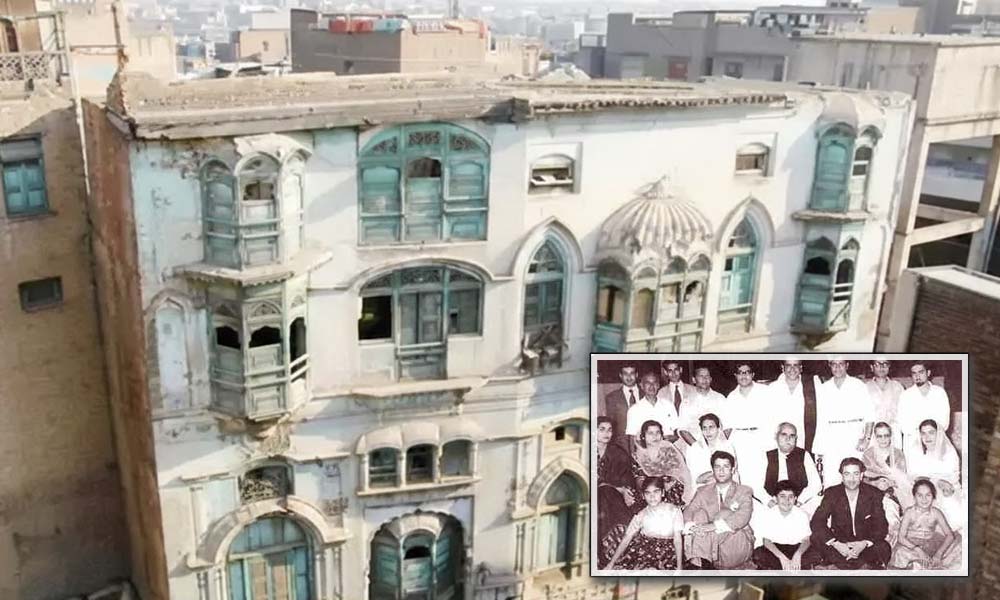
Kapoor Haveli, Peshawar
The family’s royal story begins in Peshawar. The six-storey Kapoor Haveli was built between 1918 and 1922 by Dewan Basheshwarnath Kapoor in Dhaki Munawar Shah, overlooking Bala Hisar Fort. The haveli, witnessed the birth of Raj Kapoor in 1924, years before the family’s cinematic journey began. Long before cinema entered the picture, the haveli represented grounding rooted in pre-Partition India.
Wealth as an Outcome, Not an Inheritance
Often described as the first family of Indian cinema, the Kapoor family today has a combined estimated net worth exceeding ₹2,000 crore.
Financial scale, however, arrived much later and reflects independent careers rather than pooled inheritance. By 2026, Alia Bhatt Kapoor leads with an estimated ₹550 crore, followed by Kareena Kapoor Khan at roughly ₹500 crore. Ranbir Kapoor’s portfolio stands near ₹345 crore. While Karisma Kapoor’s estimated ₹120 crore reflects longevity, investments, and steady passive income.
Deonar Cottage (RK Cottage), Chembur
In Mumbai, Deonar Cottage in Chembur became the family’s most recognisable private space. It hosted industry gatherings, celebrations, and intimate milestones. In 2023, the property was sold to Godrej Properties for approximately ₹100 crore. The decision echoed Krishna Raj Kapoor’s philosophy of detachment.
“Don’t get attached to bricks and walls once I am gone.” — Krishna Kapoor

As the family transitioned across generations, private life shifted to newer addresses. Homes such as Krishna Raj in Pali Hill and Janki Kutir in Juhu reflected different phases of Kapoor life, balancing scale, privacy, and proximity to Mumbai’s cultural core.
Food, Family, and the Kapoor Way of Life
For the Kapoor family, food has always been more than indulgence. It has worked as a cultural constant, shaping family bonds, discipline, and continuity, long before fame or stardom entered the picture.
From Peshawar Kitchens to Bollywood Homes
Food traditions rooted in Peshawar travelled intact through migration. Early Kapoor households were built around shared meals, not special occasions. Punjabi–Frontier food culture became the family’s first inheritance, predating cinema. Eating together remained a daily ritual that reinforced belonging, routine, and continuity rather than celebration alone.
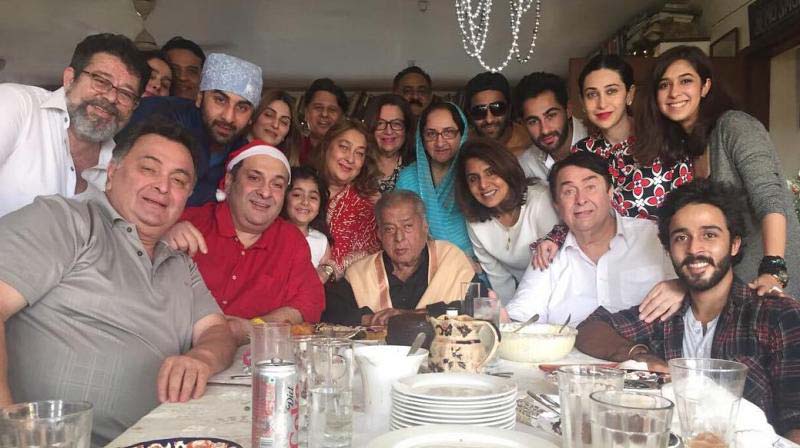
The Matriarchal Pivot – Krishna Raj Kapoor’s Kitchen
Born into privilege as the daughter of Raisaheb Kartar Nath Malhotra, an Inspector General of the Central Provinces
Krishna Raj Kapoor brought calm structure into a home driven by creative intensity. As the bhabhiji of the film world, she quietly anchored the Kapoor household. Food was her language of care. Her handwritten recipe books, treated as family heirlooms, preserved flavours and methods. Cooking here was care, memory, and authority, never performance.

Signature Kapoor dishes
- Junglee Mutton: A rustic, ghee-led preparation that became a defining family staple.
- Mutton Paya: Slow-cooked and restorative, served as comfort food.
- Ghee Dhooper: A finishing ritual that reflected abundance, warmth, and affection.
“Our Punjabi homes are just food, food, and food… Even in good and bad times, food and celebrating together are traditions that have never stopped and have kept us together.” — Armaan Jain
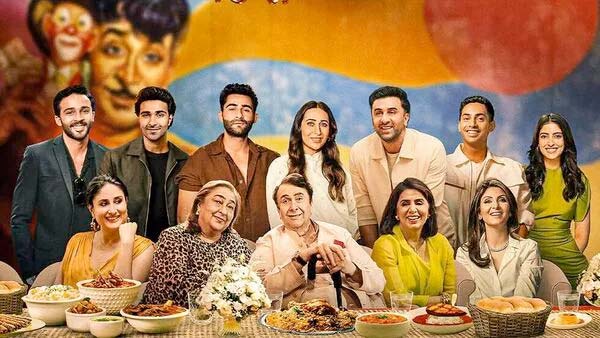
Is “Punjabi Chinese” the Kapoor family’s secret love language?
Yes. Desi-Punjabi Chinese became a recurring comfort ritual, reflecting the family’s preference for familiar, shared flavours over culinary authenticity.
Punjabi Chinese, with its familiar sauces and spice profiles, mattered more to the Kapoor family than classical Chinese purity. As Anil Kapoor has shared, ordering Chinese while watching films together was about time spent and ease, not cuisine ideals.
“All the Kapoors love Chinese… we want Punjabi Chinese food, so it’s different.” — Saif Ali Khan
These traditions appear in the Netflix series Dining With The Kapoors, where food becomes the setting for family storytelling.
For over 100 years, studios and homes changed, but the Kapoor table remained constant, quietly proving that food, more than fame, held the family together.
Lesser-Known Facts About the Kapoor Family
Beyond their public stature, the Kapoor family’s journey is shaped by quieter details that reveal how legacy was built through circumstance, relationships, and symbolism long before influence became inherited.
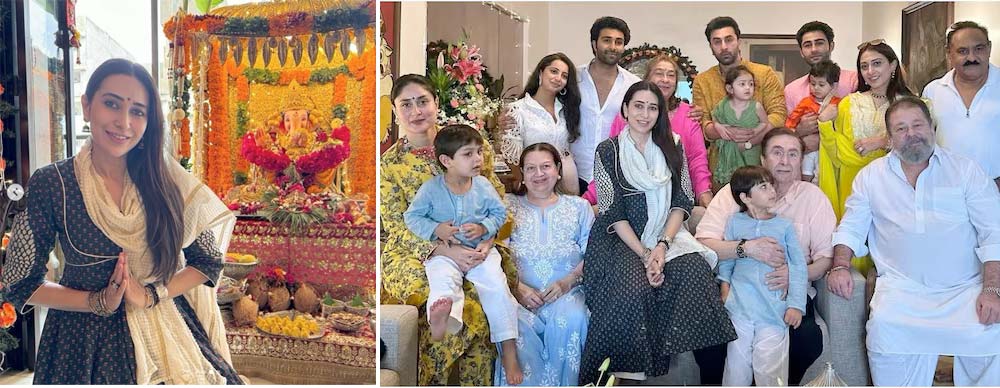
- Humble beginnings in Bombay: Prithviraj Kapoor lived in a small shed during his early years in Bombay, struggling financially while establishing himself in theatre. This phase preceded the Kapoor name becoming synonymous with stability or power in Indian cinema.
- An interconnected Bollywood ecosystem: The Kapoor family’s influence extended beyond bloodlines into close creative and personal alliances with Surinder Kapoor’s family, the Sippy family, and the Pataudi household. These relationships shaped collaborations, marriages, and cultural continuity.
- The shared ‘Raj’ identity: Raj Kapoor’s first name was part of a family naming tradition shared with his brothers Shamsher Raj Kapoor and Balbir Raj Kapoor. The repetition reflected collective identity and lineage over individual branding.
- The story behind the RK Studios logo: RK Studios’ iconic logo originated from a still in Barsaat featuring Raj Kapoor and Nargis. Founded in 1948, the studio functioned as a creative hub for decades before its eventual sale marked the symbolic end of the studio-led Kapoor era.
- Cinema’s first multi-generational casting: Three generations of the Kapoor family appeared together on screen in Kal Aaj Aur Kal, one of Hindi cinema’s earliest portrayals of intentional multi-generational storytelling.
Together, these lesser-known details reveal a legacy shaped not just by stardom, but by restraint, connection, and choices made long before visibility arrived.
How the Kapoor Legacy Survived the Modern Industry
The Kapoor family remains a living cultural reference point in Indian cinema. Their relevance today comes not from frozen legacy, but from adapting to how the industry itself has changed over time.
“The Kapoor surname has legend, a passion for acting, respect, and love attached to it. And I am very proud of that. Acting is in my blood.” — Karisma Kapoor
The journey of Kapoor family, is often cited in the Bollywood nepotism debate. Yet sustained audience acceptance has remained the final measure of legitimacy across generations.
- Surviving disruption: The Kapoor family demonstrates how film dynasties endure industry disruption by evolving rather than disappearing.
- Cinema in transition: Their journey mirrors Hindi cinema’s shift from the studio era to star dominance and then to performance-led relevance shaped by audience choice.
- Audience as validator: Public acceptance, not inheritance, has remained the true measure of legitimacy.
- Legacy in modern form: Ranbir Kapoor carries forward the acting lineage through performance-driven choices, while Alia Bhatt reflects evolution through agency as actor and producer.
- Beyond cinema: Navya Naveli Nanda signals a generational expansion where influence now extends into entrepreneurship, platforms, and public discourse.
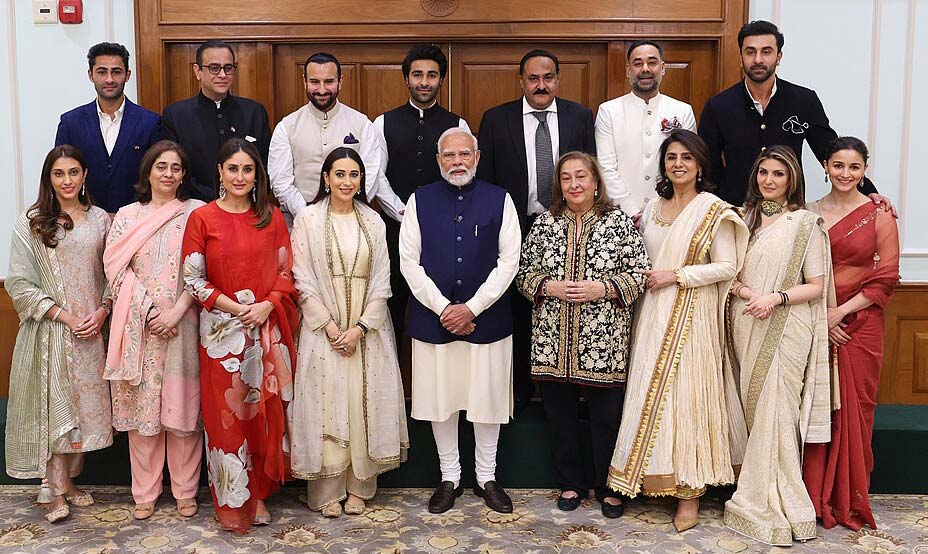
The Kapoor legacy endures because it is tested continuously in the present. It survives not through preservation, but through repeated reinvention in step with Indian cinema itself.
Also Read:
- From Passive to Powerful: How Bollywood is Rewriting the Modern Woman
- Beyond Bollywood: Exploring the Richness of Regional Indian Cinema
FAQs: Kapoor Family
How many generations does the Kapoor family span in Bollywood?
The Kapoor family spans five generations in Bollywood, beginning with Prithviraj Kapoor, followed by Raj and Rishi Kapoor, and continuing through Karisma, Kareena, Ranbir Kapoor, and the youngest members shaping Indian cinema’s future.
Which generation of the Kapoor family marked the biggest cultural shift in Indian cinema?
The fourth generation marked the biggest shift, as Karisma, Kareena, and Ranbir Kapoor modernised the family’s image and redefined stardom through performance-driven roles in contemporary Indian cinema.
How did RK Studios influence the Kapoor family legacy?
RK Studios shaped Bollywood’s golden era by setting benchmarks in storytelling, music, and production, transforming the Kapoor family from actors into long-term custodians of cinematic culture.
Conclusion
The Kapoor family legacy endures not because it resisted change, but because it evolved with each passing era. Over the years, relevance was earned through adaptation, judgment, and continuity rather than inherited certainty.
At the centre of this journey stands Raj Kapoor, whose vision shaped not just a golden era, but a mindset that valued risk, emotional truth, and cultural responsibility. What followed was not repetition, but reinvention. From theatre roots to global cinema, the Kapoor story reflects how legacy survives only when it stays responsive to its time.
Quietly passed generation after generations is an enduring philosophy: the show must go on. Not as spectacle, but as resilience.
At TrendVisionz, we view the Kapoor family as a living case study in relevance, offering timeless lessons on continuity, evolution, and cultural leadership.
Also Read:
- APA Citation (7th edition). Jain, M. (2005). The Kapoors: The first family of Indian cinema. Penguin Books India. ↩︎
- Dwyer, R. (2013). Fire and Rain, The Tramp and The Trickster: romance and the family in the early films of Raj Kapoor. The South Asianist: Journal of South Asian Studies, University of Edinburgh, 2(3), 9-32. http://www.southasianist.ed.ac.uk/article/view/697 ↩︎
Stay Connected with Me:
Anuj Mahajan is a marketing and communication professional with over 30 years of experience. A senior business and media operator, he uses storytelling to bring clarity, strengthen communication, and reinforce leadership discipline to drive growth. He is an ICF-ACC Certified Coach and an experienced corporate trainer. Drawing from deep operating experience, he helps leaders and organizations translate strategy into consistent business outcomes.
- Explore my work: Nuteq Entertainment | TrendVisionz | Author Profile
- Read our newsletters: Transforming Lives | BizTech Chronicle | Nuteq Newsline
- Guest writer: BizCatalyst360 | Praja Today
- Books: Go Mindfulness: Practices for Professionals Coached
- Join the community: LinkedIn Group – Digital Marketing & Content Creation World
- Connect with me: LinkedIn | Twitter | #StoryforBusiness
- Share your review: Leave your review on Google — your feedback helps us grow.
- Listen on Spotify: Leadership Podcast | Guided NLP (7 Episodes) | Daily Motivation – 21 Episodes
Believe. Practice. Perform. Let’s create impact together.
✍️ A Note from the Editor
Independent storytelling thrives with you. Contribute $15/month via PayPal or email us at anujmahajan@trendvisionz.com. [Guest write for us — Free or Paid.]


2 comments
I just like the helpful information you provide in your articles
very informative articles or reviews at this time.
Comments are closed.