

Most women don’t realise how much pressure they carry when it comes to reproductive choices. The weight begins long before they ever make their first decision. In India, almost 33 percent of women still lack access to or proper guidance on contraception. Here the conversation around family planning often starts late and feels confusing. That’s exactly why understanding the right birth control methods matters.

As someone deeply committed to women’s wellness, I’ve seen how accurate and empathetic information can reshape the way women understand their bodies. My work as a subject-matter expert is to simplify complex health topics. The focus is to translate medical information into clear, trustworthy guidance.
TrendVisionz insights support women in making decisions rooted in confidence, wellbeing, and personal autonomy. Family planning isn’t just a medical choice. It is emotional readiness, safety, financial stability, and long-term confidence.
This guide breaks down female contraceptive methods and clears common misconceptions. The insights will help you understand the most effective, safe options for pregnancy prevention. Read on…
Also Read:
- AI & Robotics: How Early Integration Is Shaping Modern Healthcare
- Can Soleus Push-Ups Really Lower Blood Sugar?
- Kegel Exercises for Men & Women: Pelvic Health Guide
Understanding Birth Control and Family Planning
Family planning plays a central role in shaping a woman’s health, emotional readiness, and long-term wellbeing. In India, where clear contraceptive guidance is still limited for many, understanding your options becomes the foundation for safe and confident reproductive choices.
What Family Planning Really Means
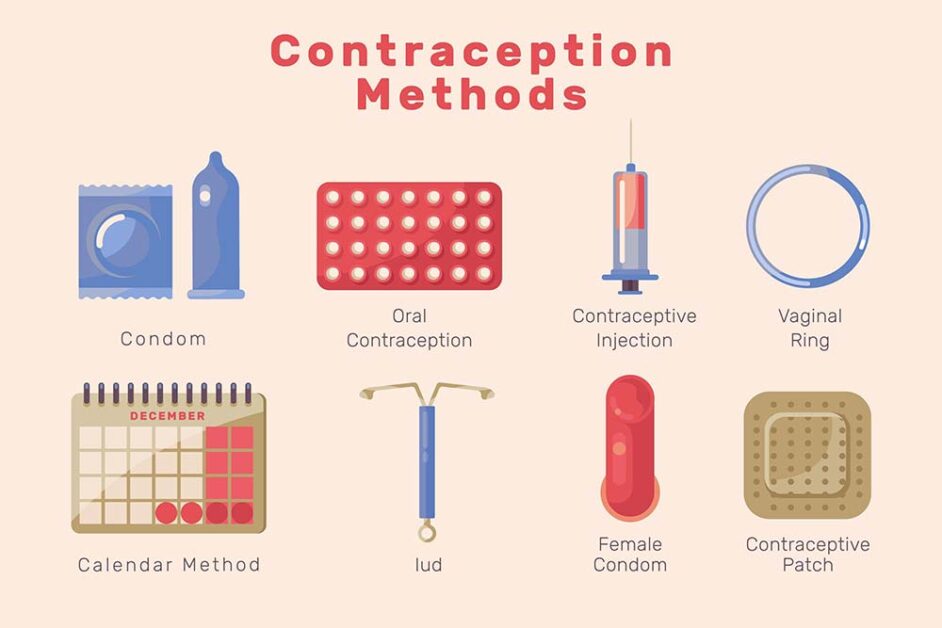
Family planning allows couples to decide when they are ready for a child, giving them space to balance health, emotions, finances, and life goals. NFHS-5 data shows that spacing pregnancies by at least twenty-four months improves maternal recovery and reduces newborn complications. In my conversations with women, I often hear how empowering it feels once they realise this is not about restriction but about choice and control.
Why couples choose contraception?
Couples choose contraception for many personal and practical reasons, often linked to their health, emotional readiness, and life goals. These reasons shape how they plan their family, protect their wellbeing, and create stability for their future.
- Avoiding unintended pregnancies
- Emotional readiness before parenthood
- Stability in education or career
- Better financial planning
- Protecting maternal health after childbirth
How Contraceptive Effectiveness Works
Every contraceptive method has two effectiveness levels. Perfect use reflects the highest possible protection when used exactly as directed. Typical use accounts for real-life habits, where timing or technique may vary.
Effectiveness examples
Every contraceptive method protects differently, which is why understanding real effectiveness matters. Perfect use reflects ideal conditions. Typical use shows how methods perform in everyday life, where timing, routine, or technique may vary.
- IUDs and implants: more than 99 percent effective
- Birth control pills: 93 percent with typical use and 99 percent with perfect use
- Condoms: 85 percent with typical use and 98 percent with perfect use
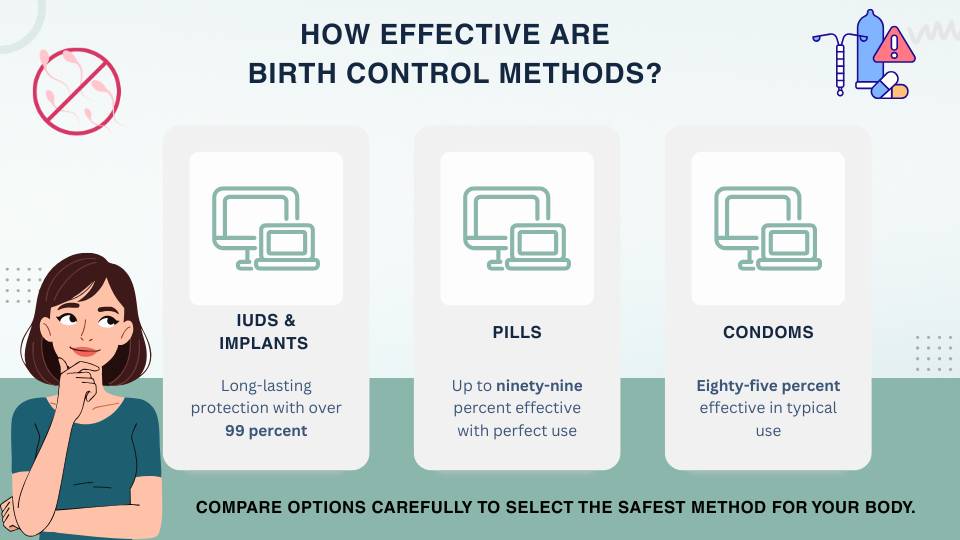
Understanding these differences helps identify the methods that suit your lifestyle and offer reliable protection.
Regular Contraception and Emergency Pills
Many women confuse emergency pills with regular contraception, which leads to misuse and unnecessary stress. Regular methods such as pills, condoms, IUDs, injectables, and implants are designed for ongoing protection. Emergency contraception is meant only for unexpected situations after unprotected sex and works best within seventy-two hours. It is not intended for routine or frequent use.
Emergency pills serve as a backup option, not a replacement for daily or long-term birth control.
Barrier Methods of Contraception
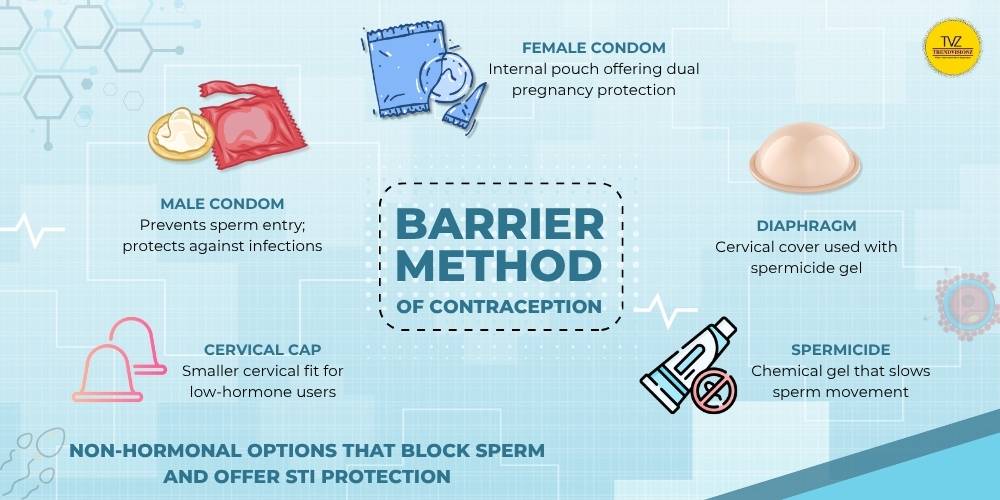
Barrier methods provide pregnancy prevention without hormones, making them a practical option for women. They are especially important as they offer protection from sexually transmitted infections. The barrier options are among the simplest pregnancy prevention methods for women who prefer hormone-free choices into everyday life.
Male Condom
Condoms are one of the most accessible and widely used contraceptive options in India. They create a physical barrier that prevents sperm from entering the uterus. Many young couples choose this method because it is easy to use, affordable, and available without prescription.
How it works:
Condoms act as a physical barrier during intercourse and block sperm from reaching the egg. They also provide an added layer of protection against infections.
- Worn on the penis during intercourse
- Prevents sperm from reaching the egg
- Offers STI protection
Correct use steps:
A condom works best when used properly from start to finish. These simple steps ensure maximum effectiveness and reduce chances of breakage or slippage.
- Open the packet carefully without using teeth
- Pinch the tip to remove trapped air
- Unroll all the way down
- Dispose after a single use
Common errors to avoid:
Most failures happen due to incorrect use, not the method itself. Avoid these frequent mistakes to ensure reliable protection.
- Reusing condoms
- Not leaving space at the tip
- Wearing it inside out
- Using oil-based lubricants that weaken latex
Using condoms correctly is one of the simplest ways to prevent pregnancy and protect against infections. When used with care, they offer dependable, hormone-free protection for everyday or occasional use.
Female Condom
The female condom is a soft pouch worn inside the vagina to block sperm entry. Although not as commonly used in India, it offers women greater control and is a helpful alternative when male condoms are not an option. It also provides protection from STIs.
Diaphragm and Cervical Cap
These are dome-shaped devices placed over the cervix before intercourse to prevent sperm from entering the uterus. Availability in India is limited, but they remain important from an educational perspective. They must be used with spermicide for best results.
When Barrier Methods Are Ideal
Barrier methods are suitable for women who prefer non-hormonal birth control, need protection during occasional intercourse, or wish to avoid long-term methods. They are also recommended for STI protection, especially in new or multiple partnerships.
Dual Protection
Dual protection means using a condom along with another contraceptive method, such as pills or an IUD. It offers stronger pregnancy prevention and safeguards against infections. Many doctors recommend this approach when couples want maximum safety.
My Takeaway: Barrier methods remain a reliable choice for women seeking control, flexibility, and hormone-free protection. When used consistently and correctly, they offer essential safety and peace of mind. For most empowered women, understanding these options builds a strong foundation before exploring hormonal and long-acting contraception.
Hormonal and Non-Hormonal Birth Control Pills
Birth control pills are among the most widely used contraceptive options in India. They offer predictable cycles, reduce period pain, improve hormonal balance, and provide high effectiveness when taken correctly. For many women, pills become a reliable way to plan family life with confidence and control.
Combined Oral Contraceptive Pill (COCP)
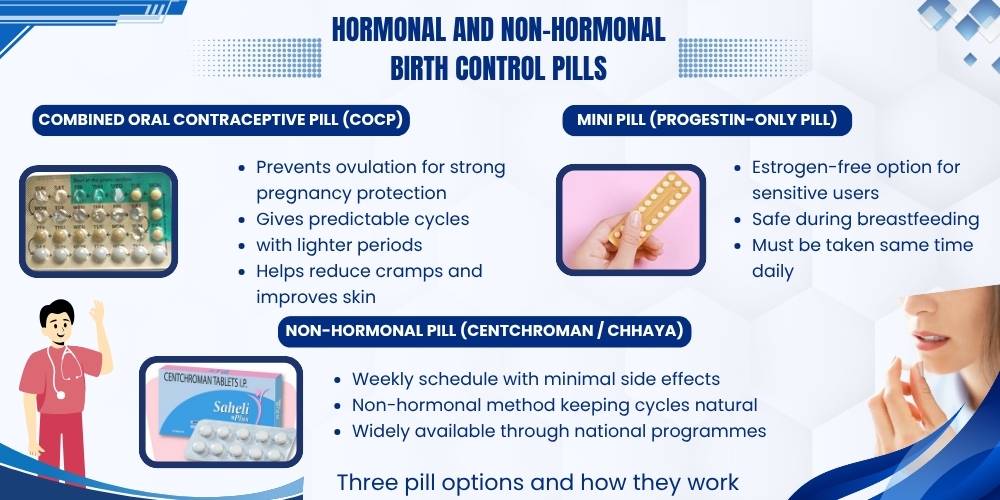
Combined pills contain both estrogen and progestin and are designed to prevent ovulation. They are a popular choice among women who want cycle control, better skin, lighter periods, and steady hormonal balance.
How it prevents pregnancy:
- Stops ovulation
- Thickens cervical mucus to block sperm
- Thins the uterine lining to prevent implantation

Who should avoid Estrogen?
These pills are not recommended for women with migraines with aura, smokers above thirty-five, or those with clotting disorders. Doctors often assess medical history before prescribing estrogen-containing pills.
Cycle control benefits
Combined pills help regulate periods, reduce cramps, lighten flow, and may improve acne. Many women also prefer the predictability they offer, especially when balancing work and personal commitments.
Progestin-Only Mini Pill
Mini pills contain only progestin and are ideal for women who cannot take estrogen. They are especially recommended during breastfeeding, since they do not affect milk supply and offer safe, effective protection.
Why breastfeeding women choose it?
- Estrogen-free
- Safe for postpartum use
- Does not reduce milk production
Timing accuracy: Mini pills must be taken at the same time every day. A delay of even three hours can reduce effectiveness, which is why doctors stress routine and consistency.
Non-Hormonal Pill (Centchroman / Chhaya)
The non-hormonal pill is a unique option offered in India. It works by altering how the uterus responds to hormones rather than changing hormone levels, making it suitable for women who prefer natural cycles.
Key advantages:
- Weekly pill schedule
- Light, non-hormonal mechanism
- Often chosen by women wanting minimal side effects
Why it is popular in India?
Government programmes distribute Chhaya widely, making it accessible and affordable for women who prefer non hormonal contraception.
Side Effects and Common Myths
Many concerns surrounding contraceptive pills come from misinformation. Most side effects are mild and temporary, and fertility typically returns quickly after stopping the pill.
Understanding Real Side Effects:
- Irregular spotting in the first few months
- Mild breast tenderness
- Temporary nausea
- No long-term impact on fertility

Myths that need correction:
- Pills do not cause permanent weight gain
- Stopping pills does not delay pregnancy long-term
- Taking pills does not harm future children
Key Insight: Birth control pills remain one of the most effective contraceptive options when used consistently. They offer cycle control, flexibility, and reliable protection, making them a preferred choice for millions of women across India.
IUD and LARC Methods: Highly Effective Contraception for Women
Long-acting reversible contraception offers some of the highest effectiveness among all birth control methods. These options work for several years, require minimal maintenance, and support long-term spacing for women who want reliable protection without daily routines.
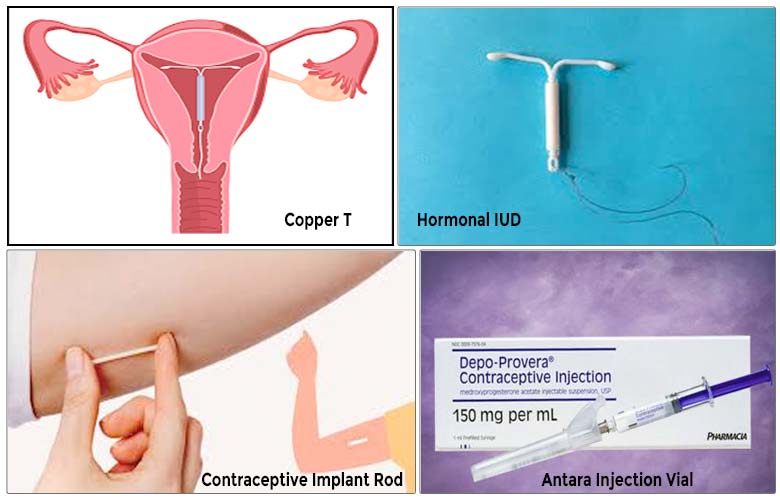
1️⃣ Copper IUD (CuT 380A/375)
The copper IUD is a hormone-free device placed inside the uterus. It releases copper ions that prevent sperm movement, making fertilisation extremely unlikely. Many women prefer it because it offers long-term protection without affecting natural hormone cycles.
Key features:
- Provides protection for five to ten years
- May cause heavier periods initially
- Can also be used as emergency contraception within five days of unprotected sex
These features make the copper IUD one of the most dependable non-hormonal options available today. Its long duration, effectiveness, and hormone-free mechanism explain why many women choose it over pills or short-term methods.
Why some women choose it:
Copper IUDs suit women who want a non-hormonal option, prefer long-term safety, or cannot use hormonal pills for medical reasons.
2️⃣ Hormonal IUD
A hormonal IUD works by gently releasing progestin within the uterus, helping prevent pregnancy and ease menstrual symptoms. This makes it a helpful choice for women with heavy periods or persistent discomfort.
Clinical benefits:
- Lighter, shorter periods
- Effective pain relief for heavy bleeding
- Supports women with endometriosis by reducing inflammation
Why women prefer it?
Hormonal IUDs combine long-term protection with improved menstrual comfort, which makes them a strong option for women balancing work, family, and daily life.
3️⃣ Injectables (Antara DMPA)
Injectable contraception offers three months of protection with one shot. It thickens cervical mucus and prevents ovulation, making it a convenient option for women who prefer not to take a pill daily.
Who Benefits Most from Injectable Contraception
Injectable contraception works best for women who want discreet, long-lasting protection without daily pills or frequent reminders.
- Women who want discreet contraception
- Those who prefer quarterly schedules
- Postpartum women once breastfeeding is established
Practical points
Like all contraceptive methods, injectables come with practical considerations that women should understand before choosing them. Knowing these points helps set clear expectations and ensures the method fits comfortably into daily routines and long-term plans.
- Requires timely injections every three months
- May cause delayed return of periods for some
4️⃣ Implants
The contraceptive implant is a small rod placed under the skin of the upper arm. It releases progestin and provides stable, long-term protection without daily effort.
Why Many Women Prefer the Contraceptive Implant
Many women choose the contraceptive implant for its long-term reliability, minimal maintenance, and steady protection that fits easily into busy routines without daily effort.
- Offers up to three years of protection
- Highly effective even with typical use
- Suitable for women wanting a low-maintenance method

Who the Contraceptive Implant Suits Most
The contraceptive implant works best for women who want long-lasting, low-maintenance protection that fits naturally into their health, lifestyle, and daily routine.
- Women who want highly effective, long-term contraception without daily effort
- Those who cannot use estrogen and need a progestin-only method
- Breastfeeding mothers who want safe, reliable protection
- Women seeking lighter or less frequent periods for added comfort
Who Should Consider LARC
Long-acting reversible contraception is ideal for women who want dependable, low-maintenance birth control and predictable long-term spacing.
Women who benefit most include:
- Postpartum women planning safe spacing after delivery
- Young women wanting stable, long-term protection
- Anyone preferring a method that does not require daily or frequent attention
Key Insight: LARC methods offer some of the highest effectiveness and convenience among all female contraceptive methods. They reduce daily mental load, support reproductive planning, and provide years of worry-free protection for women at different stages of life.
Also Read:
Permanent Birth Control Methods and Natural Alternatives
Permanent birth control methods provide lifelong protection by blocking pregnancy permanently, usually through simple surgical procedures for men or women. In India, these methods remain widely chosen, with female sterilization alone accounting for nearly 38 percent of contraceptive use.
We have worked closely with senior healthcare providers over the years. Their experience shows that these methods give couples lasting confidence.
1️⃣ Tubectomy (Female Sterilization)
Tubectomy is the most common permanent birth control method in India. It offers long-term protection for women who do not wish to conceive again. The procedure blocks or cuts the fallopian tubes, preventing the egg and sperm from meeting.
Safe, Effective, and Lifelong Birth Control
Tubectomy remains one of the safest and most effective permanent birth control choices for women in India. Understanding its recovery, success rate, and long-term impact helps women make informed and confident decisions about their reproductive future.
What women should know:
- Tubectomy is more than 99 percent effective
- Recovery usually takes a few days with minimal restrictions
- It does not affect hormones, libido, or menstrual cycles
This method suits women who are certain about completing their families and want reliable, lifelong protection.
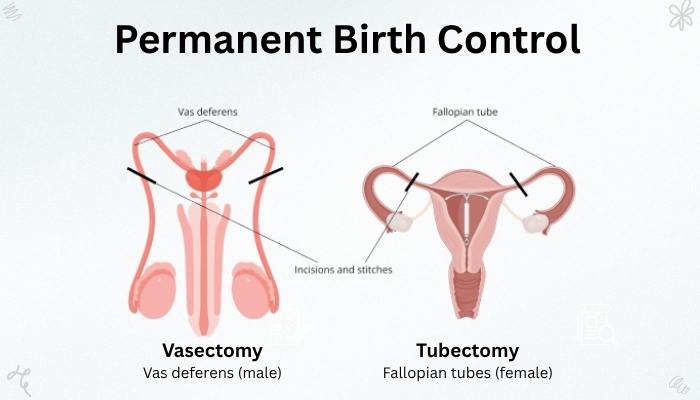
2️⃣ Vasectomy (Male Sterilization)
A vasectomy is a simple, quick procedure that provides permanent contraception for men by blocking the sperm-carrying tubes. Despite the myths surrounding it, vasectomy does not affect sexual performance, erections, or masculinity.
Key points:
- Highly effective and safer than female sterilization
- Requires only a short recovery period
- Misconceptions often stop men from choosing it, despite its advantages
It is a safe, low-risk option for couples where the male partner prefers to take responsibility for contraception.
3️⃣ Natural Birth Control Methods
Natural birth control methods rely on understanding the body’s fertility patterns rather than using devices or medication. They require consistency, accurate tracking, and strong awareness of menstrual cycles to work effectively.
- Calendar Method: Tracks fertile and infertile days based on cycle length. Works only for women with regular periods and needs disciplined month-by-month monitoring for accuracy.
- Fertility Awareness: Observes cervical mucus, basal temperature, and cycle patterns to identify fertile windows. Effective only when tracked daily and practiced with proper education and consistency.
- Withdrawal Method: Depends on withdrawing before ejaculation, but timing is difficult and pre-ejaculate may contain sperm. Offers no protection from infections and carries higher pregnancy risk. The overall withdrawal method reliability remains low because timing errors are common, and pre-ejaculate may contain sperm.
These natural methods may suit women who prefer non-invasive options, but their reliability varies and they require consistent, careful practice to be effective.
4️⃣ Emergency Contraception
Emergency contraception is meant only for unexpected situations such as unprotected sex or method failure. It is safe when used correctly but not intended for regular or frequent use due to reduced effectiveness over time.
Emergency contraception (EC) can prevent up to over 95% of pregnancies when taken within 5 days after intercourse- WHO
Choosing the Right Birth Control Method
Choosing the right birth control method depends on your health, routine, comfort, and family plans. With so many options available, the process becomes easier when you know what truly matters for your body and lifestyle.

What to consider before choosing a method
- Your health history – Conditions like migraines, blood pressure issues, or thyroid imbalance influence which methods are safest.
- Your menstrual pattern – Women with heavy bleeding may prefer hormonal IUDs, while others want hormone-free options.
- Your daily routine – If you often forget pills or travel frequently, long-acting methods offer more reliability.
- Your family planning goals – Short spacing vs long-term protection leads to different choices.
- Your comfort level – Some women prefer pills, while others are comfortable with insertions or injectables.
- Your preference for hormones – Many women specifically seek hormone-free birth control or want predictable cycles.
- Your need for dual protection – If STI protection is important, condoms must be included.
Choosing birth control should feel clear, not confusing. When you understand your needs and ask the right questions, it becomes easier to decide which method supports your wellbeing, confidence, and long-term health.
Also Read:
- Cervical Cancer Prevention in India: Screening and HPV Vaccination
- The Complete Guide to Abortion Care: Safety, Science, and Global Context
- Magnesium Benefits for Women: A Lifelong Ally for Hormones, Bones, and Energy
FAQs: Birth Control Methods
Which contraceptive method is safest for long-term use?
Long-acting reversible contraception like IUDs and implants are among the safest long-term options. They offer over 99 percent effectiveness, work for several years, and reduce daily effort. Your health history and comfort guide the final choice.
Are birth control pills safe for everyday use?
Yes, birth control pills are safe for most women when taken consistently. They regulate cycles, reduce cramps, and prevent pregnancy effectively. A doctor will assess migraines, blood pressure, and other conditions before recommending the right pill.
Can emergency contraception replace regular birth control?
No. Emergency contraception is only for unexpected situations such as unprotected sex or method failure. It should not replace regular birth control because effectiveness is lower and timing is critical. Routine contraception offers safer, more reliable protection.
How do I know which contraceptive is best for me?
The best method depends on your health, lifestyle, hormone preference, and family planning goals. A doctor can guide you based on safety, convenience, and long-term needs. Reflecting on your daily routine and comfort makes the decision easier.
Conclusion
Choosing the right birth control methods is one of the most important decisions a woman can make for her health, wellbeing, and long-term confidence. When women understand their options clearly, they are able to choose safe contraceptive choices that match their lifestyle, future plans, and comfort.
Modern methods are effective, accessible, and designed to support reproductive autonomy, but guidance matters. Speaking to a certified OBGYN helps you understand what is medically safe for your body. With the right counselling, every woman can choose a safe contraceptive choice that aligns with her.
At TrendVisionz, our goal is to make women’s health knowledge simple, trustworthy, and empowering. Explore more evidence-based resources on women’s wellness, and stay tuned for upcoming insights.
Stay Connected with Me
Namita Mahajan is a Lifestyle Influencer, Digital Strategist, and Womenpreneur empowering self-reliance and creativity through storytelling and digital presence.
As Director of Nuteq Entertainment Pvt. Ltd. and Co-Founder of TrendVisionz, she brings together media experience, empathy, and innovation to build purposeful brands.
- Explore our work: Nuteq Entertainment | TrendVisionz | About the Authors
- Read our newsletters: Transforming Lives | BizTech Chronicle | Nuteq Newsline
- Guest writer: BizCatalyst360 | Praja Today
- Join the community: Go Mindfulness: Practices for Professionals Coached
- Connect with me: LinkedIn | Twitter | #StoryforBusiness
- Share your review: Leave your review on Google — your feedback helps us grow.
- Listen on Spotify: Leadership Podcast | Guided NLP | Daily Motivation
Believe. Practice. Perform. Let’s create impact together.
✍️ A Note from the Editor
At TrendVisionz, we craft every article with intention—guided by insight, empathy, and the belief that stories can empower change. Our content remains open and free, because knowledge should be accessible to everyone.
If our work inspires you, we’d be deeply grateful for your support. Even $10/month helps us continue creating stories that inform, uplift, and inspire.
💛 Support our work: Contribute via PayPal or write to us at anujmahajan@trendvisionz.com to set up your monthly support.
Thank you for believing in independent storytelling. — Editor


16 comments
Interesting point — do you have any sources where I can read more?
This post is a great starting point for anyone new to the subject.
Hi there to all, for the reason that I am genuinely keen of reading this website’s post to be updated on a regular basis. It carries pleasant stuff.
I just like the helpful information you provide in your articles
Super helpful — bookmarked for future reference.
Excellent explanation — the visuals were worth a thousand words.
Thank you for the clear roadmap — it makes the process less intimidating.
Nice work! I shared this with colleagues who will appreciate it.
Good insights and practical suggestions. Thanks for publishing this.
Strong points and clear examples. Please write more on this topic.
This cleared up a lot of uncertainty — I feel more confident now.
This article is well-researched and clearly written. Appreciate the effort!
I love the personal examples — they made the advice relatable.
Very helpful explanation — I learned several useful techniques.
Speed Up Your Workflow: Find Files Instantly Today
[…] shifted her ovulation unexpectedly, she felt anxious and unsure. The gynaecologist explained that birth control measures are not guesswork. It is consistent menstrual cycle tracking, body awareness, and informed […]
Comments are closed.