
Swasti sat in the corner of a noisy café, staring at a half-typed message she still could not send. She had met him only three times, yet modern dating already seemed to demand certainty. Reply quickly. Define the relationship. Do not appear too interested, but do not disappear either. Somewhere between attraction and anxiety, modern dating had started feeling less like connection and more like performance.
Across India, many Gen Z are quietly stepping away from that pressure. They are not rejecting relationships. Instead, Gen Z dating behaviour is shifting toward slow dating, no-label dating, and authentic dating connections that grow without forced timelines. The trend now has a name: wildflowering. Letting relationships unfold naturally without rushing labels or outcomes.

Over years of coaching young professionals through emotional clarity and conversations on my mindfulness podcast, I have noticed one pattern repeatedly. The exhaustion beneath modern relationships is rarely only romantic. It reflects a deeper emotional fatigue.
This article explores why wildflowering is rising in 2026 and what it reveals about mindfulness, emotional safety, and modern dating itself.
Also Read:
- Patal Bhuvaneshwar Cave: Where Myth, Mindfulness, and Shiva Converge
- Gen Z’s Bhajan Jamming Club: The New Face of Spirituality in India
- Agentic AI in Education: India’s Governance Architecture Before the Technology
The Pressure Economy of Modern Dating
The unspoken rules of the dating app era arrived without consent. Reply within an hour. Define the relationship by month two. Post the soft launch by month four. A whole generation grew up dating to a clock.
Studies on dating app behaviour1 show increasing links between swipe-based interactions, emotional fatigue, self-perception pressure, and relationship anxiety among young adults using modern dating platforms.
Modern dating became exhausting because it stopped being about connection and became about performance. The pressure economy of dating in 2026 runs on speed, clarity, and constant visibility. Three things real intimacy has never asked for.
How Dating Apps Reshaped Expectations
Dating apps did not just digitise dating. They industrialised it. Every profile became a pitch. Chat became a test of wit. Every match carried an unspoken deadline.
The three-day reply rule became Twitter discourse. The soft launch on Instagram became a cultural milestone. Profile curation turned into a part-time job. Availability had to be performed, not just felt. According to a Forbes on dating app fatigue, nearly four in five users report some form of burnout. The numbers tell the story before any coaching session does.

How Dating App Behaviour Turns Into Self-Doubt
The deeper problem is not the apps. It is the loop they create. Am I impressive enough. Fast enough. Defined enough. Interesting in the right way at the right hour.
A young client of mine described it well last year. She said dating had started feeling like a quarterly performance review with someone she barely knew. That is not connection. That is mental noise wearing a relationship costume. Mindfulness teaches that real presence cannot survive constant self-evaluation. Neither can love.
The cost of treating connection like a checklist is invisible at first. Then it shows up everywhere. In tired conversations. In avoided messages, or in a generation quietly running out of patience.
What Wildflowering Really Means
Modern dating in 2026 is slowly moving away from urgency and toward emotional breathing space. Many Gen Z daters no longer want relationships built around fixed timelines, constant reassurance, or pressure to define every interaction immediately. Instead, they are choosing slower, more intentional connections that feel emotionally sustainable.
A recent user response shared through QuackQuack captured this shift perfectly:
“Let love grow freely, like wildflowers.”
The phrase quickly became associated with wildflowering, a dating trend built around allowing relationships to unfold naturally without forcing labels, outcomes, or emotional performance before genuine comfort develops.
Wildflowering is the choice to let connections grow at their own pace, without forcing definitions or outcomes. Unlike situationships, which often survive on confusion or inconsistency, wildflowering still values honesty and emotional clarity. The difference lies in pace, not intention.

A recent observation explains the emotional shift behind wildflowering clearly:
Wildflowering reflects a shift toward non-calculated interactions where people allow relationships to evolve naturally instead of forcing timelines and outcomes. — Ravi Mittal, Founder and CEO, QuackQuack
That behavioural shift is becoming increasingly visible across Gen Z dating patterns in 2026. There is less urgency to label relationships, less pressure to perform certainty, and greater focus on authentic dating connections built through emotional safety, intention, and natural unfolding.
Sometimes relationships grow stronger when nobody keeps pulling at them for proof. Like wildflowers, they settle into place when given enough space, patience, and emotional acceptance.
How Gen Z Is Redefining Connection
Modern relationships are no longer being shaped by fixed social timelines alone. Gen Z dating culture is increasingly built around emotional comfort, self-awareness, and personal rhythm instead of external pressure. The shift may appear subtle on the surface, but it is changing how modern dating itself is being understood in 2026.
Shrekking is a Gen Z dating trend where people choose low-pressure, comfort-led dates like staying indoors, watching movies, eating casually, or spending quiet time together instead of performative outings designed mainly for social media validation or relationship optics.
Authenticity Over Curation
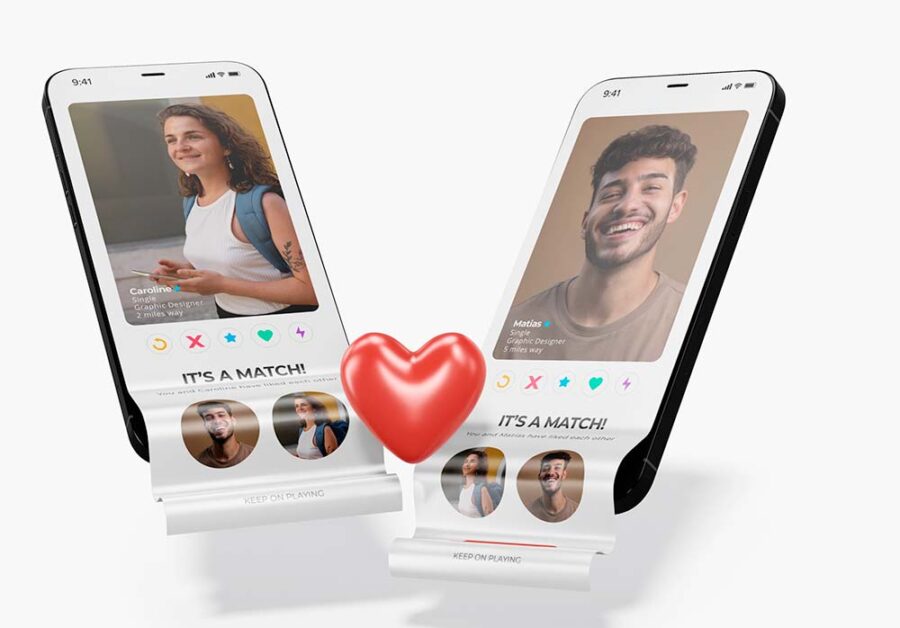
The perfect bio is dying. The carefully filtered first photo is losing its power. A generation raised on Instagram has started pushing back against its own polish.
Friends-first dating is replacing performative chemistry. Long voice notes are replacing witty one-liners. Imperfect honesty has become more attractive than impressive packaging. In coaching conversations, I hear the same line often. They tell me they would rather be seen than impressive.
Individual Rhythm Over Social Rules
There is no universal playbook anymore. Each person sets their own pace. Some date for months without putting a name to it. Others define things in week one and feel calm about it.
Trends like shrekking and no-label relationships show the wider pattern. Gen Z is rewriting multiple dating scripts at once. Not for rebellion. For self-protection. The mindful instinct underneath every trend is the same one driving wildflowering — clarity from within, not from convention.
When a generation stops asking permission, the rules quietly change. Modern dating is not breaking. It is being rewritten in a softer hand.
The Mental Health Layer Beneath the Wildflowering Trend
Many Gen Z daters slowing down in relationships are also emotionally exhausted everywhere else. Between financial pressure, career anxiety, digital overwhelm, and rising stress levels, modern dating is increasingly becoming the one space where they no longer want urgency, emotional performance, or constant pressure.
This year’s survey spotlights two generations who are grappling with financial insecurity, high stress levels, and mounting climate anxiety. They are also considering how rapidly evolving technology, like GenAI, will impact their jobs and their longer-term career decisions — Elizabeth Faber, Deloitte Global Chief People & Purpose Officer
Wildflowering matters because it protects emotional energy in a generation already stretched thin everywhere else. Slow dating and low-pressure relationships reduce anxiety, emotional exhaustion, and the pressure to constantly perform emotional certainty.
- Gen Z stress levels: A 2025 Deloitte survey 2found nearly 40% of Gen Z respondents feel stressed or anxious most of the time.
- Burnout spillover: The World Health Organization classifies burnout as chronic unmanaged stress, and that fatigue increasingly affects modern relationships.
- Dating burnout signs: Endless swiping, ghosting fatigue, and emotionally inconsistent conversations have made many young adults emotionally cautious.
- Authentic dating connections: Emotional calm and psychological safety now feel more attractive than fast emotional intensity.
- Intentional over impulsive: Many Gen Z daters are slowing down to build emotional clarity before emotional escalation.
- No-label dating: Some relationships now develop gradually while still maintaining honesty and mutual understanding.
- Modern dating shift: Emotional patience is replacing social pressure as a sign of maturity and emotional awareness.
Burnout is chronic unmanaged stress marked by exhaustion, emotional distance, and reduced emotional effectiveness. For many Gen Z adults, that emotional fatigue now extends beyond work and quietly shapes modern relationships as well — World Health Organization3

What looks like a dating trend on the surface is often a generation protecting its inner life. Sometimes emotional wellbeing begins when people stop forcing themselves to move faster than they emotionally can.
Also Read:
FAQ: Modern Dating India
What is the wildflowering dating trend in 2026?
Wildflowering is a modern dating trend where people allow relationships to grow naturally without forcing labels, timelines, or emotional pressure. The trend reflects Gen Z’s shift toward slow dating, emotional safety, and authentic dating connections built through comfort, honesty, and gradual trust.
What is the difference between situationships and no-label dating?
Situationships usually involve emotional ambiguity, inconsistent communication, or unclear expectations between two people. No-label dating, by contrast, can still involve honesty and mutual understanding. The difference lies in emotional clarity. One avoids definition through confusion, while the other chooses pace intentionally.
Is dating without labels healthy for mental wellbeing?
Dating without labels can support mental wellbeing when both people communicate honestly and feel emotionally secure within the connection. Low-pressure relationships often reduce anxiety created by forced timelines, especially for Gen Z daters already experiencing emotional fatigue and dating burnout signs.
Conclusion
Wildflowering is not just another dating trend shaped by social media language or Gen Z behaviour. It reflects a deeper generational shift toward awareness in a world that constantly rewards urgency, emotional performance, and immediate certainty. Young people are not abandoning connection. They are redefining the pace at which it develops.
That is why the conversation around modern dating matters beyond relationships themselves. The instinct underneath wildflowering mirrors the same lesson mindfulness has taught for decades. Real connection, whether in love, friendship, or personal growth, cannot survive under constant pressure. Emotional safety, presence, and space are not weaknesses. They are foundations.
Older generations may see hesitation where Gen Z sees emotional clarity. But sometimes growth becomes healthier when people stop forcing outcomes before understanding themselves first. The softer approach may actually be the wiser one.
Explore more awareness-led stories and emotional wellbeing insights through the Mindfulness category on TrendVisionz.
Additional Resource:
- Castro Á, Barrada JR. Dating Apps and Their Sociodemographic and Psychosocial Correlates: A Systematic Review. Int J Environ Res Public Health. 2020 Sep 7;17(18):6500. doi: 10.3390/ijerph17186500. PMID: 32906632; PMCID: PMC7557852. ↩︎
- Deloitte. (2025). 2025 Gen Z and Millennial Survey. Deloitte Insights. ↩︎
- World Health Organization. (2019). Burn-out an occupational phenomenon: International Classification of Diseases. ↩︎
Stay Connected with Me:
Anuj Mahajan is a senior marketing and communication professional with over three decades of operating experience across complex business environments. A business and media operator at core, he uses structured storytelling to sharpen judgement, strengthen communication architecture, and reinforce leadership discipline that drives sustainable growth. An ICF-ACC Certified Coach and seasoned corporate trainer, he works closely with leaders and organisations to translate strategy into consistent execution and measurable business outcomes.
- Explore my work: Nuteq Entertainment | TrendVisionz | Author Profile
- Read our newsletters: Transforming Lives | BizTech Chronicle | Nuteq Newsline
- Guest writer: BizCatalyst360 | Praja Today
- Books: Go Mindfulness: Practices for Professionals Coached
- Join the community: LinkedIn Group – Digital Marketing & Content Creation World
- Connect with me: LinkedIn | Twitter | #StoryforBusiness
- Share your review: Leave your review on Google — your feedback helps us grow.
- Listen on Spotify: Leadership Podcast | Guided NLP (7 Episodes) | Daily Motivation – 21 Episodes
Believe. Practice. Perform. Let’s create impact together.
✍️ A Note from the Editor
Independent storytelling thrives with you. Contribute $15/month via PayPal or email us at anujmahajan@trendvisionz.com. [Guest write for us — Free or Paid.]


1 comment
Very well presented. Every quote was awesome and thanks for sharing the content. Keep sharing and keep motivating others.
Comments are closed.