
Supriya, whom I knew through a neighbour, had dealt with irregular periods, acne and tiredness for years. Over time, those seemingly separate changes began to feel less random. Together, they raised a wider question about women’s hormones and whether the body was signalling one connected pattern.
Polyendocrine metabolic ovarian syndrome, formerly called polycystic ovary syndrome (PCOS), is a whole-body hormonal and metabolic condition. It affects approximately 1 in 8 women of reproductive age. Research suggests that PMOS affects roughly 6.3% of teenage girls1 worldwide, making early recognition especially important.
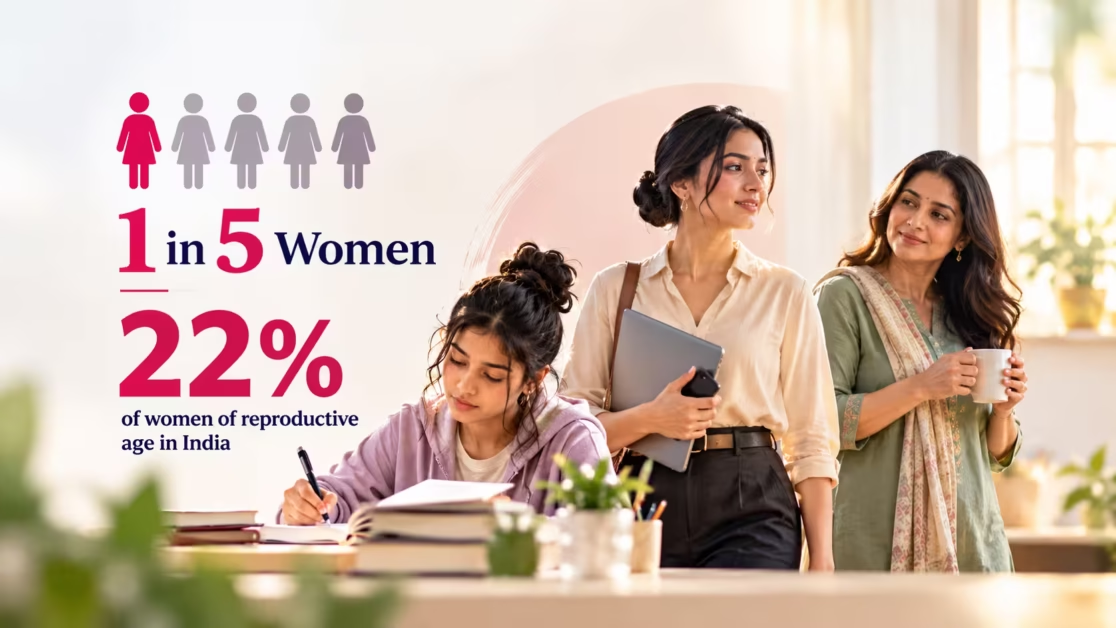
Throughout my media journey, I have remained a strong advocate for women’s self-reliance. Working alongside healthcare providers has connected me with women across different life stages. Their experiences have shown how family, work, confidence and wellbeing can shape the way women understand and respond to their health.
In this edition, I explore how women’s hormones, metabolism and reproductive health connect across life stages. I also share how practical lifestyle choices can support better health adolescence, reproductive years and midlife.
Also Read:
- Glycemic Load vs Glycemic Index: Why Portion Size Matters After 40
- Medical Aesthetic Clinics: A Modern Approach to Dental, Skin, and Hair Care
Women’s Hormones Signal Change Before a Diagnosis
In conversations with women across different life stages, I have often noticed that health changes are rarely experienced in neat categories. A cycle shift may appear alongside skin, energy or weight changes. That is why a hormonal imbalance is often better understood as a pattern, not a single symptom.
Women’s hormones influence many connected body functions. Changes such as irregular periods and recurring acne do not confirm a hormonal disorder on their own. However, when they persist or appear together, they can signal a wider hormonal pattern that may need medical attention.
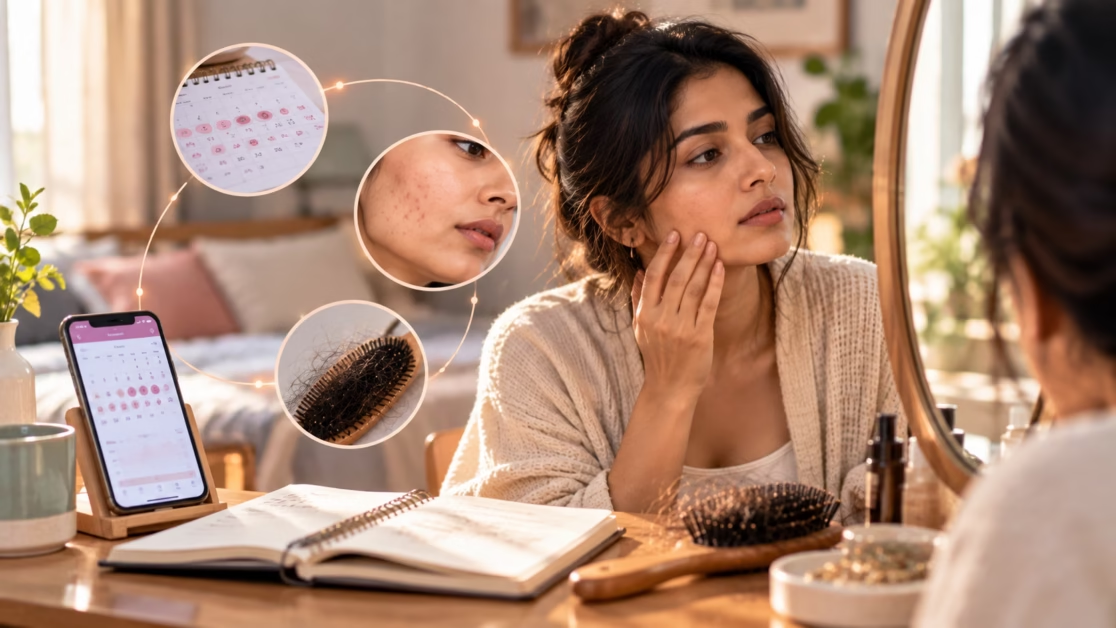
One Hormonal Shift, Many Body Signals
Female hormones influence more than periods. Because they interact with several body systems, one hormonal shift can sometimes appear through different changes at the same time.
- Menstrual cycle: Hormonal changes can affect timing, regularity and ovulation.
- Skin and hair: The same shift may influence acne, oiliness or hair changes.
- Energy and mood: Hormones can also affect sleep, stress response and daily energy.
- Metabolism: They may influence appetite, glucose handling and weight patterns.
The key is not to read each sign alone, but to notice when several changes begin appearing together.
PMOS Can Connect Signs That Seem Unrelated
PMOS is one condition where hormonal, metabolic and reproductive changes can overlap. Irregular periods may appear alongside acne because the same underlying hormonal changes can influence both ovulation and the skin. That wider pattern is also why PMOS is now understood as more than an ovarian or fertility issue.
This is why hormonal health is easier to understand when we look beyond one symptom at a time. PMOS does not explain every irregular period or skin change, but it shows how different signs can sometimes belong to one connected health pattern.
Having seen how long Supriya lived with separate concerns before anyone connected them, I believe the real value lies in noticing what keeps returning. For mothers and young women, that awareness can make the next conversation with a doctor more informed and timely.
PMOS Symptoms Often Begin in the Teenage Years
PMOS symptoms do not look the same in every girl or woman, which is why they can easily go unnoticed. A single change may seem ordinary, but a repeat symptom deserves closer attention.

Common PMOS Symptoms Women Notice
PMOS often develops gradually. Many women adjust to the changes, manage them one by one, or assume they are unrelated.
- Cycle changes: Irregular menstrual cycles, delayed or missed periods are common. But some women with PMOS can still have regular cycles. This is why periods alone cannot confirm or rule out the condition.
- Skin and hair: Higher androgen levels may show up through persistent acne, increased facial or body hair, or gradual thinning of scalp hair.
- Weight, energy and mood: Some women notice weight changes, ongoing tiredness, mood shifts or lower confidence. Women with a normal BMI can also have PMOS. Because the condition is still widely associated with excess weight, lean women may be overlooked or diagnosed later.
In teenagers, irregular periods or acne alone do not confirm PMOS. What matters is the pattern, how long it persists, and whether other hormonal signs are present. Diagnosis needs careful clinical assessment because normal puberty can sometimes look similar — Dr. Madhu Goel, Senior Consultant, Obstetrics & Gynaecology
Dr Madhu’s point is especially relevant for mothers and teenage girls: PMOS is not confirmed by one symptom or test. Doctors use the Rotterdam criteria. Persistent patterns in teens should prompt proper clinical assessment.
Early Signs in Adolescence Deserve Attention
PMOS signs can begin around puberty, often from ages 10–15, when normal hormonal changes are already affecting periods, skin and hair. Mothers and daughters should notice what persists, not just what seems common.
- Menstrual changes: Repeated irregularity or significant changes in bleeding patterns should not be ignored.
- Adolescent context: Puberty brings wider physical and emotional changes too. Understanding adolescent health helps families view these signs within the teenager’s overall wellbeing.
- Emotional impact: Acne and excess hair growth can also affect confidence and social comfort.
Teenage girls may often wonder, “When should I speak to a doctor?” The Solution is simple: irregular periods, severe acne, excess hair growth, or several changes appearing together.
Hormones, Metabolism and Fertility Work as One System
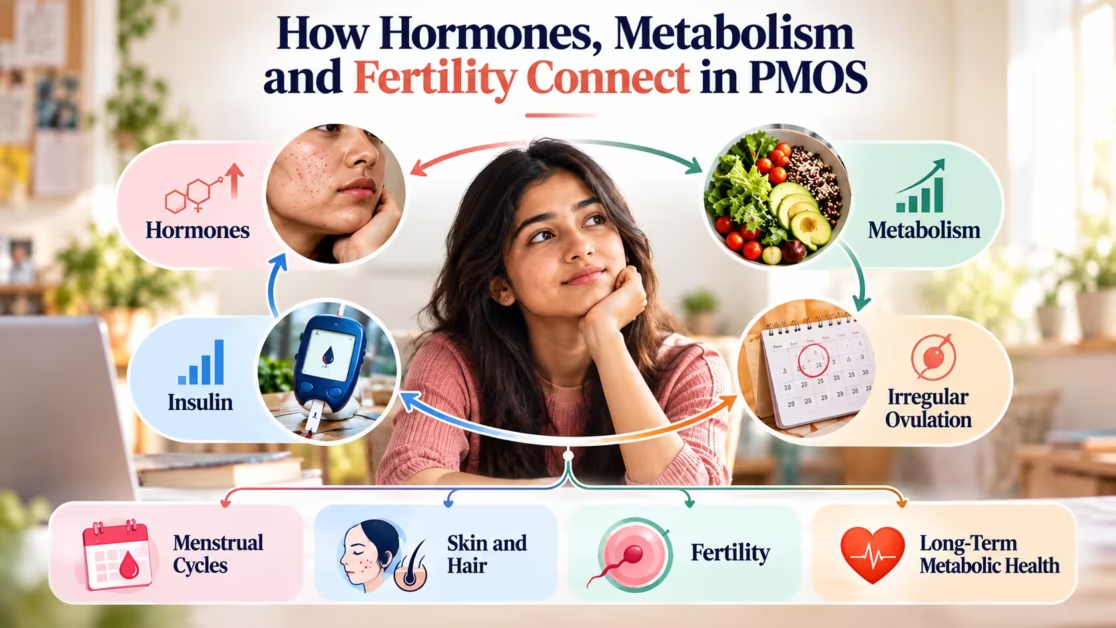
PMOS is not only about the ovaries. Hormonal health and metabolic health often influence each other. This is the reason why changes in one area can affect periods, energy or fertility. Insulin resistance can be part of this picture, but it is only one piece of a wider pattern.
Polyendocrine metabolic ovarian syndrome is a long-term hormonal and metabolic condition. It can involve higher androgen levels, irregular ovulation2 and insulin resistance. Together, these changes may influence menstrual cycles, skin, fertility and long-term metabolic health.
Androgens and Ovulation Shape Fertility
Androgens are hormones that women naturally produce in smaller amounts. When androgen levels rise, they can disturb regular ovulation and menstrual cycles. This can affect reproductive health, although the degree varies from one woman to another.
I was sitting with Dr Madhu when one of her patients asked, “Can I still get pregnant if I have PCOS?” It was a simple question, but one many women quietly carry. Many women with PMOS can become pregnant, although irregular ovulation may make conception take longer for some.
PMOS and fertility are not the same story. Fertility is only one part of PMOS. If conception becomes difficult, clinical evaluation comes first, followed by suitable fertility treatment options where needed.
How are women’s hormones connected to metabolic health?
Women’s hormones and metabolism influence each other. Insulin helps regulate blood glucose, while insulin resistance can raise insulin levels. In PMOS, this interaction may affect androgen activity and ovulation, linking metabolic changes with menstrual and reproductive health.
This is why metabolism should not be viewed as a separate issue. In PMOS, it can form part of the same hormonal picture, which also explains why everyday lifestyle choices matter in management.
Also Read:
Insulin Resistance Reversal: A Complete, Science-Backed Guide
Insulin Resistance & Prediabetes: All You Need to Know
Lifestyle Changes Support PMOS Management
Lifestyle3 is an important part of PMOS management, but it does not cause or cure the condition. PMOS affects women across different body types. For women with obesity, excess weight can worsen insulin resistance and hormonal symptoms, making sustainable daily habits especially important.
The New Name Reflects a Wider Picture
The shift from polycystic ovary syndrome (PCOS) to polyendocrine metabolic ovarian syndrome 4(PMOS) reflects a broader understanding of the condition. The older name focused heavily on the ovaries, while the newer term recognises that hormonal and metabolic health are also part of the picture.
For women, this matters because PMOS is not only about periods or ovarian changes. The wider view also explains why everyday lifestyle habits can become a practical part of PMOS management without being presented as a cure.
Doctors hope the clearer name will improve recognition and encourage more complete care that considers hormonal, metabolic and ovarian health together.
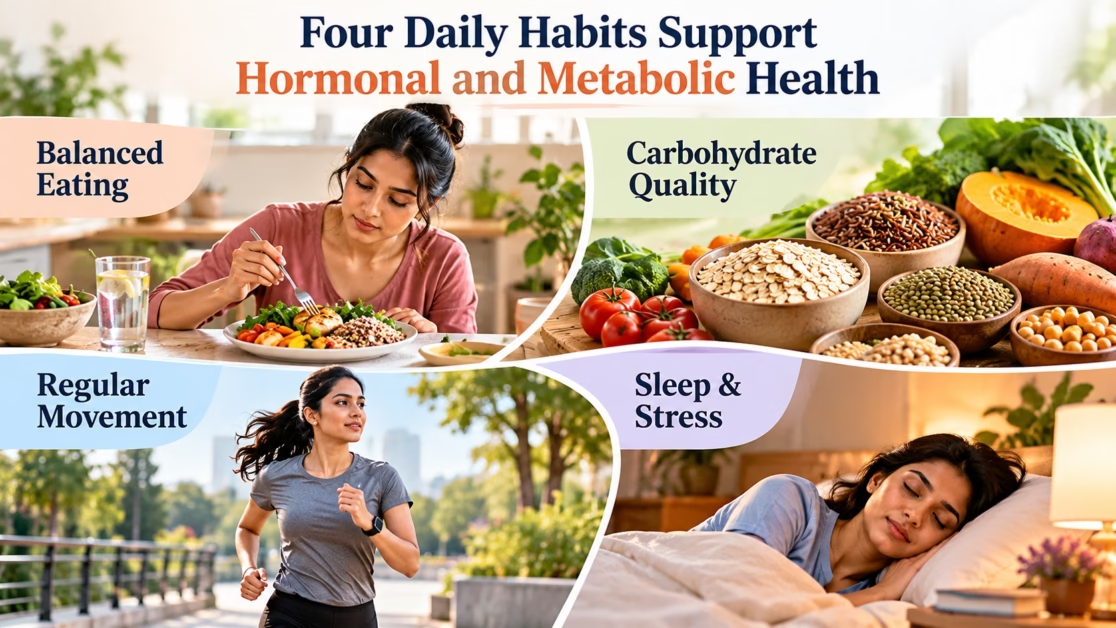
Four Daily Habits Support Hormonal and Metabolic Health
Daily habits can support hormonal and metabolic health in practical ways. The focus should be on consistency rather than short-term fixes or extreme routines.
- Balanced eating: There is no single “PMOS diet” that suits every woman. A healthy diet for women should focus on nutritious, minimally processed foods and regular meals that are realistic to maintain.Women’s nutritional needs also include essential minerals such as magnesium.
- Carbohydrate quality: Choosing dietary fibre can help support steadier blood-glucose responses. Paying attention to glycemic load can also support better metabolic health.
- Regular movement: Consistent activity can support fitness, energy and metabolic health, even when weight loss is not the main goal.
- Sleep and stress: Enough sleep, proper recovery and practical stress management can support overall wellbeing and make healthy routines easier to sustain.
For PMOS, the goal is not perfection. Sustainable habits can support hormonal and metabolic health. But they work best alongside appropriate medical care and should reflect each woman’s symptoms, health needs and life stage.
PMOS Awareness Protects Long-Term Women’s Health
PMOS awareness matters even when pregnancy is not part of a woman’s current plans. The condition can affect metabolic health, emotional wellbeing and reproductive health over time, which is why recognising the wider pattern matters beyond periods alone.
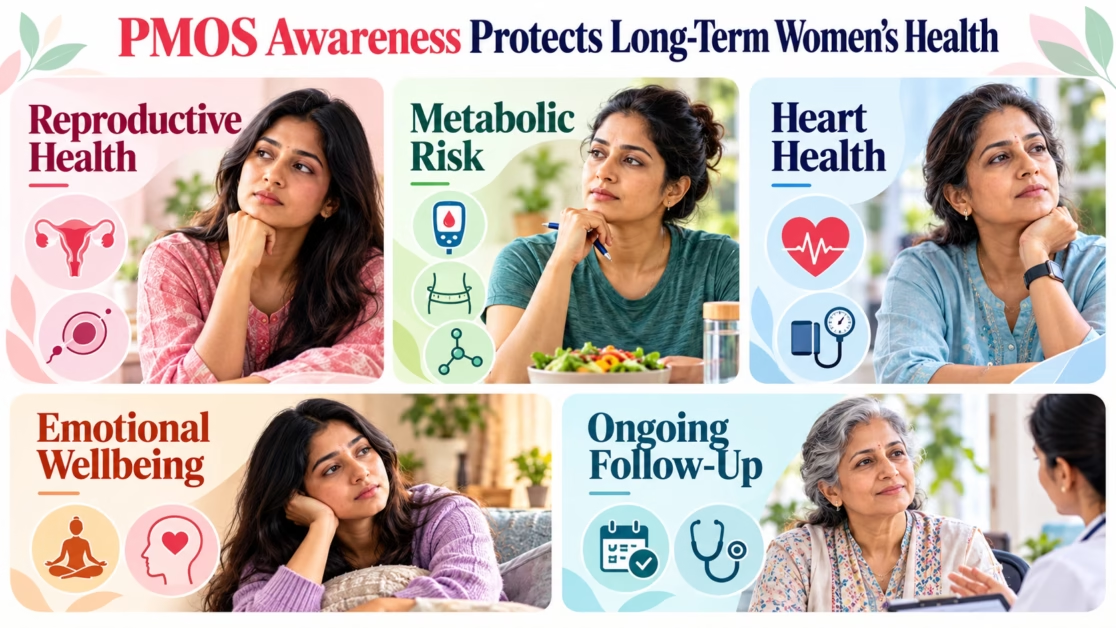
- Metabolic risk: PMOS can be linked with insulin resistance and a higher long-term risk of type 2 diabetes. Understanding these metabolic risk factors also makes discussions around prediabetes and regular monitoring more relevant.
- Heart health: PMOS may also be associated with cardiovascular risk over time. Awareness helps women understand why blood pressure, weight patterns, glucose levels and other health markers may need attention as they grow older.
- Emotional wellbeing: Acne, excess hair growth, body changes or fertility concerns can affect confidence and social wellbeing. These effects may continue beyond the teenage years and deserve the same seriousness as physical symptoms.
- Reproductive health: Irregular ovulation can influence reproductive planning for some women. Understanding this early gives women more time to discuss reproductive health choices with a doctor when those decisions become relevant.
- Ongoing follow-up: PMOS is a long-term condition, although symptoms can change across life stages. After menopause and into the 60s, menstrual symptoms may fade, but metabolic and cardiovascular risks can remain relevant. Follow-up should reflect current health needs.
Awareness can turn disconnected changes into better health decisions. When women understand the wider pattern, they are more likely to seek timely care, monitor long-term risks and make informed choices as their needs change.
FAQs: Women’s Hormones
PCOS was renamed Polyendocrine Metabolic Ovarian Syndrome (PMOS) in May 2026 after a global consensus led by Professor Helena Teede of Monash University and international experts. The new name reflects that the condition affects hormones, metabolism and the ovaries, not just ovarian “cysts.”
A daughter does not simply “inherit PCOS,” but her risk can be much higher. Research suggests daughters of women with PCOS may face about a fivefold increased risk, with some studies estimating a 50–70% likelihood. That risk reflects the combined influence of multiple genes, hormones, metabolism and environmental factors.
Yes. Under the Rotterdam criteria, doctors look for two of three features: irregular ovulation or periods, higher androgen levels, or polycystic ovaries on ultrasound. So PCOS can still be diagnosed even when ovarian cysts are not seen.
Also Read:
Conclusion
Changes like irregular periods, acne, tiredness or weight shifts may seem unrelated at first. Over time, they can reveal how closely women’s hormones, metabolism and reproductive health are connected.
Early recognition, sustainable habits and appropriate medical guidance can make PMOS easier to manage. The goal is not perfection or quick fixes, but informed choices that women can realistically maintain.
For me, understanding what the body keeps communicating is empowering. It helps women ask better questions, seek timely care and make confident health decisions through adolescence, reproductive years and later life.
Explore more Health insights on TrendVisionz. Discover our Women, Pregnancy & Family Health coverage. We share practical guidance for hormonal wellbeing through every stage of a woman’s life.
Additional Resources:
- Adriana C H Neven, Maria Forslund, Sanjeeva Ranashinha, Aya Mousa, Chau Thien Tay, Alexia Peña, Sharon Oberfield, Selma Witchel, Helena Teede, Jacqueline A Boyle, Prevalence and accurate diagnosis of polycystic ovary syndrome in adolescents across world regions: a systematic review and meta-analysis, European Journal of Endocrinology, Volume 191, Issue 4, October 2024, Pages S15–S27, ↩︎
- Sasaki RS, Approbato MS, Maia MC, Fleury EA, Giviziez CR, Zanluchi N. Patients’ auto report of regularity of their menstrual cycles. Medical history is very reliable to predict ovulation. A cross-sectional study. JBRA Assist Reprod. 2016 Aug 1;20(3):118-22.PMID: 27584603; PMCID: PMC5264375. ↩︎
- Lim SS, Hutchison SK, Van Ryswyk E, Norman RJ, Teede HJ, Moran LJ. Lifestyle changes in women with polycystic ovary syndrome. Cochrane Database of Systematic Reviews 2019, Issue 3. Art. No.: CD007506. DOI: 10.1002/14651858.CD007506.pub4. Accessed 29 September 2026. ↩︎
- Teede H, Khomami M, Morman R et al. Polyendocrine metabolic ovarian syndrome, the new name for polycystic ovary syndrome: a multistep global consensus process. The Lancet, 2026; 407, 2329-2339 ↩︎
Stay Connected with Me
Namita Mahajan is a Lifestyle Influencer, Digital Strategist, and Womenpreneur empowering self-reliance and creativity through storytelling and digital presence.
As Director of Nuteq Entertainment Pvt. Ltd. and Co-Founder of TrendVisionz, she brings together media experience, empathy, and innovation to build purposeful brands.
- Explore our work: Nuteq Entertainment | TrendVisionz | About the Authors
- Read our newsletters: Transforming Lives | BizTech Chronicle | Nuteq Newsline
- Guest writer: BizCatalyst360 | Praja Today
- Join the community: Go Mindfulness: Practices for Professionals Coached
- Connect with me: LinkedIn | Twitter | #StoryforBusiness
- Share your review: Leave your review on Google — your feedback helps us grow.
- Listen on Spotify: Leadership Podcast | Guided NLP | Daily Motivation
Believe. Practice. Perform. Let’s create impact together.
✍️ A Note from the Editor
At TrendVisionz, we craft every article with intention—guided by insight, empathy, and the belief that stories can empower change. Our content remains open and free, because knowledge should be accessible to everyone.
If our work inspires you, we’d be deeply grateful for your support. Even $10/month helps us continue creating stories that inform, uplift, and inspire.
💛 Support our work: Contribute via PayPal or write to us at anujmahajan@trendvisionz.com to set up your monthly support.
Thank you for believing in independent storytelling. — Editor


5 comments
[…] Posts Lifestyle Changes: Women’s Hormones & Metabolic Balance Sports Science in India: Training Smarter for Gold Adolescent Health: What Every Teenage Girl […]
[…] Posts Lifestyle Changes: Women’s Hormones & Metabolic Balance Sports Science in India: Training Smarter for Gold Adolescent Health: What Every Teenage Girl […]
[…] Posts Lifestyle Changes: Women’s Hormones & Metabolic Balance Sports Science in India: Training Smarter for Gold Adolescent Health: What Every Teenage Girl […]
[…] Posts Lifestyle Changes: Women’s Hormones & Metabolic Balance Sports Science in India: Training Smarter for Gold Adolescent Health: What Every Teenage Girl […]
[…] Posts Lifestyle Changes: Women’s Hormones & Metabolic Balance Sports Science in India: Training Smarter for Gold Adolescent Health: What Every Teenage Girl […]