
Interacting with students from Classes 9–12 in Delhi government schools opened my eyes to their curiosity and confidence. Through the Entrepreneurship Programme, I saw young minds ask questions fearlessly. Yet why does a teenage period concern still silence conversations at home?
The consequences go beyond discomfort. A recent study revealed a striking reality: 29.2% of schoolgirls missed classes because of menstruation1. Their average age was 16.6 years, and period pain was the leading reason. Yet how many families seek medical advice?

Years of working in women’s media and alongside healthcare professionals have shaped my understanding of women’s health communication. I’ve learnt that awareness alone is not enough. Making reliable health information accessible, relatable and easier to discuss has always been central to my work.
In this edition, I explore teenage period pain, hormonal changes and vaginal discharge among girls aged 15–19. If you’re experiencing irregular periods or wondering what happens during a first gynaecologist visit, this guide helps girls and their mothers prepare with confidence.
Read More:
- Adolescent Health: What Every Teenage Girl Should Know
- Glycemic Load vs Glycemic Index: Why Portion Size Matters After 40
A Teenage Period Works as a Monthly Health Signal
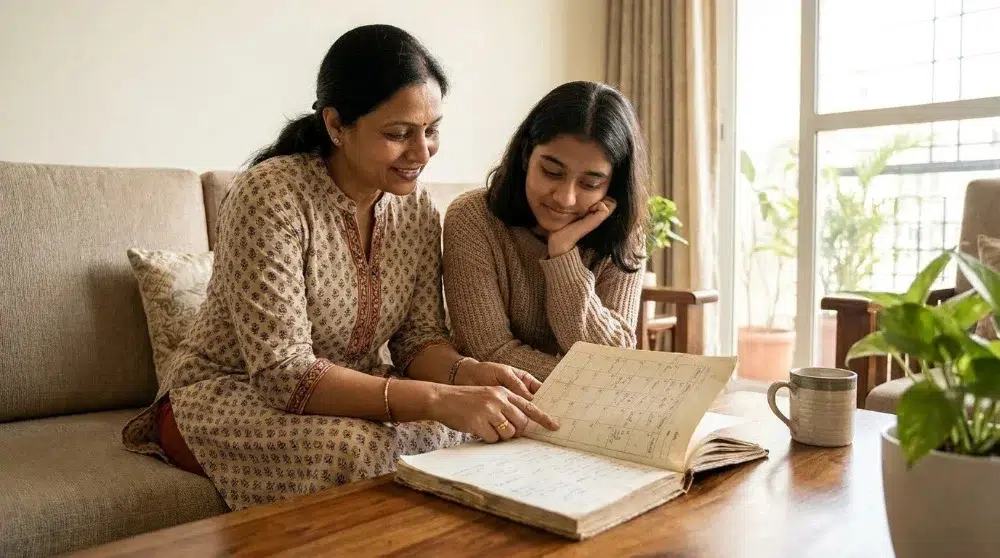
Small menstrual changes can easily go unnoticed, especially when everyday routines continue uninterrupted. For mothers and daughters, paying attention to recurring discomfort creates opportunities for open conversations and timely medical advice.
A teenage period is a vital sign of adolescent health, offering doctors important clues about menstrual and overall wellbeing. While occasional variations may be normal, recurring changes in bleeding, pain or cycle patterns can signal the need for medical assessment.
Menstrual Health Is a Vital Sign
The ACOG recognises the menstrual cycle as a vital sign2 during adolescence. Just as doctors consider blood pressure and other health indicators, menstrual patterns offer valuable information about a girl’s developing body.
Understanding these patterns helps teenagers participate more confidently in healthcare conversations. For a broader explanation of puberty and normal menstrual development, our guide to adolescent health provides the foundation. Here, the focus is on using that awareness to make informed healthcare decisions.
Small Changes Are Easy to Miss at Home
A painful period may seem manageable once. When similar discomfort returns month after month, families can gradually accept it as routine. Heavier bleeding, persistent fatigue or repeatedly missing school may also become familiar rather than concerning.
Recognising recurring patterns matters more than reacting to every small change. Writing down observations can help girls explain their experiences clearly instead of relying on memory during a consultation. Mothers can encourage this awareness without creating unnecessary anxiety or dismissing concerns. The aim is to understand what deserves attention, not diagnose conditions at home.
My takeaway is simple: recurring period concerns deserve attention, not silent acceptance. Recognising these patterns helps mothers and daughters decide when seeking professional advice becomes necessary.
Teenage Period Changes That Justify a Gynaecologist Visit
Persistent period pain, irregular periods and symptoms linked to teenage hormones should not be dismissed as routine. When these changes recur, worsen or disrupt daily activities, a gynaecologist visit can help identify the cause and guide appropriate care.
Period Pain and Heavy Flow That Disrupt Daily Life
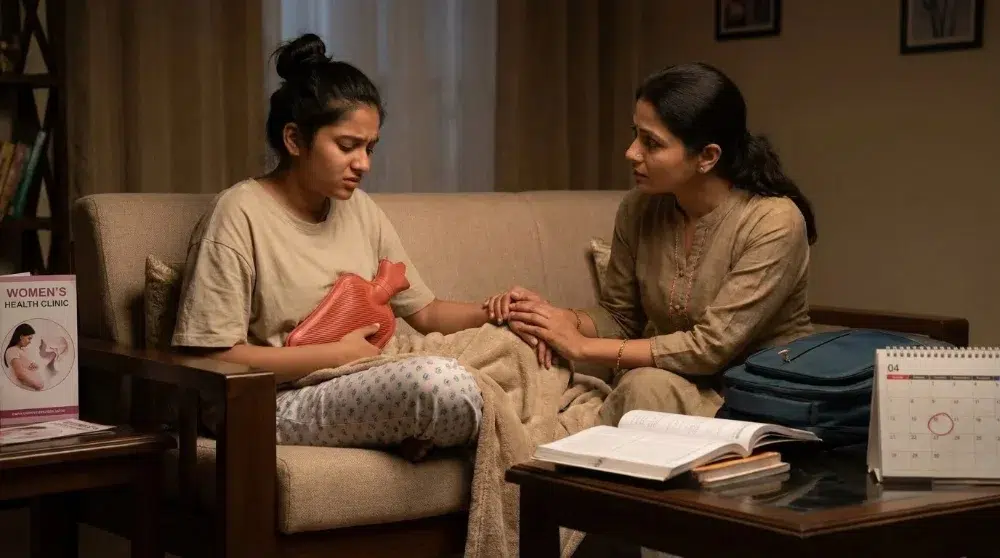
When period cramps repeatedly interrupt school, sleep or everyday activities, the concern is not how much pain a teenager can tolerate. It is how much that pain affects her life.
- Period Pain: Cramps that repeatedly cause school absences, worsen over time or do not improve with usual care deserve medical assessment.
- Heavy Flow: A teenage period lasting longer than seven days, or requiring pad changes every one to two hours, warrants a doctor’s attention.
- Constant Tiredness: Persistent fatigue alongside heavy bleeding may indicate iron deficiency or anaemia. A healthy diet for women supports nutritional wellbeing, but medical assessment remains important.
Nutritional discussions, including magnesium benefits for women, offer additional context but should never replace medical advice for persistent cramps.
Irregular Periods and Hormone Signs Need Proper Assessment
Irregular cycles can occur during adolescence, especially after menstruation begins. However, irregular periods in a teenage girl deserve assessment when concerning patterns persist or other symptoms appear.
- Long Gaps: A gap of 90 days or more between periods deserves medical evaluation, even when it happens only once.
- No Period by 15: A girl who has not started menstruating by age 15 should receive medical assessment.
- Hormone Signs: Persistent acne or increased facial hair alongside irregular cycles may warrant evaluation for hormonal conditions, including PCOS.
Summary: Understanding hormonal and metabolic health helps families recognise changes worth discussing. Reliable hormone health and wellness information supports informed questions during medical consultations. When symptoms persist, a gynaecologist can assess possible causes and recommend appropriate next steps.
Vaginal Discharge in Teenage Periods: Normal Changes and Warning Signs
Vaginal discharge changes naturally throughout the menstrual cycle, including during adolescence. Clear or white discharge is usually normal. However, unusual colours, strong odour, itching or burning may indicate a problem requiring medical attention.
Normal Discharge Follows the Menstrual Cycle
Vaginal discharge helps keep the vagina clean, moist and protected against infection. Around ovulation, vaginal discharge typically becomes transparent, smooth and elastic, with a consistency similar to raw egg white. Afterwards, it may appear thicker or creamier. These changes are usually normal and rarely require treatment.
Simple hygiene habits help maintain vaginal health throughout the teenage years. Gently wash the external genital area with water and avoid internal douching. Breathable cotton underwear provides comfort, while scented washes and unnecessary intimate products may cause irritation.
Why Does Vaginal Discharge Smell During a Teenage Period?
A mild vaginal odour is normal and may change during menstruation. However, a persistent fishy or unpleasant smell can indicate bacterial vaginosis or another infection. A gynaecologist can identify the cause and recommend appropriate treatment rather than relying on home remedies.
Girls should never feel embarrassed discussing vaginal discharge with a doctor. Understanding normal changes builds confidence and makes sensitive health conversations easier.
Your First Gynaecologist Visit Is Mostly a Conversation
A first gynaecology appointment 3can feel intimidating, especially when girls worry about physical examinations. However, the visit usually begins with questions about menstrual history and symptoms. A gynaecological examination for teenagers is not always necessary.
The First Visit Starts With Questions, Not an Exam
The American College of Obstetricians and Gynecologists (ACOG) recommends an initial reproductive health visit between ages 13 and 15. Girls aged 15–19 who have never attended can still arrange their first appointment. The doctor usually discusses menstrual patterns, period pain, vaginal discharge and relevant medical history.
An internal pelvic examination is generally unnecessary during a first visit unless specific symptoms justify it. If an examination is recommended, the doctor should explain its purpose and what happens during the procedure. Girls can ask questions, understand available alternatives and discuss any concerns before proceeding.
Three Records Make Preparation Simple
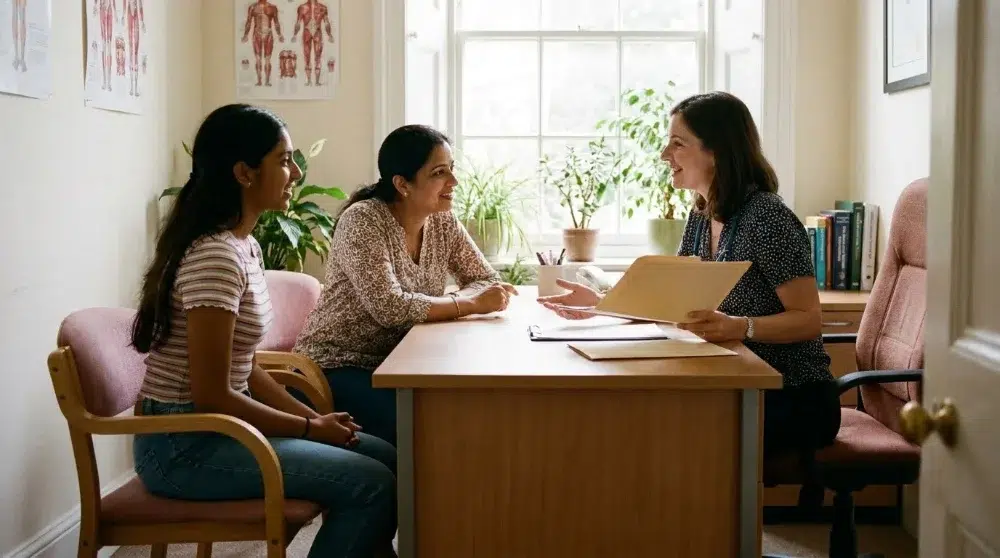
Preparing for gynaecologist consultation becomes easier when girls organise their concerns beforehand. Three simple records can make that first conversation more productive.
- Cycle Dates: Note the first day of each period over three months. This helps the doctor understand menstrual patterns.
- Symptom Notes: Record cramps, bleeding intensity, discharge changes and missed school days. Include how symptoms affect everyday activities.
- Question List: Prepare questions about possible investigations, treatment and follow-up care. Reproductive health awareness begins with asking informed questions.
Knowing what to expect helps girls approach their first appointment with greater confidence. A mother’s support can also help girls approach healthcare with confidence.
Open Conversations Make Teenage Periods Easier to Manage
Open conversations about teenage periods help girls discuss concerns without embarrassment. Mothers can support teenage reproductive health by listening, respecting independence and encouraging informed decisions about medical care.

- Start Without Judgement: Listen when your daughter mentions painful cramps, irregular bleeding or unusual discharge. Avoid dismissing symptoms as part of growing up. Encourage her to explain how these changes affect school, sleep and daily activities.
- Respect Private Conversations: Privacy during medical consultations allows teenagers to raise sensitive questions independently. Mothers can offer reassurance while respecting personal boundaries. Doctors should explain confidentiality arrangements and any limitations under applicable Indian laws.
- Encourage Informed Consent: Help teenagers understand why an examination may be recommended and what it involves. Encourage them to ask questions, discuss concerns and understand available options. Consent must follow applicable legal and medical requirements.
- Discuss Preventive Healthcare: Use the first visit to discuss HPV vaccination and age-appropriate reproductive health. Vaccination can prevent certain HPV-related cancers. Routine cervical screening is generally not recommended during adolescence without specific clinical indications.
- Build Confidence Through Support: Let your daughter describe her symptoms and ask questions herself. Offer guidance without taking over the conversation. Participating in healthcare discussions helps teenagers develop confidence and take greater responsibility for their wellbeing.
A mother’s support extends beyond the first appointment. Open communication and informed participation help girls approach reproductive healthcare with greater confidence.
Also Read:
- The New Face of Childbirth in India: What NFHS-6 Is Really Telling Us
- Muscle Loss in Women: Why Strength Matters After 40
Conclusion
A teenage period offers important clues about a girl’s health. Recurring pain, heavy bleeding or missed school days should never become routine. A first gynaecologist visit can help identify concerns early and provide reassurance. Seeking advice is a step towards better health, not something to fear.
Preparation makes that first conversation easier. Recording cycle dates, noting symptoms and writing down questions helps girls explain their concerns clearly. Most first visits begin with a conversation rather than an examination. Understanding what to expect can reduce uncertainty and build confidence.
For mothers, the greatest support begins with listening. Encourage questions, respect privacy and make reproductive health conversations part of everyday life. Early awareness and timely medical guidance help girls develop healthy habits that continue into womanhood.
Explore more: Discover practical guidance in our Health category and explore Women, Pregnancy & Family Health for deeper insights into women’s wellbeing.
Stay Connected with Me
Namita Mahajan is a Lifestyle Influencer, Digital Strategist, and Womenpreneur empowering self-reliance and creativity through storytelling and digital presence.
As Director of Nuteq Entertainment Pvt. Ltd. and Co-Founder of TrendVisionz, she brings together media experience, empathy, and innovation to build purposeful brands.
- Explore our work: Nuteq Entertainment | TrendVisionz | About the Authors
- Read our newsletters: Transforming Lives | BizTech Chronicle | Nuteq Newsline
- Guest writer: BizCatalyst360 | Praja Today
- Join the community: Go Mindfulness: Practices for Professionals Coached
- Connect with me: LinkedIn | Twitter | #StoryforBusiness
- Share your review: Leave your review on Google — your feedback helps us grow.
- Listen on Spotify: Leadership Podcast | Guided NLP | Daily Motivation
Believe. Practice. Perform. Let’s create impact together.
✍️ A Note from the Editor
At TrendVisionz, we craft every article with intention—guided by insight, empathy, and the belief that stories can empower change. Our content remains open and free, because knowledge should be accessible to everyone.
If our work inspires you, we’d be deeply grateful for your support. Even $10/month helps us continue creating stories that inform, uplift, and inspire.
💛 Support our work: Contribute via PayPal or write to us at anujmahajan@trendvisionz.com to set up your monthly support.
Thank you for believing in independent storytelling. — Editor
Additional Resources:
- Nabilal Patavegar B, Ahmad S, Hassan SB, Ahmad A, Tiwari PK. A Study of School Absenteeism During Menstruation Amongst Adolescent Schoolgirls in An Urban Area of North India. Natl J Community Med [Internet]. 2024 Sep. 1 [cited 2026 Nov. 13];15(09):741-6. Available from: https://njcmindia.com/index.php/file/article/view/4178 ↩︎
- American College of Obstetricians and Gynecologists. (2015). Menstruation in girls and adolescents: Using the menstrual cycle as a vital sign (Committee Opinion No. 651). ↩︎
- American College of Obstetricians and Gynecologists. (2020). The initial reproductive health visit (Committee Opinion No. 811 ↩︎
FAQs: Teenage Period
How to balance teenage hormones naturally?
Balanced meals, regular exercise, adequate sleep and stress management support hormonal health. During adolescence, hormone fluctuations are normal. If a teenage period remains irregular or other symptoms persist, consult a gynaecologist rather than relying on supplements or home remedies.
Is vaginal discharge normal during a teenage period, and why does it smell?
Vaginal discharge is a natural bodily secretion that varies in appearance and consistency throughout the menstrual cycle. Around a teenage period, a mild natural odour is common. A strong or unpleasant smell, itching, irritation or an unusual colour may point to an infection that needs medical assessment.
What causes irregular periods in teenagers?
Irregular teenage periods may result from developing hormonal cycles, stress, significant weight changes, intense exercise or medical conditions such as PCOS and thyroid disorders. Persistent irregularities or gaps exceeding 90 days should be assessed by a healthcare professional.


5 comments
[…] Posts Teenage Periods and Your First Gynaecologist Visit Kashi Varanasi: Sacred Ghats and Living Traditions What Changed in Google’s December 2025 […]
[…] Posts Teenage Periods and Your First Gynaecologist Visit Kashi Varanasi: Sacred Ghats and Living Traditions What Changed in Google’s December 2025 […]
[…] Posts Teenage Periods and Your First Gynaecologist Visit Kashi Varanasi: Sacred Ghats and Living Traditions What Changed in Google’s December 2025 […]
[…] Posts Teenage Periods and Your First Gynaecologist Visit Kashi Varanasi: Sacred Ghats and Living Traditions What Changed in Google’s December 2025 […]
[…] Posts Teenage Periods and Your First Gynaecologist Visit Kashi Varanasi: Sacred Ghats and Living Traditions What Changed in Google’s December 2025 […]