
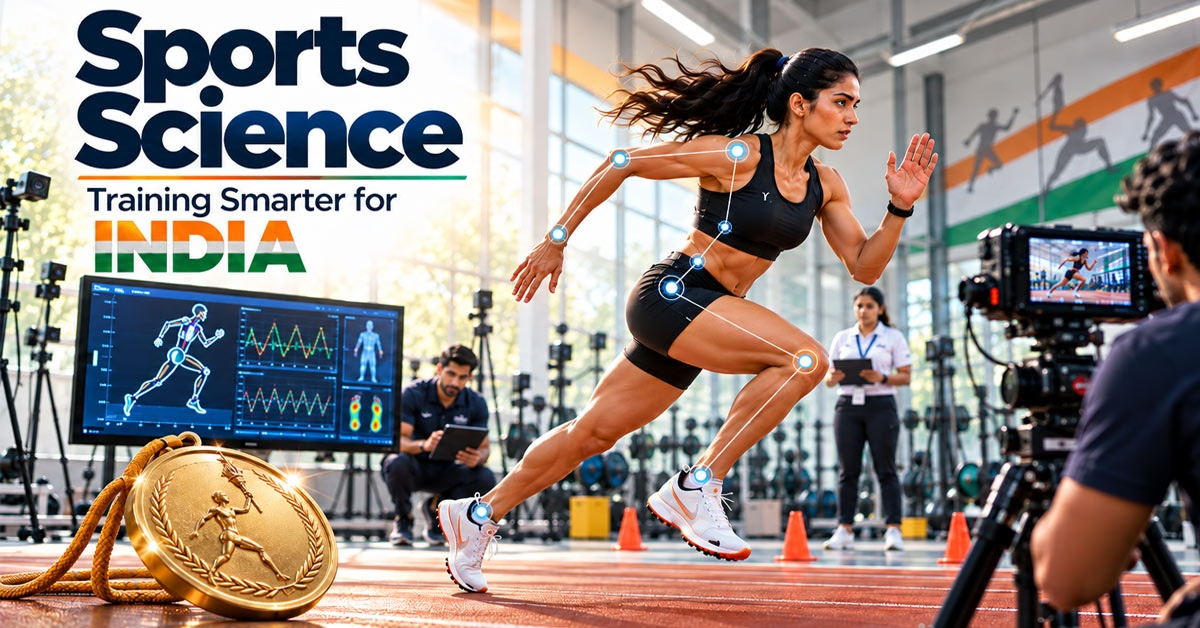
We all remember the medal moment when India celebrates together. The flag rises, the athlete smiles, and years of effort surface. But elite performance is now built far beyond training alone. One poor recovery cycle can change a season completely. That is where sports science becomes critical.
India’s sporting rise is now being backed by stronger scientific support. Training is becoming more precise, recovery more planned, and performance more closely measured. A ₹260 crore outlay for sports science and sports medicine shows how seriously that shift is being funded.
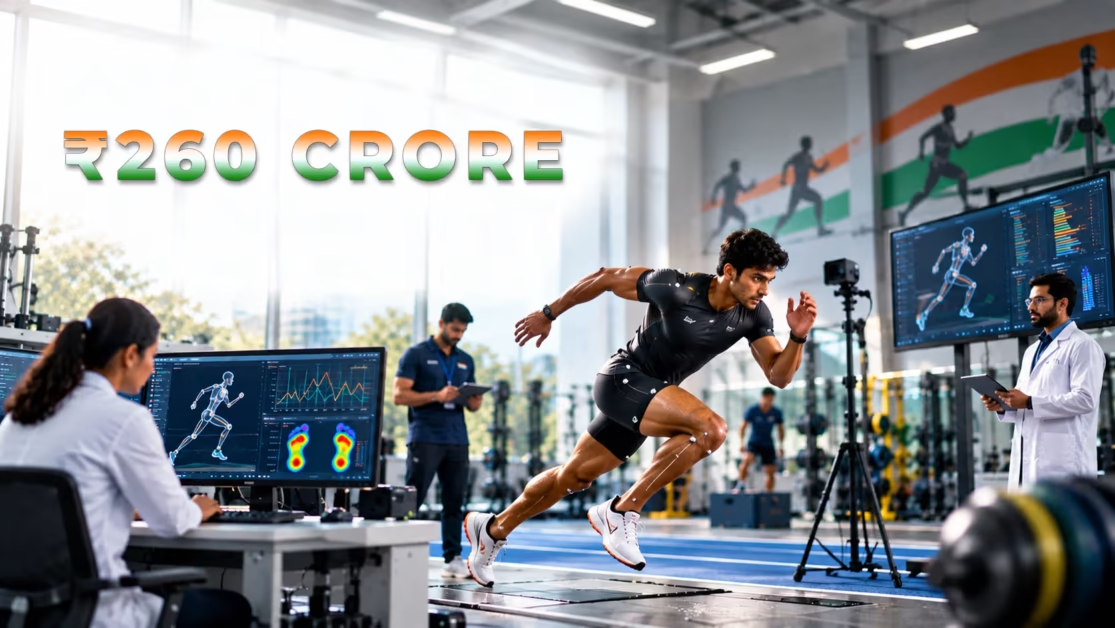
As a media entrepreneur, I naturally bring a digital-first, systems-oriented perspective. In my routine conversations with decision-makers, I often hear how performance is changing. Data, technology and sharper planning now shape everyday discussions. That makes India’s evolving sports story especially interesting to me.
In this edition, we examine India’s changing performance system. We look at training, technology, psychology, recovery and assessment. For readers, coaches, parents and administrators, the goal is simple. Understand what now sits behind elite sporting performance.
Sports Science Connects Every Discipline Around the Athlete
Elite performance is never built by one specialist alone. Sports science applies scientific principles to improve athlete performance. It combines physiology, biomechanics, psychology and nutrition to guide training, recovery and competition preparation.
Neeraj Chopra offers a defining Indian example. After his 2019 elbow surgery, he began working closely with biomechanics expert Dr Klaus Bartonietz. The approach moved beyond repetition.
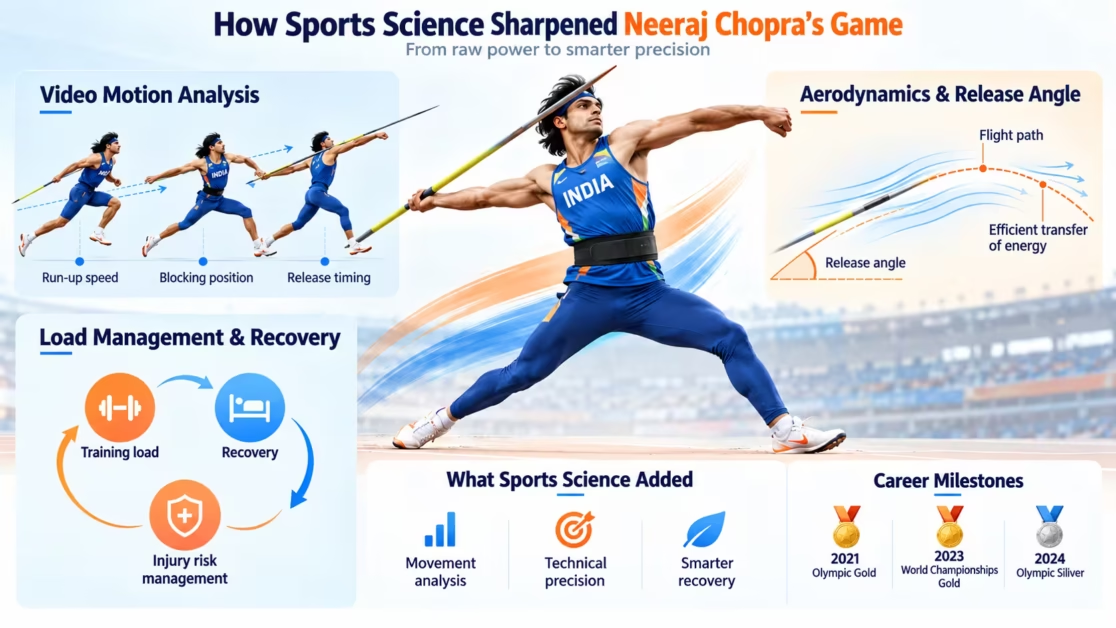
Bartonietz studied Neeraj’s run-up speed, blocking position, release angle and tendency to rush the throw. Aerodynamics, technical sequencing, structured training and recovery became part of the same plan. The aim was not simply to throw harder, but to throw more efficiently while protecting his body.
It’s not just practice that makes one perfect, but it’s perfect practice that makes one perfect — Vince Lombardi
Neeraj went on to win Olympic gold at Tokyo 2020, World Championships gold in 2023, and Olympic silver at Paris 2024.
Different Sports Need Different Science
No single discipline matters most across every sport. The athlete’s biggest performance bottleneck decides the priority. That bottleneck can change across training phases. It can also shift before major competition.
Endurance athletes often depend heavily on physiology and fueling. Weightlifters need strength, conditioning and biomechanics working together. Shooters and archers need psychology and technical analysis. Hockey players need conditioning, video analysis and load management. Effective sports science training therefore changes with sporting demands.
Sports Science Guides Athlete Preparation
Elite preparation improves when coaches keep adjusting the plan around an athlete’s response. A fixed programme cannot account for every change in performance.
Assess → Train → Measure → Recover → Adapt → Perform
A performance cycle only works when each stage informs the next. Testing identifies the athlete’s current need. Training targets that need. Coaches then study the response before changing load, technique or recovery.
A recent Indian example comes from athletics. AFI now tracks athletes training across different centres. Coaches use that monitoring to review progress, adjust preparation and keep performance plans aligned before major competitions.
What stands out to me is how much elite sport now depends on joined-up thinking. Coaching, science and specialist support work best when they move together around one athlete and one clear performance goal.
India Is Building a Sports Science Ecosystem
During a recent international trip, a client asked me over coffee: how is India developing sports science beyond individual athletes? The answer now spans training centres, federations, research partnerships and digital systems, creating a stronger base for elite athlete development.
Sports infrastructure is also becoming more specialised. Global firms like AECOM and Indian players like Gallant Sports support this wider ecosystem.
National Centres of Excellence Combine Coaching With Science
SAI’s 23 National Centres of Excellence bring key performance services together. Their model combines athletes, coaches, sports science, equipment and infrastructure.
- Scientific testing: SAI Bengaluru offers physiology and biomechanics support. Testing helps coaches understand sport-specific demands and athlete responses.
- Embedded conditioning: Strength and conditioning teams work alongside daily coaching. This makes modern sports training more planned and athlete-specific.
- Integrated medicine: NCOE Imphal combines physiotherapy, nutrition and sports medicine. Recovery therefore becomes part of regular preparation, not an afterthought.
For me, this is an important shift. Athletes are no longer moving through completely separate support systems. More services now sit around one performance pathway.
Investment Is Moving Beyond Infrastructure
India is also investing beyond stadiums and training grounds. Scientific capability, research and digital systems are becoming part of the same sporting ecosystem.
- ₹260 crore support: Funding strengthens NCSSR, selected NCOEs, universities and sports medicine departments.
- Research partnerships: SAI, NCSSR and IIT Delhi are building a biomechanics lab for movement assessment. Sports Injury Centre at Safdarjung Hospital and SAI covers athlete monitoring, rehabilitation and injury prevention through standardized protocols.
- Digital integration: India is also building a unified sports ecosystem. A lifelong Sports ID can connect athletes, coaches, scientists and development systems.
The larger change is structural. India is not only adding facilities. It is connecting science, people and systems around athlete development. That foundation can make future performance support more consistent.
Technology and Data Are Changing Sports Training
Technology is moving Indian sports training from instinct-led coaching toward measurable, data-backed decisions across preparation, performance and recovery at scale. Globally, FIFA recognises GPS/GNSS, wearable systems and heart-rate monitoring within performance tracking.
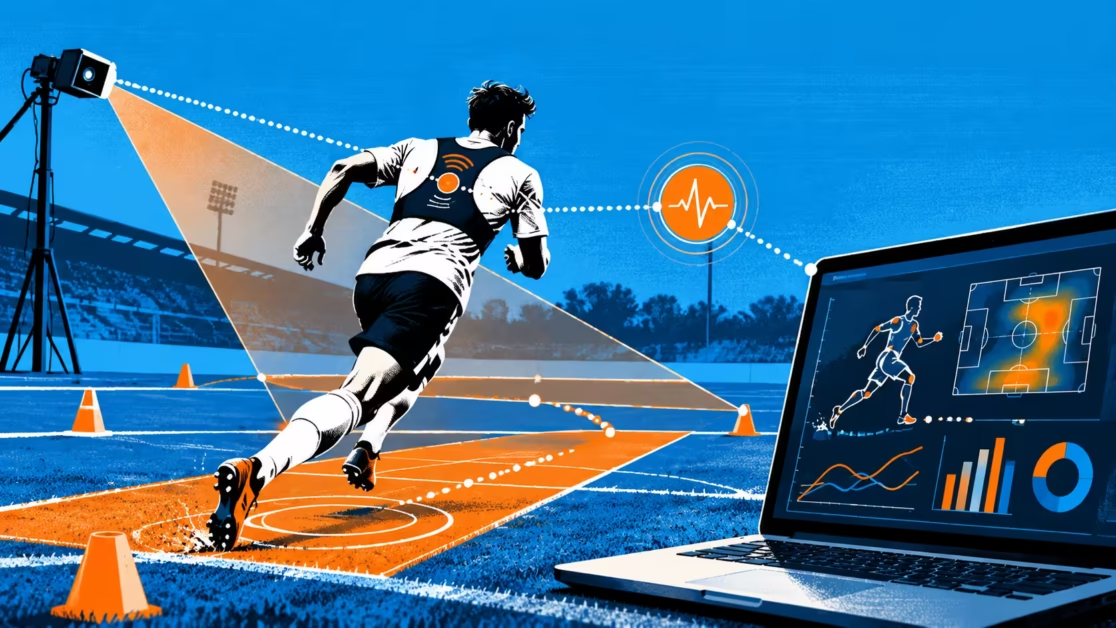
Sports science turns training into a continuous feedback loop. Staff measure what athletes do and how bodies respond. Coaches interpret that evidence with specialists. They then adjust load, technique or recovery before the next session.
Athlete Monitoring Tracks Load, Movement and Response
Athlete monitoring tracks external load, movement quality, internal response and recovery status. Coaches use these signals to adjust daily training and reduce injury risk.
- Record-Breaking 400m: India already shows this shift in action. Vishal T.K. became the first Indian man under 45 seconds, clocking 44.98. At IIS, lactate testing, stride analysis, strength work and structured recovery shaped his preparation.
- Precision Hockey: Hockey India uses GPS, heart-rate monitors, force plates, VALD systems and video analysis. Coaches track sprint loads and movement patterns. They then adjust training intensity and recovery around match demands.
Can Athlete Data Predict Sports Injuries?
No. Athlete data can highlight warning signs like workload spikes. It may also flag unusual fatigue or incomplete rehabilitation. Injuries have many causes. Data supports judgement, but it cannot predict an exact injury day.
That distinction matters as AI enters elite sport. Better teams will not collect the most data. They will turn reliable signals into timely decisions.
Psychology, Conditioning and Recovery Shape Medal Readiness
Medal readiness means producing near-best performance on a fixed date. Athletes mustmanage pressure, travel, fatigue and competition demands together. That makes sports psychology, strength conditioning and athlete recovery part of one connected system.
At Paris 2024, India travelled with sports-medicine staff, physiotherapists, nutrition support, wellness experts and a sleep specialist. That setup shows medal readiness is not only about training harder. It also depends on recovery, health and mental readiness.
Performance Psychology Begins Before Competition
Athletes cannot control the medal, but they can control preparation and routine. Breathing, focus cues and imagery help manage attention under pressure. Sports performance psychology builds that mental readiness before competition begins.
Abhinav Bindra’s Beijing 2008 preparation shows how precise this can become. He used neurofeedback, heart-rate variability and breathing work with psychologist Timothy Harkness. The goal was to train both body and mind for the right competitive state.
Mental health still needs separate attention. Elite athletes can face depression, stress and burnout1 too. Strong systems therefore support both performance psychology and clinical care.
Strength, Load and Recovery Work Together
Conditioning and recovery should move together throughout preparation. Fatigue is not always harmful. Poorly managed fatigue is the real problem. Research on recovery and performance2 emphasizes balancing training stress with adequate recovery.
- Planned conditioning: Strength, power and speed follow planned training phases.
- Managed load: Hockey India uses high, medium and low-intensity days.
- Targeted recovery: Sleep3, nutrition and hydration restore training capacity.
- Return-to-play: Progress depends on function, confidence and sport-specific readiness4.
A simple tweak to your warm-up routine improves mile time by two to three percent.” — Alex Hutchinson
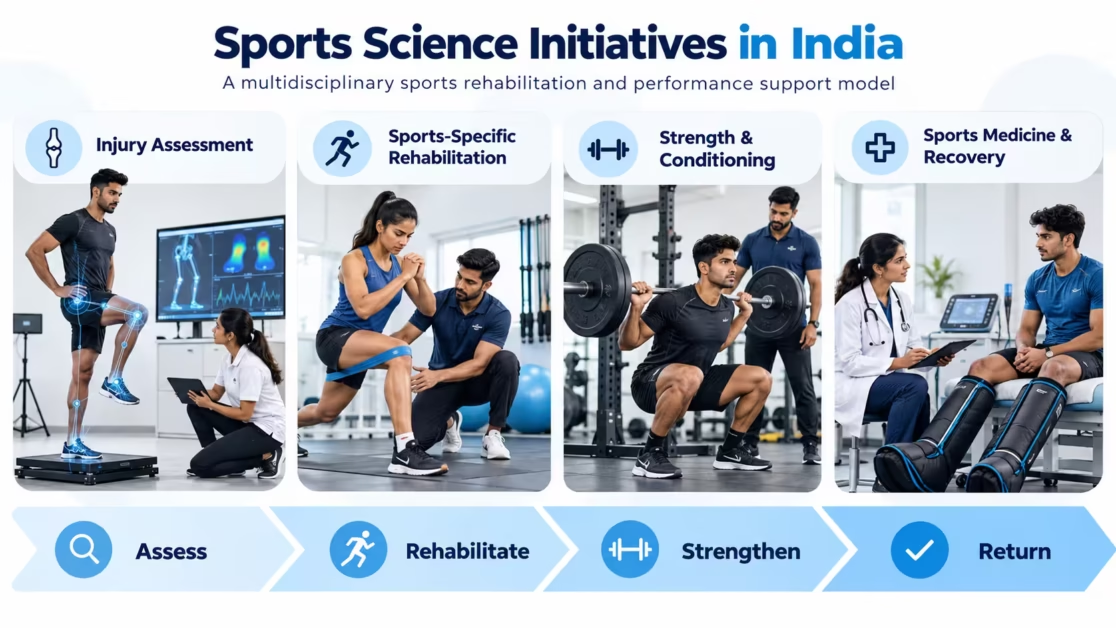
The goal is not simply to train harder. It is to arrive ready. Medal readiness means being physically prepared and mentally steady. Small gains across preparation can matter when elite margins become extremely narrow.
India’s Elite Sport Is Becoming Science-Led
Is India really becoming more science-led in elite sport? The shift is now visible as sports science becomes part of the wider elite performance system.
Manu Bhaker offers a recent example. After Tokyo 2020, her preparation with Jaspal Rana shifted toward process, emotional control and pressure management. That reset helped her return to Paris 2024 with greater composure and focus.
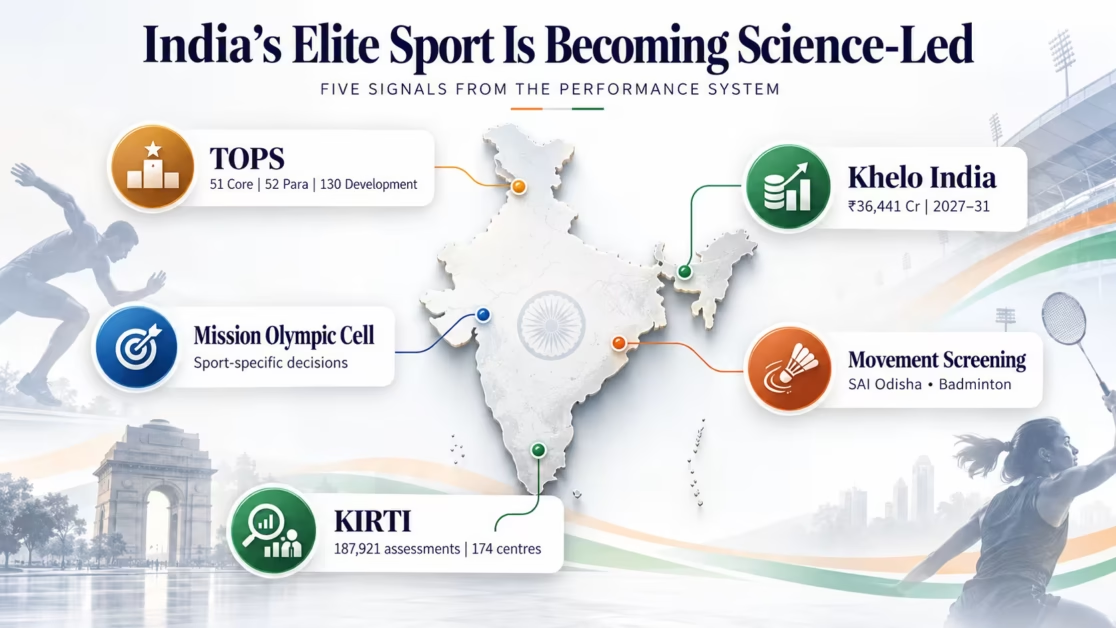
- Individualised TOPS: As of April 2026, the Target Olympic Podium Scheme (TOPS) supported 51 Core, 52 Para Core and 130 Development athletes. The revamped Khelo India Scheme carry a combined outlay of ₹36,441 crore from 2027 to 2031.
- Sport-Specific Decisions: The Mission Olympic Cell brings federations and sports-science experts into athlete-support decisions. Preparation can therefore reflect sport-specific needs instead of one standard model.
- Federation Support: The strengthened 2026–31 federation scheme funds coaching, sports science, modern equipment, international exposure and competition preparation.
- Movement Screening in Badminton: SSI conducted Functional Movement Screen assessments at the Odisha SAI Regional Badminton Academy. The screening identified mobility limits, stability deficits and movement asymmetries.
- Talent Identification at Scale: KIRTI uses standardised testing, IT tools, AI and data analytics. By April 2026, 187,921 assessments had been conducted through 174 Talent Assessment Centres.
My takeaway: India has moved beyond isolated sports-science support. Athlete-specific decisions, federation funding and data-led talent identification are entering the same performance system. The next test is consistency across sports and centres.
FAQs: Sports Science
A sports scientist studies how an athlete trains, performs and recovers. Testing and performance data help coaches adjust workloads, track progress and personalise preparation. The goal is better-informed decisions around each athlete.
Sports science measures how the body and mind respond to training using physiology, biomechanics and performance data. Sports training applies those insights through workouts, conditioning and skill practice. One explains performance; the other puts that evidence into action.
Sports science reduces injury risk by tracking workload, movement, fatigue and recovery. Rishabh Pant’s 14-month rehabilitation used structured strength, flexibility and running before his return. Such evidence-led rehabilitation helps athletes return safely and sustain performance longer.
Conclusion
The medal is what everyone remembers. The preparation behind it stays mostly invisible. Sports science improves that hidden work through better testing, training, recovery and decision-making.
Assessment, individualised training, performance monitoring and psychology now work together. Recovery also becomes part of the same performance plan. The strongest systems connect these pieces around one athlete.
India has largely built the architecture. The next performance advantage comes from making scientific support consistent, connected and actionable across sports and centres. Managed workloads, smarter return-to-play decisions and stronger scientific support can shape how athletes arrive ready.
Explore more insights on Athlete Performance & Human Potential to understand how modern preparation shapes elite performance. For wider stories, trends and analysis, visit the Sports section on TrendVisionz.
Additional Resource:
- Rice, S.M., Purcell, R., De Silva, S. et al. The Mental Health of Elite Athletes: A Narrative Systematic Review. Sports Med 46, 1333–1353 (2016). ↩︎
- Kellmann, M., Bertollo, M., Bosquet, L., Brink, M., Coutts, A. J., Duffield, R., Erlacher, D., Halson, S. L., Hecksteden, A., Heidari, J., Kallus, K. W., Meeusen, R., Mujika, I., Robazza, C., Skorski, S., Venter, R., & Beckmann, J. (2018). Recovery and Performance in Sport: Consensus Statement. International Journal of Sports Physiology and Performance, 13(2), 240-245. Retrieved Sep 26, 2026 ↩︎
- Cheri D. Mah, Kenneth E. Mah, Eric J. Kezirian, William C. Dement, The Effects of Sleep Extension on the Athletic Performance of Collegiate Basketball Players, Sleep, Volume 34, Issue 7, 1 July 2011, Pages 943–950. ↩︎
- Ardern CL, Glasgow P, Schneiders A, et al 2016 Consensus statement on return to sport from the First World Congress in Sports Physical Therapy, Bern. British Journal of Sports Medicine 2016;50:853-864. ↩︎


