
It was during my recent visit to Mahakal. With a tilak on my forehead, a simple thought came to me: why do these sacred marks look so different? Look around any Hindu temple and you will notice three horizontal lines. You may also see sandalwood paste or a touch of red kumkum. Each seems familiar, yet each carries its own meaning.
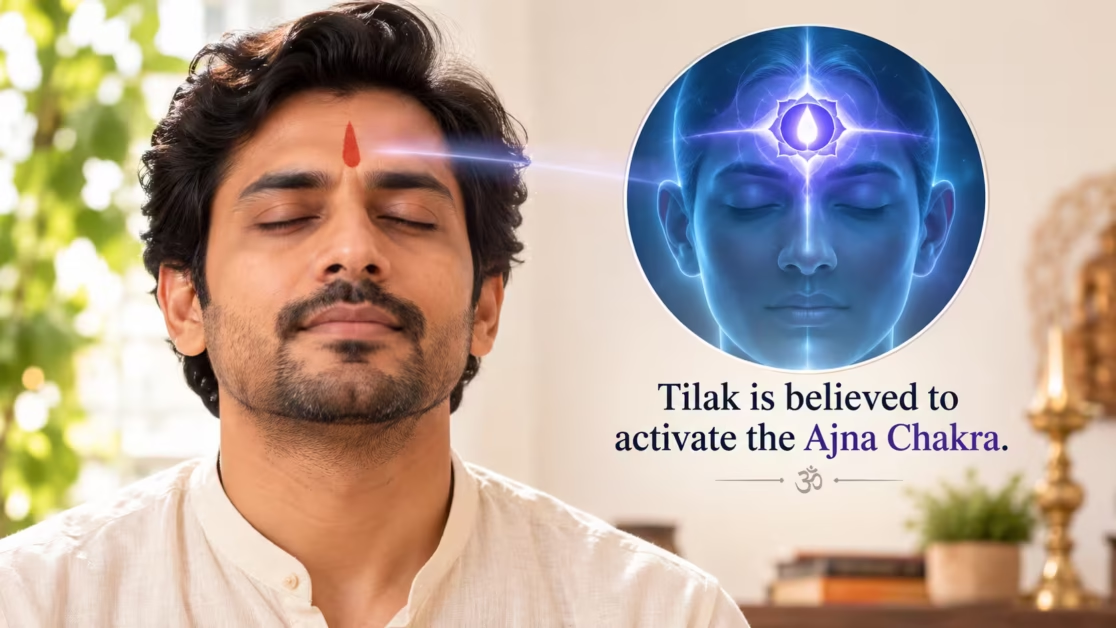
This is the Hindu tilak, a visible expression of devotion, identity, and spiritual tradition. It is worn between the eyebrows, at the point Hindu tradition associates with the Ajna Chakra or third eye. But what does the tilak signify?
Three decades in media have taken me across India, including temple towns where I have watched these rituals unfold at close quarters. I write not as a scholar of scripture, but as someone who has observed how quietly these traditions continue to shape everyday faith.
In this article, we will explore the significance and spiritual reasons why Hindus wear the tilak. Building on that, my in-depth research examines how Shaiva, Vaishnava, and Shakta traditions differ and what their sacred marks represent.
The Meaning of the Hindu Tilak
The tilak meaning changes with its form, material, deity, and tradition. The types of tilak and their placement, colour, material, and shape can reveal the religious path or custom they represent. It also appears across festivals and ritual occasions shaped by the Hindu calendar.
A Hindu tilak is a sacred forehead mark used in Hindu worship and ritual. It can identify devotional affiliation, including Shaiva, Vaishnava, or Shakta traditions, and may reflect the deity or spiritual lineage a devotee follows.

Its appearance changes across traditions, but the larger purpose remains similar. The mark makes faith visible. Like bells used in worship, it can turn a familiar ritual into a reminder of something deeper.
A Mark of Devotion and Identity
Have you ever thought about what a tilak can reveal? It may indicate the deity or spiritual tradition a devotee follows. It is worn during temple visits, daily worship, festivals, and sacred ceremonies. Its material and shape can also change with the lineage. For example, Shaiva devotees may wear sacred ash, while Vaishnava traditions often use sandalwood or sacred clay.
The tilak can also represent the idea that the body is a sacred space. Applying it becomes more than identification. It can serve as a quiet reminder to carry spiritual awareness into daily life, especially during prayer, worship, and other moments of devotion.
The Ajna Chakra and the Third Eye
The tilak is traditionally placed between the eyebrows, at the point associated with the Ajna Chakra. Hindu and yogic traditions connect the tilak on forehead with intuition, perception, and inward focus. The placement gives the mark a deeper spiritual meaning beyond its visible form.
Within this tradition, the tilak can serve as a reminder to turn attention inward and remain aware of spiritual purpose. These associations belong to religious and yogic belief. They should be understood as spiritual interpretations, not as established medical or scientific claims.
What stays with me is how such a small mark can carry so much meaning. The tilak brings devotion, identity, and tradition in daily work without needing words, ceremony, or explanation.
Spiritual Significance of Wearing Tilak
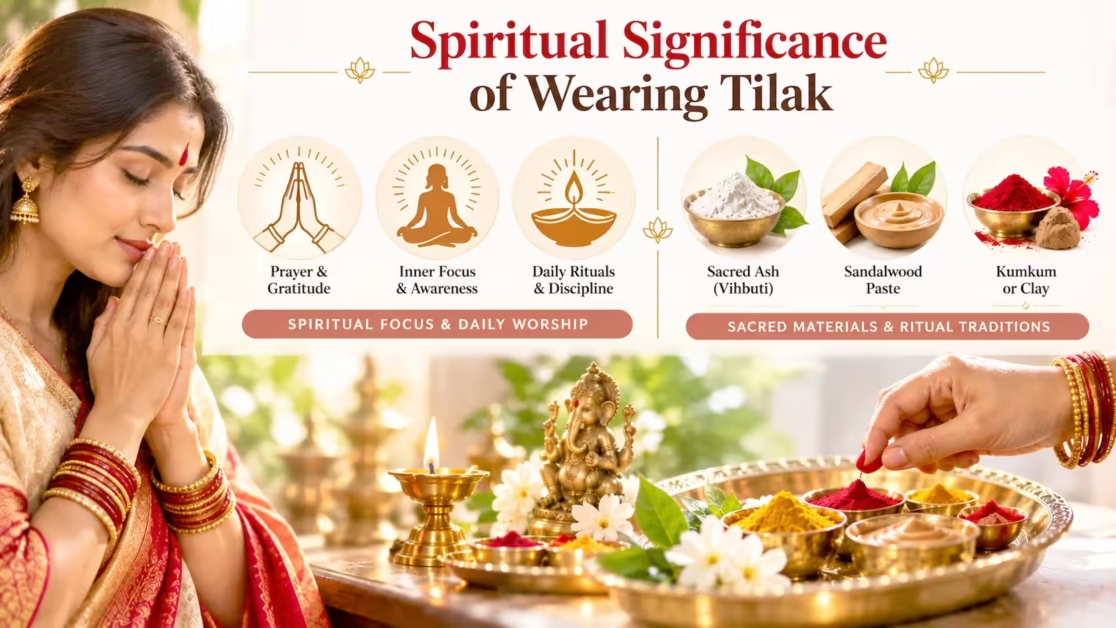
In Hindu tradition, wearing the hindu tilak is a devotional practice linked with worship, spiritual identity, and religious lineage. The mark can support focus during prayer and show reverence for a chosen deity. These spiritual and ritual purposes help explain why Hindus wear tilak during prayer, worship, festivals, and important beginnings.
Spiritual Focus and Daily Worship
The tilak often becomes part of a daily rhythm. It may be applied before prayer, temple visits, or other devotional practices. In traditions centred on Hanuman and other deities, such visible acts can reinforce a devotee’s sense of faith and belonging.
- Daily reminder: The mark can bring attention back to spiritual purpose during ordinary routines.
- Righteous conduct: It may serve as a visible cue to remain mindful of one’s values.
- Before prayer: Applying the tilak can help create focus before worship or meditation.
From my personal experience, and from what I have seen during temple visits, this small act often feels less about appearance and more about intention. It creates a quiet pause before prayer and a reminder to carry that awareness into the day.
Sacred Materials and Ritual Traditions
The material used for a tilak also carries meaning. Different traditions choose sacred ash, sandalwood, kumkum, or clay according to lineage, deity, and custom.
- Sacred ash: Common in Shaiva traditions and associated with impermanence.
- Sandalwood: Traditionally linked with purity, calm, and worship.
- Chandan tilak: Made from sandalwood paste, is used as a mark associated with purity, devotion, and worship.
- Kumkum and clay: Used across different devotional lineages and ritual settings.
How Is Tilak Applied?
The method varies by tradition, but the basic process remains simple, respectful, and closely connected to devotional practice and lineage.
- Prepare the material: Use kumkum, chandan, vibhuti, or sacred clay such as Gopi Chandana, mixed with a little clean water when needed.
- Apply the mark: Use a clean finger or applicator to place the tilak on the forehead, shaping it according to the deity, lineage, or ritual being followed.
- Follow the form: The mark may be vertical, horizontal, U-shaped, or central, depending on tradition. Gopi Chandana is commonly used for Vaishnava tilak forms.
In daily practice, tilak is not limited to just worship. Tradition holds that applying tilak at a new beginning invites focus, blessing, and spiritual awareness. It may be used before ceremonies, journeys, festivals, or important occasions.
When applied to guests during religious and family occasions, the mark becomes a gesture of welcome and respect. Tika or tikka is also used in family rituals. During occasions such as Bhai Dooj, a sister applies a sacred mark to her brother’s forehead as part of a traditional blessing and sibling bond.
Not to forget the Vijay tilak, applied before an important undertaking as a traditional blessing for courage, success, and victory.
For me, that is where the meaning becomes especially clear. The tilak moves beyond personal worship and becomes part of how tradition is shared, received, and carried through meaningful occasions.
The Three Devotional Traditions Behind the Tilak
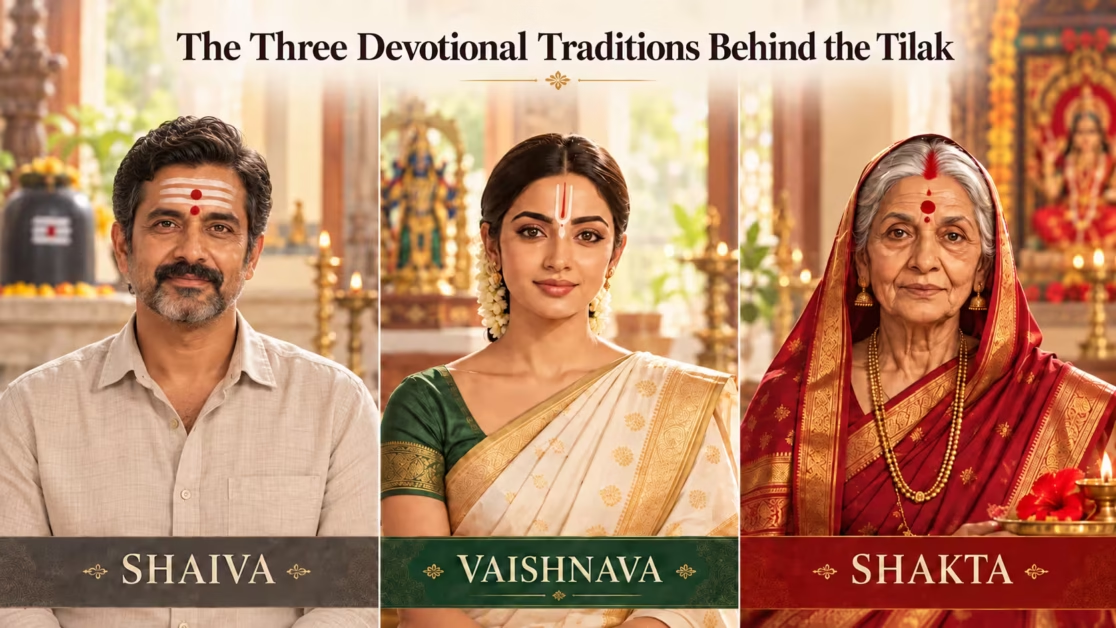
Across Hinduism, sacred forehead marks often reflect the devotional tradition a person follows. Shaiva, Vaishnava, and Shakta practices1 developed distinct forms, materials, and visual symbols around their chosen deities.
The Shaiva and Vaishnava Tilak
The two most recognised tilak forms come from Shaiva and Vaishnava traditions. Their shapes are visibly different and immediately connect the wearer with a specific devotional path.
- Shaiva Tilak: Shaiva devotees commonly wear the Tripundra, three horizontal lines associated with Shiva. Sacred ash, or vibhuti, is traditionally used to create the mark.
- Vaishnava Tilak: Vaishnava devotees wear the Urdhva Pundra, a vertical mark associated with Vishnu. Sacred clay or sandalwood may be used across different lineages.
Brahma Tilak is better understood as a priestly or Vedic variation, rather than a fourth devotional tradition. It may be worn by Brahmins or priests using sandalwood paste, roli, or other ritual materials.
The Shakta Tradition and Kumkum Tilak
Shakta traditions centre on the worship of Shakti, the divine feminine, expressed through forms such as Durga. Here, kumkum often becomes the sacred mark associated with devotion, energy, and reverence for the Goddess.
- Kumkum Tilak: The red mark is commonly used during worship and sacred rituals.
- Divine feminine: Its colour is traditionally associated with Shakti and spiritual energy.
- Bindi distinction: A bindi may look similar, but its cultural and religious use can differ from a tilak.
A tilak mainly expresses devotion, lineage, or ritual purpose. A bindi is primarily a cultural forehead mark2, though it can also carry religious meaning in some contexts.
These traditions have travelled across generations, yet their meaning still feels present today. Gen Z and bhajan clubbing are carrying older spiritual traditions into contemporary spaces. The forms may differ, but the tilak continues to connect faith, identity, and devotion with everyday Hindu life.
The Shaiva Mark — Tripundra Explained
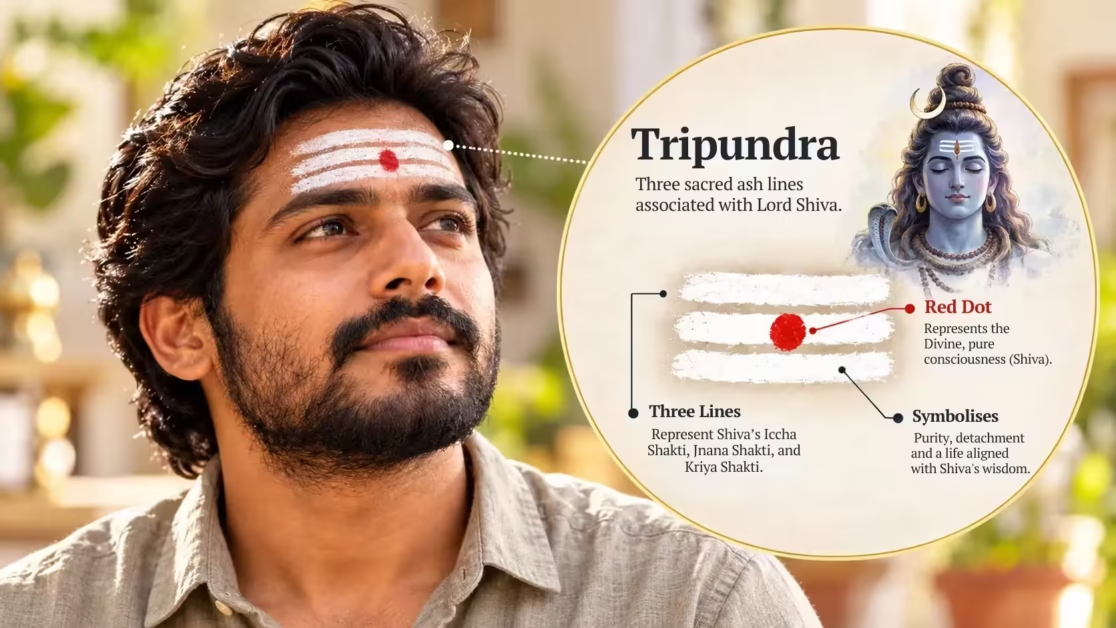
Tripundra is the sacred forehead mark associated with Shaiva tradition and the worship of Mahadev. Made with three horizontal lines of vibhuti, or sacred ash, the Shiva Tilak reflects detachment and the temporary nature of the physical body.
The Meaning of Tripundra
Tripundra is a sacred Hindu mark 3of three horizontal lines, usually applied to the forehead with vibhuti, or sacred ash. The three lines are interpreted as Shiva’s powers of Iccha Shakti, Jnana Shakti, and Kriya Shakti. The Tripundra meaning is also linked with the Trimurti and the three gunas: sattva, rajas, and tamas.
Vibhuti reminds the wearer that the material body is temporary and returns to ash. This symbolism is also seen in the Bhasma Aarti. A red kumkum dot may accompany Tripundra, representing the combined energy of Shiva and Shakti.
What Does the Red Dot in Tripundra Mean?
The red dot sometimes placed with Tripundra is associated with Shakti, or divine energy. It can represent the presence of active spiritual power alongside Shiva, bringing together stillness, consciousness, and energy within one sacred mark.
Three lines of ash carry a simple reminder: the body changes and passes, but the spiritual search asks the seeker to look beyond what is temporary.
The Vaishnava Mark — Urdhva Pundra Explained
Urdhva Pundra is the sacred forehead mark associated with Vaishnava tradition and the worship of Vishnu. Its vertical form, usually made with sacred clay or sandalwood, represents devotion, divine grace, and the soul’s upward spiritual journey.
The Meaning of Urdhva Pundra
Urdhva Pundra is the sacred forehead mark made from Gopi Chandana, a sacred clay. It is usually associated with Vaishnava tradition and the worship of Vishnu. Its upward form is traditionally understood as a sign of spiritual ascent, directing the devotee’s attention toward Vishnu and the path of surrender.
The Vaishnava tradition also extends through the worship of Vishnu’s avatars, including Shri Ram, whose life remains closely associated with dharma and devotional faith. The same devotional tradition is visible in worship centred on Venkateswara, one of the most revered forms of Vishnu.
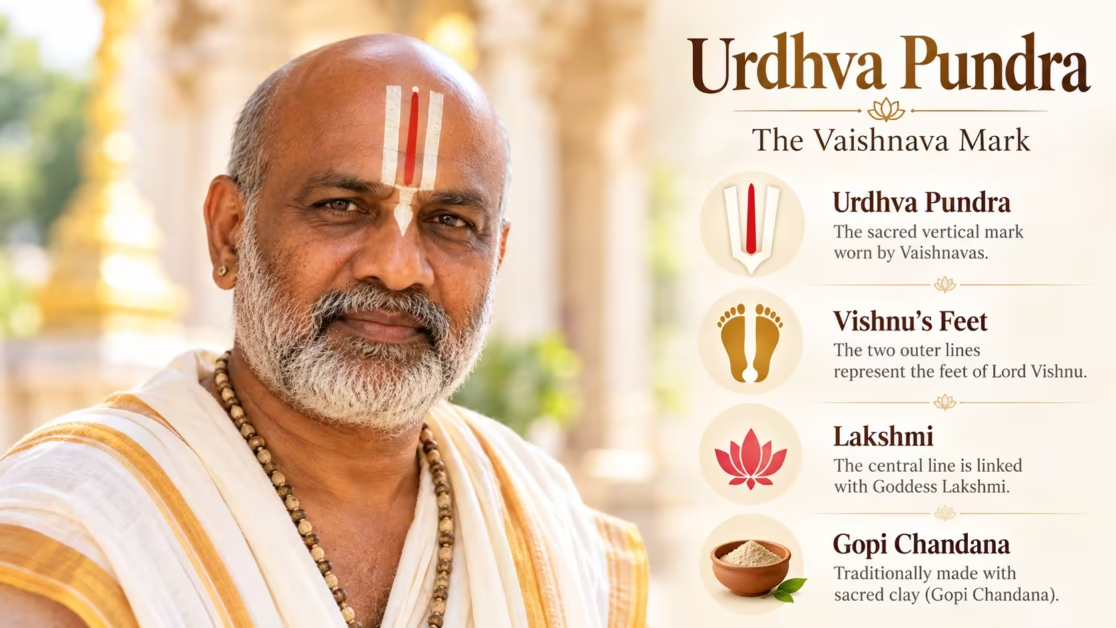
Another type of tilak is also seen across Vaishnava traditions. Krishna tilak wears “Vishnu Tilak”. The tilak varies by lineage and often uses sacred clay such as Gopi Chandana.
The material also carries meaning. Gopi Chandana is used in several Vaishnava lineages and is treated as sacred because of its devotional association with Vishnu. Applying the mark becomes both an act of worship and a visible sign of belonging.
The Lotus Feet and Divine Grace
The two outer lines of Urdhva Pundra are commonly understood as the lotus feet of Vishnu. The centre line is associated with Lakshmi, representing grace and divine presence within the devotee’s spiritual path.
Its shape can vary across Vaishnava traditions. Some lineages use a clear U form4, while others create a Y-shaped mark. The details may differ, but the deeper idea remains rooted in devotion, surrender, and the relationship between the devotee and the divine.
Horizontal or vertical, both marks point beyond the self. One reminds the seeker to let go. The other invites the soul to rise through devotion and grace.
Recognising Hindu Tilak and Sacred Forehead Marks
Different Hindu traditions use different forehead marks, materials, and symbols. Some identify a devotee’s spiritual path, while others carry cultural meaning. Together, they reflect living traditions shaped by faith, ritual, lineage, and community.
- Horizontal or vertical: Three horizontal ash lines usually point to Tripundra and Shaiva tradition, while vertical U- or Y-shaped marks are commonly associated with Vaishnava forms of Urdhva Pundra.
- Red sacred marks: Kumkum is commonly seen in Shakta worship and other Hindu rituals. Its use can signal devotion to the Goddess, though red forehead marks also appear in wider cultural and ceremonial settings.
- Material helps identify the tradition: Vibhuti points strongly toward Shaiva practice, Gopi Chandana appears in Vaishnava traditions, and chandan or kumkum may be used across wider temple, ritual, and devotional contexts.
- Tradition and cultural context: Tilak forms may vary across temples, regions, and spiritual communities. Vaishnava lineages, for example, may use different U- or Y-shaped forms of Urdhva Pundra.
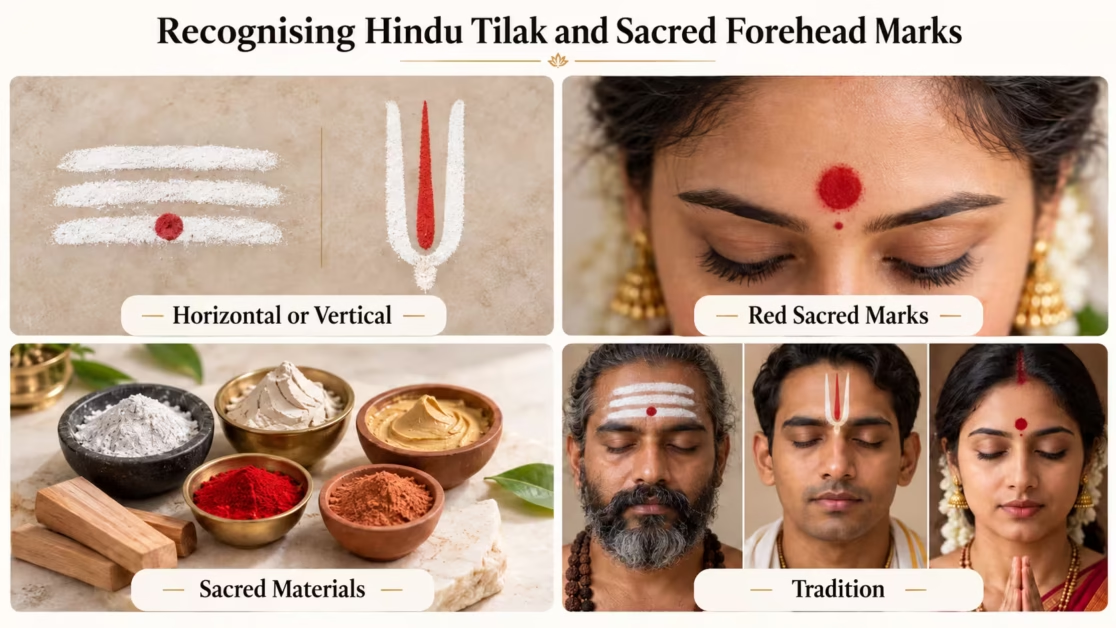
A Hindu tilak, whether Shaiva or Vaishnava, expresses devotion, lineage, and spiritual purpose. Its form and material may differ across traditions. Yet each mark reflects faith, surrender, and the devotee’s relationship with the divine.
FAQs: Hindu Tilak
Shaiva devotees of Shiva often wear Tripundra. Vaishnava devotees of Vishnu wear Urdhva Pundra. Kumkum is widely used in Shakta worship, while sandalwood tilak appears across several devotional traditions.
There is no single best tilak. The appropriate form depends on the deity, spiritual lineage, family tradition, temple practice, and personal faith. Its meaning comes from devotion and the tradition it represents.
For applying tilak to oneself, the ring finger is commonly used in many Hindu traditions. Traditionally, the right-hand ring finger, known as Anamika, is used when applying tilak to a deity.
Conclusion
The Hindu tilak is not merely a mark on the forehead. It can reveal the path a devotee follows and the deity they revere. The tradition behind the mark gives it meaning.
Shaiva, Vaishnava, and Shakta traditions express this through different forms and materials. Tripundra and Urdhva Pundra remain the most recognised, while priestly practices add their own variations and symbolism.
A bindi may look similar, but its role can be different. During my visits to temple towns and through rituals I have witnessed over the years, these marks have never felt ornamental. They remain part of how belief is recognised, practised, and passed from one generation to the next.
With a mission to educate and inform, we connect lived experience with deeper cultural understanding. Read more from our Mindfulness collection and continue exploring the meanings behind sacred symbols, rituals, and spiritual traditions. At TrendVisionz, belief, ritual, and meaning come together.
Additional Resources:
- Stoker, V. (2011). Polemics and patronage in sixteenth-century Vijayanagara: Vyāsatīrtha and the dynamics of Hindu sectarian relations. History of Religions, 51(2), 129–155. https://doi.org/10.1086/660929 ↩︎
- Antony, M. G. (2010). On the spot: Seeking acceptance and expressing resistance through the bindi. Journal of International and Intercultural Communication, 3(4), 346–368. ↩︎
- Fisher, E. (2015). Public philology: text criticism and the sectarianization of Hinduism in early modern south India. South Asian History and Culture, 6(1), 50–69. https://doi.org/10.1080/19472498.2014.969010 ↩︎
- Manasicha Akepiyapornchai, Marking Identity: The Debate on the Śrīvaiṣṇavas’ Forehead Marks, The Journal of Hindu Studies, Volume 16, Issue 2, August 2023, Pages 206–231, ↩︎
About Anuj Mahajan
Anuj Mahajan is a media entrepreneur, author, filmmaker, and COO of Nuteq Entertainment. With more than 32 years of experience across media, communication, leadership, and business growth, he writes about communication architecture, human behaviour, leadership, mindfulness, business transformation, and decision-making.
He is the Co-Founder of TrendVisionZ, author of three books, creator of the StoryforBusiness podcast, and publisher of the Transforming Lives newsletter.
Explore the Ecosystem
- Explore my work: Nuteq Entertainment | TrendVisionz | Author Profile
- Read my newsletters: Transforming Lives | BizTech Chronicle | Nuteq Newsline
- Guest writer: BizCatalyst360 | Praja Today
- Books: Go Mindfulness: Practices for Professionals Coached
- Join the community: LinkedIn Group – Digital Marketing & Content Creation World
- Connect with me: LinkedIn | Twitter | #StoryforBusiness
- Share your review: Leave your review on Google — your feedback helps us grow.
- Listen on Spotify: Leadership Podcast | Guided NLP (7 Episodes) | Daily Motivation – 21 Episodes
Believe. Practice. Perform.


